Nuloom Outdoor Rugs
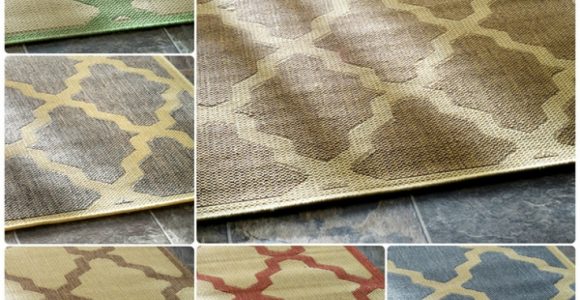



Nuloom Outdoor Rugs with pictures released for to offer the concepts to influence enhancing your home. This post of Nuloom Outdoor Rugs have of our collection pictures as well as gallery for embe...
Nuloom Outdoor Rugs with pictures released for to offer the concepts to influence enhancing your home. This post of Nuloom Outdoor Rugs have of our collection pictures as well as gallery for embe...
A portable gazebo can turn a dusty campsite, sports ground or weekend gathering into a comfortable base. It provides shade from intense Australian sun, shelter from sudden showers and a defined place for cooking, eating, storing gear and socialising. The best model depends on how often it will be moved, how many people it must cover and whether it needs to fit inside a family car.
Camping gazebos range from lightweight pop-up shelters to larger steel-frame marquees with removable walls. A compact 2.4-metre square model may be ideal for a couple travelling to the coast, while a 3-by-6-metre shelter is better suited to a large group, a caravan site or a pre-game gathering. Packed size and weight matter just as much as the roof dimensions.
Australian conditions make construction especially important. A gazebo used in Brisbane may need to cope with humid storms, while one taken to Perth or Adelaide will face strong sun, dry ground and gusty weather. In Melbourne, a clear morning can quickly become cool and wet, so removable side panels add useful flexibility.
This guide focuses on the features that make a portable outdoor shelter practical for camping and tailgating. It covers frame materials, fabrics, setup, anchoring, ventilation, transport and local rules, followed by a comparison of popular gazebo styles for different budgets and uses.
The familiar 3-by-3-metre gazebo is the most versatile choice for Australian households. It fits a folding table, a few chairs, an esky and basic cooking equipment without taking up excessive space. It is also easier to pitch on a small campsite or beside a suburban driveway before a barbecue.
A 2.4-by-2.4-metre shelter is lighter and quicker to transport, making it suitable for two people, day trips and compact hatchbacks. Larger 3-by-4.5-metre or 3-by-6-metre shelters create room for several tables and chairs, but they require more people to erect safely and need stronger anchoring.
A square roof is simple to arrange, while a rectangular gazebo often works better alongside a vehicle or caravan. Before buying, measure the packed bag, boot opening and available storage area. Some tall wheeled bags fit easily in a ute but are awkward in a small SUV.
Powder-coated steel frames offer strength and stability at a relatively affordable price. They are a dependable option for frequent family camping, though they are heavier than aluminium and should be dried before storage to prevent corrosion. Steel is particularly useful for larger shelters with side walls, awnings or several occupants.
Aluminium frames are easier to lift and carry, making them appealing for solo campers and regular tailgaters. They resist rust, but lightweight sections can bend if the shelter is dragged, overloaded or left exposed in strong wind. Look for reinforced joints, solid locking buttons and feet that accept pegs or tie-down straps.
The roof should have a dense polyester or oxford fabric with a reliable water-resistant coating and strong ultraviolet protection. A silver or reflective underside can reduce heat beneath the canopy. However, no pop-up gazebo should be treated as a permanent wet-weather shelter: water can collect in the roof, and seams may leak during prolonged rain.
A scissor-frame pop-up gazebo is usually the fastest option for tailgating. Two people can extend the frame, attach the canopy and adjust the legs in a few minutes. Thumb-safe sliders and clearly marked height settings reduce pinched fingers and make repeated setup less frustrating.
Traditional pole shelters can be lighter and more compact, but they involve more separate parts and often take longer to assemble. They may suit hikers or campers who prioritise low weight over convenience. For a family travelling with children, a quick-erect frame generally offers a better balance between comfort and effort.
Check whether the package includes a wheeled carry bag, guy ropes, pegs and wall panels. Replacement parts are valuable because connectors, ropes and canopy clips are often the first items to disappear or wear out. Australian retailers such as Bunnings, Anaconda, Tentworld and specialist camping stores commonly carry different frame sizes, so compare packed dimensions rather than relying on photographs.
A gazebo is only as dependable as its anchoring system. The included thin pegs may work on firm grass in calm conditions, but sandy coastal campsites and hard ground call for stronger alternatives. Use long heavy-duty pegs, sand anchors, rated straps or filled weight bags, and attach guy ropes to every available corner.
Never leave a gazebo unattended during a storm. Lowering the roof or removing the canopy can prevent a sudden gust from turning the frame into a dangerous airborne object. Side walls catch wind, so use them selectively and keep openings positioned to encourage airflow.
Ventilation is equally important in hot weather. Mesh windows, high vents and partially open walls help release trapped heat. In places such as the Gold Coast or northern New South Wales, a fully enclosed shelter can become uncomfortable quickly when humidity rises. A pale roof, generous clearance and shade from nearby trees can improve conditions without blocking breezes.
Removable walls transform an open canopy into a more private room for changing clothes, storing bags or protecting children from sideways rain. Half walls are often more useful than a complete enclosure because they block low sun while preserving airflow and visibility. A zippered door also helps keep cooking equipment and personal items secure when people move away briefly.
For a campsite, arrange the gazebo so that the open side faces a pleasant view and the closed side shields the sleeping area or kitchen. At home, a portable shelter can support a temporary entertaining zone beside a pool, patio or driveway. Ideas for combining screening elements are covered in this guide to privacy fences and hedges, which can also inspire a more permanent outdoor layout.
Lighting, flooring and furniture deserve attention. A rechargeable lantern, battery-powered strip light and non-slip outdoor mat make evening use safer. Avoid placing hot burners directly beneath the canopy fabric, and keep fuel, flames and cooking surfaces well away from walls.
Local restrictions can affect where and how a gazebo is used. Council requirements vary, and a large or semi-permanent structure at home may need approval, particularly if it remains in place or is close to a boundary. Check the relevant council before using a large shelter for a long-running event or front-yard gathering.
Camping areas also have their own rules. National parks and reserves may restrict open flames, generators, vehicle access and the size of temporary structures. Total fire bans can prohibit certain cooking equipment, even when a gazebo itself is permitted. Always check fire restrictions for the state or territory and the specific campsite before departure.
At a sporting venue, tailgating may be limited to designated areas, with rules covering vehicle access, alcohol, cooking and temporary shade structures. Australian Rules football, cricket and motorsport events can have different policies, so review venue information before packing a large shelter. UV exposure is another everyday concern, especially during long summer events in Sydney, Canberra or regional areas; shade should complement sunscreen, hats and regular breaks rather than replace them.
Allow the canopy to dry completely before packing it away. Folding wet fabric encourages mildew and can leave a stale smell that is difficult to remove. Brush off sand and soil, rinse salt spray with clean water and inspect the stitching, webbing, frame joints and guy lines after each trip.
Use mild soapy water rather than bleach or harsh solvents, which can damage waterproof coatings. If the shelter is used around a patio or entertaining area, understanding the difference between patio sealers can help when coordinating the gazebo with a sealed hard surface. Keep the folded canopy in a dry, ventilated cupboard rather than a hot car or damp shed.
Replace bent legs, cracked hubs and frayed ropes promptly. Do not force a jammed frame open, as this can damage the joints and create a safety risk at the next gathering. A small repair kit containing spare pegs, cord, clips and duct tape is worthwhile for longer camping trips.
The best choice depends on whether convenience, low weight, capacity or weather resistance matters most. The following comparison covers common options available through the Australian camping and outdoor market; exact specifications vary between brands and model years.
| Gazebo style | Typical size | Main strengths | Best suited to | Important limitation |
|---|---|---|---|---|
| Lightweight aluminium pop-up | 2.4 x 2.4 m or 3 x 3 m | Easy to carry, quick setup, rust resistant | Couples, day trips, solo tailgating | Less robust in strong wind |
| Steel-frame pop-up | 3 x 3 m | Stable, affordable, broad accessory range | Family camping and regular backyard use | Heavier and needs drying after rain |
| Heavy-duty commercial-style | 3 x 3 m or 3 x 6 m | Strong joints, better walls and anchoring options | Large groups, clubs and frequent events | Bulky packed size and higher cost |
| Pole-style camping shelter | Varies | Compact, light and suitable for touring | Backpacking or weight-conscious travellers | Slower, less convenient assembly |
| Gazebo with full enclosure | 3 x 3 m or larger | Privacy, insect protection and rain coverage | Extended camps and changing areas | Warmer inside and more affected by wind |
For most Australian families, a steel or reinforced aluminium 3-by-3-metre pop-up gazebo is the sensible middle ground. It offers enough space for a table and chairs, packs into a manageable wheeled bag and accepts walls, mesh panels and awnings. Choose a lightweight model when every kilogram matters, and step up to a heavy-duty frame when the shelter will be used often or shared by a large group.
A dependable portable gazebo makes camping, sport and outdoor entertaining more comfortable without committing to a permanent structure. Measure your transport space, inspect the frame and canopy quality, confirm local rules, and budget for stronger anchors than the basic package may provide. Select a model suited to your typical weather and group size, then maintain it carefully so it remains ready for the next weekend away or tailgate gathering.
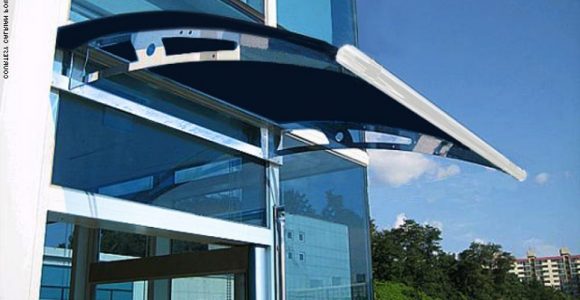
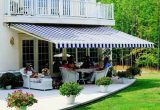
Awning definition, What is an awning? An awning is a cover made from canvas to sanctuary individuals or things from rain or sunlight, usually one will certainly use words awning about a roof-l...
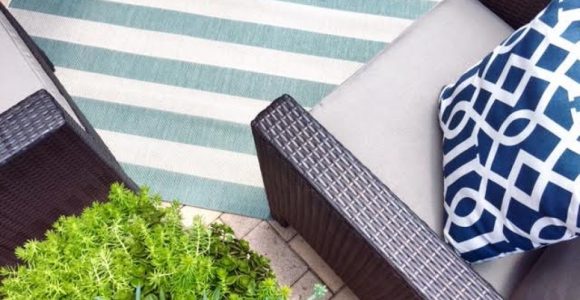


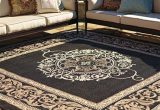
Frontgate outdoor rugs. These days embellishing does not have to be regarding custom-made, it could be regarding where to discover it currently and also exactly how to make it function for you. T...

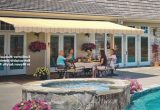
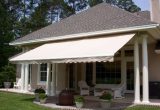


Retractable awning prices is influenced in various other means, too. On-line assemblers bill delivery costs, however this is more than balanced out by the reality they don't charge sales tax (bes...

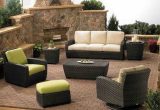
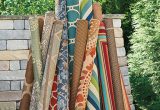
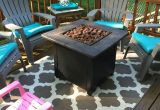
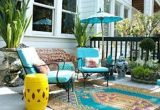
bed bath and beyond outdoor rugs (additionally called location rugs) not just include to the appearance of a space, yet likewise develop a setting including form, shade, and structure. Residence ...