Nuloom Outdoor Rugs
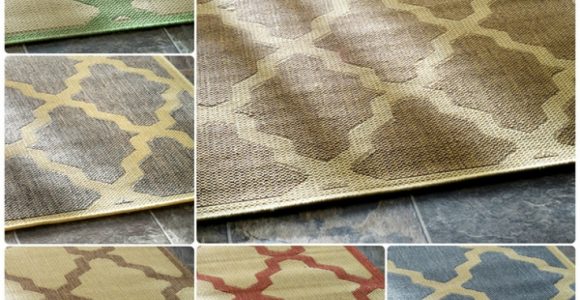



Nuloom Outdoor Rugs with pictures released for to offer the concepts to influence enhancing your home. This post of Nuloom Outdoor Rugs have of our collection pictures as well as gallery for embe...
Nuloom Outdoor Rugs with pictures released for to offer the concepts to influence enhancing your home. This post of Nuloom Outdoor Rugs have of our collection pictures as well as gallery for embe...
A private garden can feel like an extra room: sheltered enough for quiet mornings, meals with friends, or an afternoon spent reading outdoors. The most effective designs rarely depend on one solid barrier. Instead, they combine fencing, planting, and vertical garden features to soften views, reduce noise, and create a more attractive boundary.
Privacy landscaping also needs to suit the shape of the property. A narrow side garden may benefit from climbers on a trellis, while a large suburban yard could accommodate layered hedges, ornamental trees, and a timber fence. By considering height, materials, maintenance, and sunlight together, you can build screening that feels intentional rather than enclosed.
The right details make a significant difference to comfort. Paving, outdoor seating, lighting, and weather-resistant accessories can turn a screened area into a welcoming retreat. Design inspiration from French Creative Connection can help connect privacy improvements with the wider style of your home and garden.
Before choosing materials, identify exactly what needs screening. A neighboring window may require a tall, concentrated solution, while an exposed patio might need privacy along two sides. Mark the sightlines from seating areas, kitchen windows, and the most frequently used paths. This prevents unnecessary construction and helps preserve valuable daylight.
Think about the type of privacy you want. Visual screening can come from dense foliage, slatted panels, or a combination of both. If traffic noise is the concern, a close-fitting fence backed by shrubs will usually perform better than a lightweight trellis alone. For a more relaxed garden atmosphere, partial screening may be preferable to a completely sealed boundary.
Scale is equally important. A very tall fence can make a small garden feel narrow, especially when it meets a wall or neighboring structure. A lower fence with layered planting may provide enough seclusion while keeping the garden open above eye level. Curved beds, staggered panels, and changes in planting height can also make the space feel more spacious.
Fences provide the structural foundation of a private outdoor area. Timber is a popular choice because it suits traditional and contemporary homes, can be painted or stained, and works well with climbing plants. Horizontal boards create a modern appearance, while vertical boards emphasize height and often feel more familiar in residential gardens.
Slatted fencing is useful when you want privacy without blocking every ray of light. The spacing between boards can be adjusted according to the viewing angle, and the open pattern allows air to move through the boundary. Solid panels offer stronger screening, although they should be installed securely and checked for wind exposure, particularly in exposed yards.
Composite fencing requires less frequent finishing than natural timber and is available in several colors and textures. Metal screens can provide a lighter, more decorative alternative, especially when laser-cut patterns or geometric forms are used. Whichever material you choose, coordinate it with gates, paving, garden furniture, and the exterior finishes of the house.
A fence does not have to run in one uninterrupted line. Short sections can frame planting beds, define a dining zone, or conceal bins and utility areas. Breaking up a long boundary with posts, raised planters, or a change in panel style creates visual interest while maintaining a coherent privacy scheme.
Hedges bring movement, texture, and seasonal change to a fence line. Evergreen varieties such as yew, holly, cherry laurel, and Portuguese laurel can provide year-round screening, while deciduous options such as hornbeam offer attractive foliage and winter structure. Select species according to soil conditions, available space, and the amount of trimming you are prepared to do.
The mature width of a hedge matters as much as its eventual height. A plant that looks compact in a nursery pot may need considerable room after several years. Narrow-growing varieties are better for side passages, while broad shrubs can work well behind a spacious patio. Planting too close to a fence can create crowding, poor airflow, and difficult access for maintenance.
Mixed planting gives a more natural appearance than a single row of identical shrubs. Combine evergreen structure with flowering plants, grasses, or small ornamental trees to create a layered garden screen. This approach can support pollinators and wildlife while avoiding the rigid look sometimes associated with formal boundaries.
Allow new hedges time to establish. Mulch the root area, water consistently during dry periods, and prune according to the species rather than cutting everything at the same time. A healthy, well-shaped hedge will screen more effectively and remain attractive through changing seasons.
Trellises are particularly useful where floor space is limited. Fixed against a wall or positioned just inside a fence, they create a vertical layer without requiring the footprint of a mature hedge. A series of narrow panels can screen a balcony, patio edge, or overlooked seating area while leaving room for circulation below.
Choose climbers that match the light conditions. Star jasmine and evergreen honeysuckle are suitable for many sunny positions, while climbing hydrangea can perform well in partial shade once established. Roses, clematis, and wisteria add flowers, but their support and pruning requirements vary. Check the mature size and attachment method before planting near walls, gutters, or fragile structures.
Freestanding trellises can divide an outdoor room into smaller zones. Place one behind a bench to create a secluded nook, or use paired panels to frame a pathway. Pergolas and arbors offer another option, providing overhead screening when climbers are trained across the top. These structures can also support lighting and create a stronger connection between the house and garden.
Give climbers suitable support from the beginning. Some plants twine around wires, while others need ties or a framework with horizontal and vertical lines. A trellis that is strong enough for the plant at maturity will prevent repairs later and keep the screening evenly distributed.
Privacy features perform differently according to their construction, growth rate, and care requirements. The best choice depends on whether your priority is immediate screening, long-term greenery, minimal maintenance, or a softer visual effect.
| Feature | Best Use | Main Benefits | Points To Consider |
|---|---|---|---|
| Solid timber fence | Strong visual privacy and noise reduction | Immediate coverage, adaptable finishes, reliable structure | Needs staining or painting and careful post installation |
| Slatted fence | Modern boundaries and filtered light | Airflow, contemporary appearance, adjustable privacy | Gaps may reveal views from certain angles |
| Evergreen hedge | Year-round natural screening | Soft texture, wildlife value, living boundary | Takes time to establish and requires regular trimming |
| Deciduous hedge | Seasonal structure and wildlife-friendly gardens | Attractive foliage, flowers, and winter form | Privacy may reduce after leaves fall |
| Trellis with climbers | Narrow gardens and decorative screening | Adds height with a small footprint, supports flowers | Plants need training, watering, and suitable support |
| Composite or metal screen | Low-maintenance contemporary designs | Durable, consistent appearance, many style options | Can cost more and may feel visually hard without planting |
For a balanced scheme, combine two or three of these features rather than expecting one element to solve every problem. A slatted fence backed by an evergreen hedge can filter views while retaining airflow. A solid panel with a decorative trellis above it can provide immediate screening and room for climbing plants to develop.
Privacy improvements should also fit the way you use the space. If the garden includes an outdoor dining area, consider how close the boundary is to chairs and tables, and whether people will need clear access around it. You can then add comfort-focused details such as a covered seating area, practical lighting, or a durable rug. For guidance on selecting one for a busy patio, this outdoor rug guide offers useful material and placement considerations.
A private garden works best when screening is integrated into the overall layout. Position the most enclosed seating zone where it receives pleasant morning or afternoon light, and avoid placing tall barriers directly in front of the windows that serve the room most often. A carefully chosen angle can conceal a neighboring property without making your own home feel dark.
Use planting to connect hard surfaces with the garden boundary. Raised beds beside a fence can introduce height gradually, while containers filled with bamboo, grasses, or evergreen shrubs provide flexible screening for patios and rented properties. Make sure containers are heavy enough to remain stable in strong wind and include adequate drainage.
Color can make privacy features feel lighter. Pale timber, warm brick, green foliage, and natural stone tend to blend into residential landscapes. Dark painted fences can recede behind planting, while a bold trellis color may work as a focal point. Repeating one finish in gates, planters, and furniture creates visual continuity.
Maintenance access should be planned from the outset. Leave enough room to trim hedges, wash panels, repair trellis supports, and clear leaves from drainage areas. If a boundary is difficult to reach, even an attractive design can become a burden. A simple path or removable panel may save considerable effort over time.
A phased approach makes landscaping more manageable and helps control costs. Install the structural boundary first, then add soil improvements, hedging, climbers, and decorative details. This order protects young plants from accidental damage and gives you a stable framework for future changes.
Useful priorities include:
Allow for growth rather than filling every gap immediately. Young plants may leave temporary openings, but overcrowding them can lead to weak growth and expensive removal later. Annual climbers or movable screens can provide short-term coverage while permanent hedges mature.
Lighting can extend the usefulness of a private garden after dark. Low-level path lights, wall-mounted fixtures, and warm illumination within planting beds create atmosphere without drawing attention to the boundary. Avoid bright lights aimed outward, as they can cause glare for neighbors and reduce the sense of calm within your own space.
Successful privacy landscaping is less about building the highest barrier and more about shaping comfortable layers around the areas that matter. Fences provide structure, hedges bring softness and seasonal character, and trellises add vertical interest where space is limited. Together, they can protect a patio or garden from unwanted views while keeping the setting welcoming.
Begin with the clearest sightline, choose materials that complement the house, and introduce greenery at a pace the garden can support. With thoughtful planting, durable construction, and comfortable outdoor furnishings, your boundary can become part of the design rather than an afterthought. Start planning the screening around your most-used outdoor area and turn it into a private place you will enjoy throughout the year.
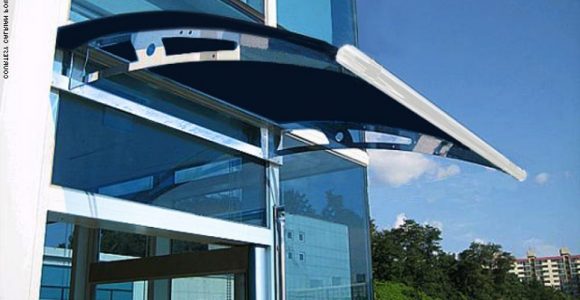
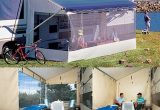
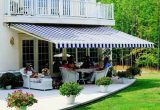
Awning definition, What is an awning? An awning is a cover made from canvas to sanctuary individuals or things from rain or sunlight, usually one will certainly use words awning about a roof-l...
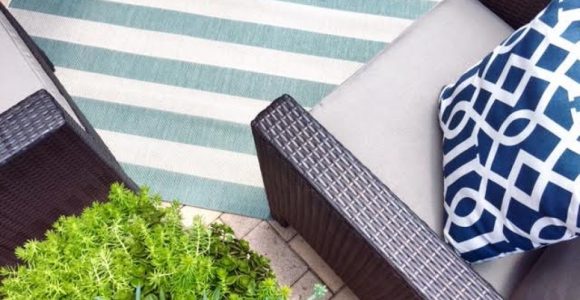


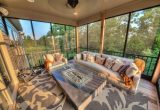
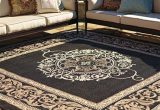
Frontgate outdoor rugs. These days embellishing does not have to be regarding custom-made, it could be regarding where to discover it currently and also exactly how to make it function for you. T...

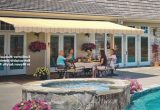
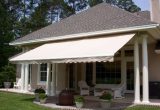


Retractable awning prices is influenced in various other means, too. On-line assemblers bill delivery costs, however this is more than balanced out by the reality they don't charge sales tax (bes...

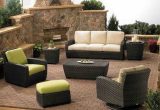

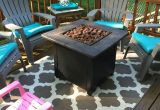
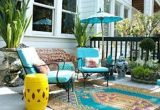
bed bath and beyond outdoor rugs (additionally called location rugs) not just include to the appearance of a space, yet likewise develop a setting including form, shade, and structure. Residence ...