Nuloom Outdoor Rugs
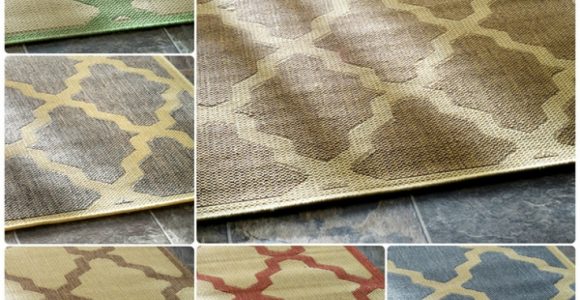


Nuloom Outdoor Rugs with pictures released for to offer the concepts to influence enhancing your home. This post of Nuloom Outdoor Rugs have of our collection pictures as well as gallery for embe...
Nuloom Outdoor Rugs with pictures released for to offer the concepts to influence enhancing your home. This post of Nuloom Outdoor Rugs have of our collection pictures as well as gallery for embe...
A patio sealer protects paving from water, stains, fading, surface dust, and the gradual wear caused by foot traffic and outdoor furniture. Yet the product that performs well during a mild summer afternoon may struggle when applied during a cold, damp spell. Temperature affects drying, curing, adhesion, and the final appearance of the sealed surface.
Cold-weather and warm-weather patio sealers are designed around different application conditions. Some formulas remain workable at lower temperatures, while others need warmth and dry air to form a strong, even film. Selecting the right option helps prevent cloudiness, peeling, tackiness, and premature wear.
The paving material matters as well. Concrete, natural stone, clay pavers, porcelain, and decorative aggregate absorb coatings differently. A successful project therefore depends on matching the sealer chemistry with the patio surface, the season, and the level of exposure your outdoor living area receives.
Most patio sealers contain water, solvents, resins, or a combination of these ingredients. After application, the carrier evaporates and the resin bonds with the surface or forms a protective layer over it. Temperature influences how quickly that process happens, while humidity and airflow determine whether moisture can escape efficiently.
When conditions are too cold, a water-based coating may dry slowly and remain vulnerable to dust, rain, and accidental footprints. Solvent-based products can also become thicker and harder to spread. In either case, the coating may fail to level properly, leaving roller marks, lap lines, or a hazy finish.
Excessive heat creates a different set of problems. A sealer can skin over before it has spread evenly, especially on sun-warmed paving. This may trap moisture below the surface and produce bubbles or a milky appearance. For that reason, the temperature of the patio itself is often more important than the air temperature shown on a weather app.
Cold-weather patio sealers are formulated to cure in cooler conditions, although they still require a suitable minimum temperature. Many are breathable acrylics or specially modified water-based coatings that tolerate slower evaporation without losing adhesion. They can be useful for autumn repairs, early spring projects, and regions where warm days are brief.
A lower-temperature formula does not make damp weather acceptable. The paving must be dry, and the forecast should provide enough time for the coating to set before dew, frost, or rain arrives. If water freezes inside the pores of concrete or masonry, it can interfere with bonding and contribute to flaking later.
Application usually requires thinner coats and careful spreading. Thick layers trap moisture and take substantially longer to cure. It is also wise to keep the sealed patio free from furniture, pets, and foot traffic for the full period specified by the manufacturer, even if the surface feels dry to the touch.
Cold-weather products may offer a slightly slower return to service, but they are often the safer choice when postponing the work would leave porous paving exposed through a wet season. Look for clear temperature ranges, recoat times, and moisture requirements on the technical data sheet rather than relying only on general product descriptions.
Warm-weather patio sealers are intended for conditions in which the air and paving are comfortably above the product’s minimum application temperature. Acrylic, polyurethane, epoxy, and solvent-based coatings often cure efficiently in warm, reasonably dry weather. Their rapid set can be helpful when a patio needs to return to use quickly.
The main risk is applying them during the hottest part of the day. Direct sunlight can heat dark pavers far beyond the surrounding air, causing the sealer to flash off too quickly. Work may become difficult before the coating has flowed into pores and settled into a consistent film. Early morning or late afternoon is usually more manageable, provided the surface is completely dry.
Warm weather also increases the importance of working in sections. Keep a wet edge between adjoining areas, avoid stopping in the middle of a slab, and do not pour more material than can be spread within its working time. Good ventilation is essential for solvent-based formulas, particularly beside walls, covered patios, and enclosed garden rooms.
A warm-weather sealer may produce a richer color enhancement or glossier finish, but appearance should not be the only selection criterion. A high-sheen coating can reveal surface imperfections and become slippery when wet if it lacks an appropriate slip-resistant additive. For frequently used patios, practical traction is more important than dramatic gloss.
The distinction between cold and warm application products is not always absolute. Some all-season sealers cover a broad temperature range, while specialist coatings may be designed for a narrow set of conditions. Always compare the manufacturer’s minimum and maximum limits with the forecast, surface temperature, humidity, and overnight conditions.
| Factor | Cold-weather sealer | Warm-weather sealer |
|---|---|---|
| Best application period | Cool autumn or spring conditions | Mild to warm, dry weather |
| Main formulation priority | Reliable adhesion and curing at lower temperatures | Fast drying and efficient film formation |
| Common concern | Slow cure, moisture retention, frost exposure | Flash drying, lap marks, trapped moisture |
| Ideal working method | Thin coats with extended protection time | Small sections with a continuous wet edge |
| Surface requirement | Dry, frost-free, and above the stated minimum | Cool enough to prevent premature skinning |
| Typical finish | Natural to satin, depending on formula | Satin to gloss, depending on resin |
| Weather planning | Protect from dew, rain, and freezing nights | Avoid peak sun, high surface heat, and strong wind |
This comparison is a starting point rather than a substitute for the product label. Two sealers described as “acrylic” can have very different solvent systems and curing requirements. The technical sheet should take priority over assumptions based on the product category.
Preparation often determines whether a sealer lasts for several seasons or begins to fail within a few months. Remove soil, algae, grease, old coating residue, and efflorescence with a cleaner suited to the paving material. Pressure washing can help, but excessive pressure may erode mortar joints, expose aggregate, or drive water deeper into porous concrete.
Allow the patio to dry thoroughly. A surface can appear dry while retaining moisture inside its pores, especially after cleaning or several overcast days. A simple plastic-sheet test can reveal hidden dampness: tape clear plastic tightly to the paving for several hours and check for condensation or darkening underneath.
Repair cracks and unstable joints before sealing. The coating may improve color and stain resistance, but it will not stabilize loose pavers or bridge significant movement. If the patio has been recently installed, wait for the curing period recommended for the concrete, mortar, or jointing compound.
Before covering the full area, test the sealer in an inconspicuous corner. Check adhesion, color change, sheen, and slip characteristics after the product has fully cured. This is particularly important for natural stone, where an enhancing sealer can deepen the color more than expected.
Concrete patios generally accept penetrating sealers, acrylic films, and other protective coatings, but the best option depends on porosity and the desired finish. A penetrating silane or siloxane treatment can reduce water absorption without creating a strong visible film, while an acrylic may provide color enhancement and easier maintenance.
Natural stone requires more caution. Limestone, sandstone, and slate can be sensitive to solvent strength, staining, and uneven absorption. A breathable impregnating sealer is often preferable where preserving the stone’s natural appearance matters. Dense granite and some manufactured stones may need a product specifically rated for low-absorption surfaces.
Clay pavers and brick can benefit from breathable protection because moisture movement is part of their normal behavior. A coating that traps water may lead to whitening, peeling, or frost-related damage. Porcelain paving usually has very low absorption, so many ordinary masonry sealers will not bond effectively; use a product explicitly approved for porcelain if protection is required.
The surrounding landscape should influence the visual result too. A glossy coating can compete with planting beds, while a matte or natural-finish product may complement textured borders and ornamental grasses that add movement around a patio. Consider how the sealed surface will look beside fencing, paving patterns, furniture, and garden lighting.
Choosing by season alone can lead to mistakes. Review the complete project conditions, including the patio’s material, drainage, exposure, expected foot traffic, and whether the finish needs to be decorative or nearly invisible.
A sealer should also suit the way the space is used. Around a dining area, stain resistance and easy cleaning may be priorities. Beside a pool or outdoor shower, moisture management and slip resistance deserve greater attention. On a shaded patio, breathability and resistance to mildew may matter more than rapid drying.
Curing continues after a coating has dried to the touch. Keep heavy furniture, grills, planters, and vehicles off the surface until the recommended cure time has passed. In cold weather, this period may be longer than the label’s standard estimate, particularly when nighttime temperatures fall sharply.
Routine maintenance extends the life of the finish. Sweep away grit, clean spills before they penetrate, and use a mild cleaner rather than harsh solvents or abrasive pads. Watch for areas that become dull, absorb water quickly, or show patchy color; these signs may indicate that a maintenance coat is due.
Avoid resealing simply because the patio looks slightly faded. Applying a new layer over a poorly bonded or incompatible old coating can cause peeling. Clean the surface, identify the existing sealer if possible, and perform an adhesion test before adding another product. In some cases, stripping or mechanically preparing the old finish is the more durable solution.
The best timing is a dry period with moderate temperatures, limited direct sun, and stable overnight conditions. By matching the coating to the weather and the paving, you can protect the patio while preserving a comfortable, attractive setting for outdoor living.
Check the label and technical data sheet before purchasing, then schedule preparation and application around a dependable weather window. Choose the compatible sealer, test it discreetly, and give the finished patio enough time to cure before bringing furniture and everyday activity back into the space.
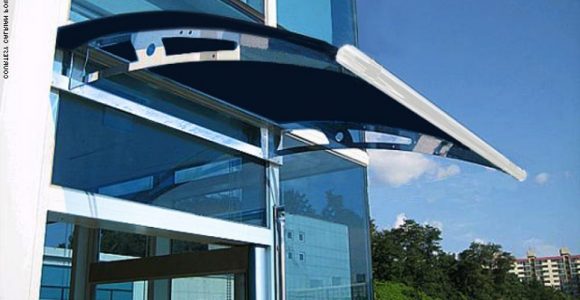

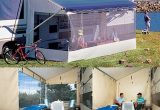
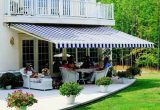
Awning definition, What is an awning? An awning is a cover made from canvas to sanctuary individuals or things from rain or sunlight, usually one will certainly use words awning about a roof-l...
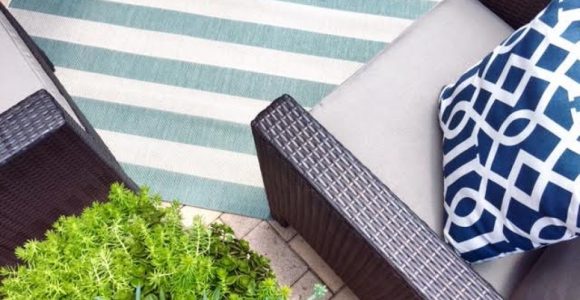



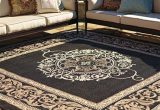
Frontgate outdoor rugs. These days embellishing does not have to be regarding custom-made, it could be regarding where to discover it currently and also exactly how to make it function for you. T...

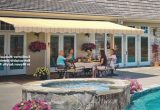
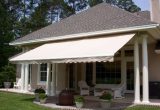


Retractable awning prices is influenced in various other means, too. On-line assemblers bill delivery costs, however this is more than balanced out by the reality they don't charge sales tax (bes...

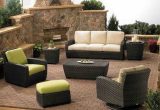
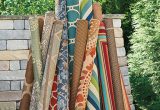
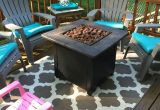

bed bath and beyond outdoor rugs (additionally called location rugs) not just include to the appearance of a space, yet likewise develop a setting including form, shade, and structure. Residence ...