Nuloom Outdoor Rugs
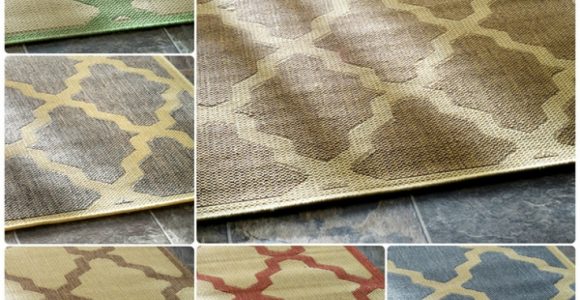



Nuloom Outdoor Rugs with pictures released for to offer the concepts to influence enhancing your home. This post of Nuloom Outdoor Rugs have of our collection pictures as well as gallery for embe...
Nuloom Outdoor Rugs with pictures released for to offer the concepts to influence enhancing your home. This post of Nuloom Outdoor Rugs have of our collection pictures as well as gallery for embe...
Landscape fabric under mulch can make a garden bed look tidy and reduce the time spent pulling weeds. It is especially appealing for pathways, decorative borders and newly planted areas where bare soil quickly becomes overrun with grass or persistent weeds. Yet the material is not a universal solution, and its performance depends on the fabric type, mulch depth, soil condition and planting style.
Australian gardens add several considerations. Strong ultraviolet exposure can break down cheaper products, summer watering restrictions make soil moisture important, and heavy rain can expose fabric on sloping blocks. Whether you are refreshing a suburban garden in Melbourne, landscaping a Sydney courtyard or improving a dry garden in Adelaide, the right installation matters as much as the product itself.
| Garden situation | Main advantage | Main concern | Suitable approach |
|---|---|---|---|
| Decorative shrub bed | Reduces annual weeds | Can restrict organic matter reaching soil | Use quality woven fabric with organic mulch |
| Gravel path or seating area | Separates aggregate from soil | May become visible at the edges | Secure firmly and overlap joins |
| Native or low-water garden | Limits early weed competition | Can interfere with natural self-seeding | Use selectively around established plants |
| Vegetable or herb bed | Short-term weed suppression | Makes replanting and soil improvement harder | Prefer biodegradable mulch or hand cultivation |
| Sloping garden | Helps stabilise the surface | Water may run over the fabric | Combine with edging, pins and erosion control |
Landscape fabric is a permeable sheet laid over prepared soil before mulch, gravel or decorative stone. Woven polypropylene products are generally stronger and allow water and air to pass through, while spun-bond or non-woven fabrics offer a smoother barrier but may be less durable under foot traffic. Some products are sold as weed mat, garden fabric or geotextile cloth.
The material blocks light, making it difficult for many weed seeds to germinate. It does not kill established perennial weeds beneath it, however. Kikuyu, couch grass, oxalis and other persistent weeds can push through small openings, seams or gaps around plants. If the bed is not cleared first, the fabric can conceal a problem rather than solve it.
Fabric works best as part of a complete surface system. A generous mulch layer hides the sheet, protects it from sunlight and improves the visual finish. Without mulch, black material can look harsh in a residential garden and may become brittle after repeated exposure to Australian heat.
The most obvious benefit is reduced maintenance during the early stages of a garden makeover. A properly laid weed barrier can slow annual weeds while shrubs, hedges and ground covers establish. This is useful around new fencing, paved entertaining areas and garden borders where regular hand weeding would disturb young roots.
Landscape cloth also helps keep gravel and bark mulch separate from the soil. On a pathway, it can reduce the amount of aggregate pressed into mud, although it is not a replacement for a compacted base. Around a gazebo or outdoor seating area, fabric beneath decorative stone may create a cleaner edge and make occasional raking easier.
Another advantage is visual consistency. Mulch remains less likely to disappear into soft soil, and the bed can retain a finished appearance between planting seasons. Retailers such as Bunnings and independent landscape suppliers offer products in various widths, thicknesses and roll lengths, so homeowners can select a material suited to a small courtyard or a larger suburban block.
For design inspiration that connects planting, boundaries and outdoor living, French Creative ideas can help place a mulch-covered bed within a broader home improvement scheme.
The biggest weakness is that landscape fabric can interfere with soil improvement. Organic mulch gradually decomposes, but the sheet underneath prevents much of that material from mixing naturally into the topsoil. Gardeners may eventually find a thin, less active surface layer above compacted or depleted soil, particularly in beds that are rarely cultivated.
Earthworms and beneficial soil organisms can also have less freedom to move between the mulch and the ground. Water usually passes through permeable fabric, but fine particles may clog the weave over time. In heavy clay soils common in parts of Melbourne and regional Victoria, this can contribute to slow drainage and puddling after intense rain.
Weeds are not permanently eliminated. Dust, leaf litter and decomposed mulch collect on top of the fabric, creating a new growing medium for wind-blown seeds. Roots may become tangled through the material, making removal difficult when a shrub needs replacing. Cutting more holes to add plants can also create weak points where weeds emerge.
There is a practical disposal issue as well. Synthetic garden fabric eventually needs to be removed and discarded, and degraded pieces can fragment during excavation. In bushfire-prone regions, garden design should also avoid relying on dry organic mulch immediately beside buildings; fabric does not make combustible mulch fire-safe.
Choose a woven, UV-stabilised product for a long-lasting ornamental bed, particularly in sunny areas. Check the weight, permeability and stated outdoor lifespan instead of choosing only by roll price. A lightweight sheet may be adequate beneath gravel in a protected courtyard, but it can tear around tree roots or lift in strong coastal winds.
The mulch should suit the planting and the local climate. Pine bark, hardwood chips, sugar cane mulch and composted garden material each create a different finish. Coarse bark generally lasts longer and looks structured around shrubs, while fine mulch breaks down quickly and may encourage a shallow layer of weeds on top of the cloth.
Colour and texture affect the overall design. Dark mulch can frame silver-leaved Australian natives, while pale gravel suits modern paving and rendered walls. In water-conscious gardens, avoid assuming that fabric alone will reduce irrigation. Plant selection, soil conditioning and a thick mulch layer have a greater influence on long-term moisture retention.
Fabric is less suitable for beds that change frequently. Vegetable gardens, annual displays and areas planted with spreading ground covers are easier to manage with compost, loose mulch and regular cultivation. A biodegradable weed mat may be a reasonable short-term option, although its breakdown rate varies with moisture, temperature and soil activity.
Begin by removing existing weeds, including as many roots and runners as possible. Level the soil, fill hollows and lightly compact loose areas. If the ground is dry, water it before laying the material so the bed settles naturally. Do not bury large stones, woody roots or sharp rubble beneath the sheet, as these can create tears.
Roll the fabric across the bed and overlap adjoining pieces by at least 150 millimetres. Hold it with landscape staples or pins at regular intervals, adding extra fixings around curves, corners and exposed edges. Cut small X-shaped openings for plants rather than large circles, then fold the flaps neatly around the stems. Keep the fabric away from direct contact with trunks and stems to prevent moisture and abrasion problems.
Install edging before spreading mulch where possible. Steel, recycled plastic, concrete or timber edging can keep the barrier concealed and stop mulch washing onto paths. Apply an even layer of mulch, commonly around 50 to 75 millimetres for decorative beds, while keeping it clear of trunks, fence posts and building walls.
Inspect the area after heavy rain and during hot weather. Repair exposed sections promptly, top up thinning mulch and remove weeds before their roots become embedded. In Sydney’s intense summer storms, a sloping bed may need contouring, planting, or other drainage measures rather than a simple sheet laid over the surface.
A thick layer of organic mulch without synthetic fabric is often the most flexible choice for established gardens. It suppresses light, moderates soil temperature and gradually contributes organic matter. The trade-off is that it needs topping up and will not stop every persistent grass or rhizome.
Dense planting is another effective weed-control strategy. Native ground covers, low shrubs and spreading perennials shade the soil once established, reducing open space for weeds. When selecting climbers for a boundary, ideas such as these evergreen fence climbers can create privacy and soften hard surfaces while supporting a more integrated landscape design.
Cardboard beneath mulch can suppress weeds during a garden conversion, especially when several layers are overlapped and fully wetted. It breaks down over time and is easier to cultivate through later. It should be free from plastic coatings, glossy finishes and excessive ink, and it is best viewed as a temporary treatment rather than a permanent barrier.
For paths and entertaining areas, a properly prepared base of compacted crushed rock may be more important than landscape fabric. Geotextile separation fabric can help where subsoil is soft or clay-heavy, but it should be selected for the engineering purpose rather than confused with a basic garden weed mat.
Landscape fabric under mulch is most valuable when it solves a specific problem, such as separating gravel from soil or reducing early weed pressure around permanent planting. It becomes less attractive when used across every garden bed, especially where soil health, seasonal planting and easy access are priorities.
Before buying a roll, consider how often the area will change, how much sunlight it receives and whether water already drains well. A carefully prepared bed with suitable plants, quality mulch and practical edging will usually provide a better long-term result than relying on a barrier alone. Explore more home, garden and outdoor living ideas through French Creative and turn your next landscape project into a considered part of the property.

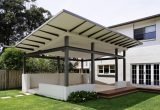


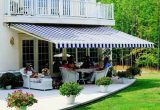
Awning definition, What is an awning? An awning is a cover made from canvas to sanctuary individuals or things from rain or sunlight, usually one will certainly use words awning about a roof-l...
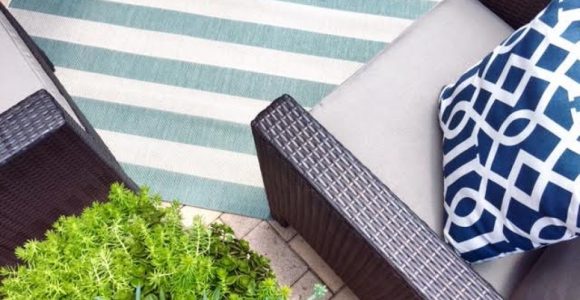



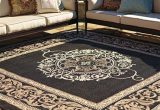
Frontgate outdoor rugs. These days embellishing does not have to be regarding custom-made, it could be regarding where to discover it currently and also exactly how to make it function for you. T...


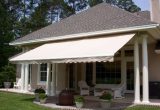


Retractable awning prices is influenced in various other means, too. On-line assemblers bill delivery costs, however this is more than balanced out by the reality they don't charge sales tax (bes...

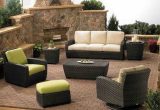
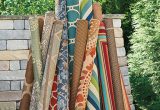
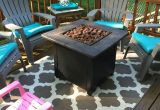

bed bath and beyond outdoor rugs (additionally called location rugs) not just include to the appearance of a space, yet likewise develop a setting including form, shade, and structure. Residence ...