Nuloom Outdoor Rugs
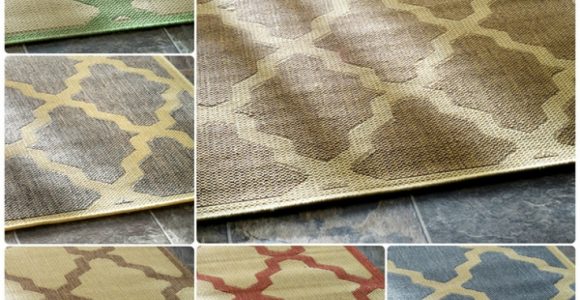



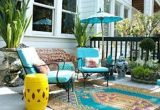
Nuloom Outdoor Rugs with pictures released for to offer the concepts to influence enhancing your home. This post of Nuloom Outdoor Rugs have of our collection pictures as well as gallery for embe...
Nuloom Outdoor Rugs with pictures released for to offer the concepts to influence enhancing your home. This post of Nuloom Outdoor Rugs have of our collection pictures as well as gallery for embe...
A bare fence can make a garden feel unfinished, especially when it borders a patio, seating area, or frequently used path. Evergreen climbers provide a practical way to soften hard boundaries while adding height, texture, privacy, and colour throughout the year. With the right support and planting position, they can turn an ordinary fence line into a living backdrop.
The best choice depends on sunlight, soil, winter temperatures, fence strength, and the amount of maintenance you are prepared to provide. Some climbers twine gently around trellis, while others cling to masonry or become heavy enough to require substantial support. Flowering period, mature spread, and pruning habits also matter when planning a comfortable outdoor living space.
This guide explores the top 10 evergreen climbers for fence line interest, including hardy choices for cooler gardens and tender varieties suited to sheltered courtyards. Used carefully, these plants can complement paving, garden furniture, awnings, and other exterior improvements without overwhelming the boundary.
Before buying a plant, inspect the fence and consider how much weight it can carry. A mature ivy or vigorous jasmine may become surprisingly heavy, particularly after rain or when supported by a wide trellis. Timber fencing often benefits from independent wires or a freestanding framework, while brick and concrete walls may need suitable fixings that do not damage the surface.
Sun exposure is equally important. South- and west-facing boundaries suit flowering climbers such as star jasmine, Chilean potato vine, and passion flower. North-facing fences are more suitable for ivy and certain forms of climbing euonymus. If the fence sits beside a patio, choose a plant with restrained roots and keep stems away from gutters, roof tiles, and drainage channels.
Evergreen does not always mean that a plant will look identical in every season. Some species hold glossy leaves year-round in mild climates but may lose a portion of their foliage during a harsh winter. Check the hardiness of each selection locally, particularly if the garden is exposed to cold winds or prolonged frost.
English ivy, Hedera helix, remains one of the most dependable options for a shaded fence. Its dense foliage creates excellent screening, and many cultivars offer variegated leaves in cream, silver, or gold. Ivy can cling directly to suitable masonry, but it is safer to train it across a trellis or wire system on a timber fence. Regular trimming keeps it from spreading into neighbouring plants or roof spaces.
Evergreen clematis, Clematis armandii, brings a lighter appearance than ivy, with long leaves and strongly scented white flowers in early spring. It prefers fertile, well-drained soil and a sheltered position with its roots shaded and upper growth exposed to sunlight. Because the stems become substantial over time, install a firm support before planting and guide new shoots gently rather than forcing them into place.
Henry’s honeysuckle, Lonicera henryi, is a useful choice for partial shade and offers narrow, dark green leaves with occasional tubular flowers. It is less showy than some summer-flowering climbers, but it forms a reliable leafy screen and responds well to pruning. It works particularly well beside informal planting, timber fencing, and natural stone paving.
Climbing euonymus, Euonymus fortunei, is a slower, tidier option for smaller boundaries. Cultivars such as ‘Emerald Gaiety’ and ‘Silver Queen’ have attractive variegated leaves that brighten darker corners. It can climb with support or spread as ground cover, making it useful where a fence meets a narrow border. Its modest growth makes it easier to control near windows and doors.
Star jasmine, Trachelospermum jasminoides, is one of the most attractive evergreen climbers for a warm, sheltered garden. Its polished leaves provide year-round structure, while fragrant white flowers appear in summer. It prefers full sun or light shade and needs protection from severe frost. On a sunny fence beside an outdoor dining area, its perfume can become part of the overall garden experience.
The Chilean potato vine, Solanum crispum, grows quickly and produces blue or violet flowers over a long summer period. In mild areas, it can remain evergreen or semi-evergreen, although cold weather may cause leaf loss. Give it a sturdy support and enough room to spread, then prune after flowering to maintain a manageable shape. Its rapid growth makes it useful for covering an unattractive fence in a relatively short time.
Blue passion flower, Passiflora caerulea, adds dramatic foliage and unusual flowers to a sheltered boundary. It is evergreen in mild regions and may lose leaves in colder conditions before recovering in spring. The curling tendrils attach readily to trellis and wires, but the plant needs guidance during its first growing season. This is a strong choice for a sunny courtyard where a bold tropical character is welcome.
Bower vine, Pandorea jasminoides, offers glossy leaves and trumpet-shaped flowers in pink or white. It is best suited to frost-free or protected gardens, such as warm south-facing walls, enclosed courtyards, and coastal locations. In cooler regions it can be grown in a large container and moved into shelter during winter, allowing it to decorate a fence without being exposed to severe cold.
Climbing fig, Ficus pumila, is an evergreen wall climber for mild climates. Its small leaves create a dense, textured surface, and mature plants can cover large areas. It clings strongly to rough masonry, so use a separate support if planting near painted render, delicate brickwork, or a timber boundary. Pruning is essential because established growth can become difficult to remove.
Pyracantha, or firethorn, is technically a shrub rather than a true climber, but it can be trained against a fence with horizontal wires. Its evergreen leaves, white spring flowers, and bright autumn berries offer interest across several seasons. Thorny stems provide security and shelter for birds, although this plant is best positioned away from narrow walkways and children’s play areas.
Evergreen jasmine, Jasminum azoricum, is a tender but highly rewarding option for warm, protected gardens. It produces glossy foliage and fragrant white flowers during summer and into autumn in suitable conditions. It needs a sunny position, reliable support, and protection from frost. In cooler climates, grow it in a container or choose a hardier climber with similar glossy foliage.
| Plant | Best Position | Main Feature | Growth And Care |
|---|---|---|---|
| Star jasmine | Full sun, sheltered | Fragrant white flowers | Tie in young stems; prune after flowering |
| Evergreen clematis | Sun with shaded roots | Early spring flowers | Provide strong support and fertile soil |
| English ivy | Shade or partial shade | Dense year-round cover | Trim regularly and control spread |
| Henry’s honeysuckle | Partial shade | Reliable leafy screening | Guide stems and prune when needed |
| Climbing euonymus | Shade or light sun | Variegated foliage | Slow-growing and easy to shape |
| Chilean potato vine | Full sun | Blue summer flowers | Fast-growing; prune after flowering |
| Blue passion flower | Sunny, sheltered site | Exotic flowers and tendrils | Protect from severe frost |
| Bower vine | Warm, frost-free area | Pink or white trumpets | Grow in a container in cooler regions |
| Climbing fig | Mild climate, rough wall | Fine evergreen texture | Use an independent support where necessary |
| Pyracantha | Sun or light shade | Flowers, berries, and thorns | Train to wires and wear gloves when pruning |
A fence looks more integrated when climbers are combined with lower planting rather than used as a single uninterrupted wall. Evergreen euonymus can sit near the base of a taller jasmine, while grasses, ferns, or flowering perennials soften the transition between foliage and paving. This layered approach makes the boundary feel like part of the garden design rather than a surface being hidden.
Colour can also be used to connect the fence with nearby furniture and architectural features. Silver-variegated ivy works well with pale paving and grey outdoor rugs, while glossy jasmine leaves complement dark timber, black metal, and contemporary garden furniture. Bright berries from pyracantha bring seasonal colour to neutral boundaries, but they should be balanced with calmer planting to avoid a visually crowded result.
Leave practical access points when planning. Gates, water butts, lighting, downpipes, and maintenance paths should remain reachable as the plants mature. Keep vigorous growth away from hinges and fence posts, and avoid allowing stems to conceal damp areas. If the climber borders a patio, resolve damaged paving first; guidance on how to repair cracked slabs can help create a safer, cleaner surface before planting begins.
The first year determines whether a fence climber becomes attractive cover or an unruly mass. Water deeply during dry spells, mulch around—but not directly against—the stem, and tie new growth loosely to its support. Flexible ties are preferable to tight wire because stems expand as they mature. Check the plant several times each season and redirect shoots before they become tangled.
Use these practical choices to keep the planting healthy and proportionate:
A good planting hole should be wider than the root ball and enriched with well-rotted organic matter where soil drainage allows. Avoid planting directly against a dry wall or fence if the rain shadow prevents moisture from reaching the roots. Soak container-grown plants before installation, then water them consistently until new growth shows that the roots are established.
Evergreen climbers are particularly useful in gardens where privacy and year-round structure matter. They can hide worn timber, frame a gazebo, soften a boundary beside a paved terrace, and provide a greener outlook from indoor rooms. The right plant will make these improvements feel connected rather than added separately.
Choose a climber that suits the conditions, provide dependable support, and give it room to mature gracefully. With seasonal pruning and thoughtful planting, a plain fence can become a living feature that adds privacy, character, and lasting interest to the entire home exterior.



Awning definition, What is an awning? An awning is a cover made from canvas to sanctuary individuals or things from rain or sunlight, usually one will certainly use words awning about a roof-l...
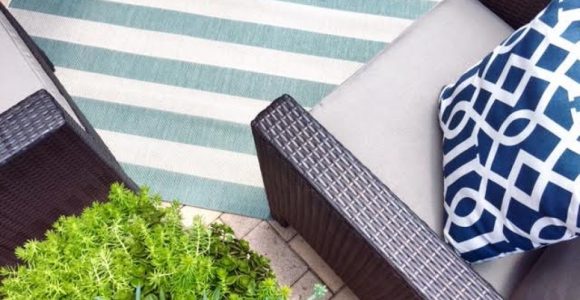




Frontgate outdoor rugs. These days embellishing does not have to be regarding custom-made, it could be regarding where to discover it currently and also exactly how to make it function for you. T...

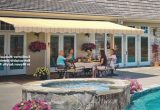
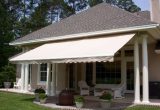


Retractable awning prices is influenced in various other means, too. On-line assemblers bill delivery costs, however this is more than balanced out by the reality they don't charge sales tax (bes...

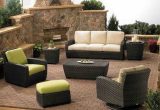

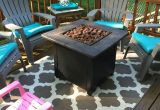
bed bath and beyond outdoor rugs (additionally called location rugs) not just include to the appearance of a space, yet likewise develop a setting including form, shade, and structure. Residence ...