Nuloom Outdoor Rugs
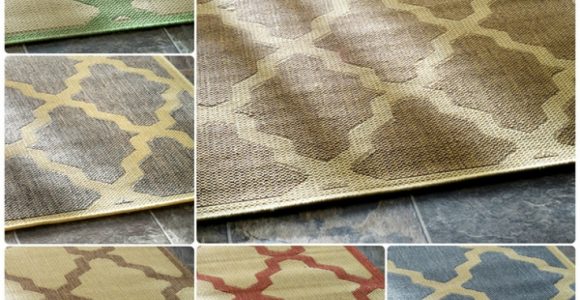



Nuloom Outdoor Rugs with pictures released for to offer the concepts to influence enhancing your home. This post of Nuloom Outdoor Rugs have of our collection pictures as well as gallery for embe...
Nuloom Outdoor Rugs with pictures released for to offer the concepts to influence enhancing your home. This post of Nuloom Outdoor Rugs have of our collection pictures as well as gallery for embe...
A low-growing shrub layer can soften the edge of a path, define a lawn and give a compact front garden year-round structure without hiding the house. The best low-growing shrubs for front yard landscaping combine a dense habit, manageable height and a root system suited to the site. Repeating a few plants along the front fence or path usually creates a calmer result than mixing many unrelated varieties.
Australian conditions change sharply across the country. Perth gardens face intense dry summers, Melbourne can experience frost and cool soils, Sydney brings humidity and coastal salt, while Brisbane has warm, wet summers. Local garden centres usually stock shrubs in 150 mm and 200 mm pots, with labels showing mature size and sun needs. Check provenance and climate requirements, because a compact form sold in a temperate nursery may not perform as expected in Queensland.
Begin with the sun rather than the plant tag. Note how long direct sunlight reaches the bed and whether nearby walls or fences reflect heat. Watch for morning shade under a front verandah and winter frost pockets. A bright position may suit a flowering species, while another plant may remain compact and evergreen in the same spot.
Use your council’s local planting guide and a simple soil check rather than relying on a generic hardiness zone. Sandy ground near the coast drains rapidly but can dry out in January, while heavy clay around many inner-city lots holds water and compacts easily. Dig a test hole about 30 cm deep, add water and watch whether it drains or remains standing. Improve the whole planting area instead of creating isolated pockets of rich soil that collect water around roots.
Good soil for shrubs is friable, slightly acidic to neutral and open enough for air around the roots. Break up clods with a fork and add a modest layer of mature compost; excessive compost can encourage soft growth and later drought stress. Keep the original soil around the root ball when planting, since a sharply different backfill can leave a perched layer where water collects.
In humid coastal gardens, look for dense evergreens that tolerate sun and part shade. Pittosporum ‘Golf Ball’ stays rounded at roughly 60–90 cm, while Westringia ‘Coastal Gem’ brings fine-textured foliage to sunny coastal borders. A compact Murraya, often sold as ‘Just a Little’, can work in frost-free Sydney and Brisbane courtyards, though it needs shelter from cold winds and sharp drainage around the crown.
For hot, dry front yards, choose plants with tough leaves and a low spreading form. Grevillea rosmarinus ‘Magic Lantern’ can be kept near 1 m with post-flowering pruning, and dwarf bottlebrush cultivars suit sunny borders where a clipped edge is wanted. Westringia also works around Perth paths once established, provided the soil drains freely. Pale stone or gravel mulch can keep the planting visually light in a hot climate.
In cooler Melbourne gardens or shaded eastern corners, Hydrangea ‘Little Lime’ offers lime-green summer flowers on a rounded shrub near 1 m. Compact hebes, dwarf rhododendrons and small-leaved gardenias provide alternatives, but their soil and light needs differ, so group them separately rather than forcing one site to suit every species. Box and small-leaved pittosporum remain useful for clipped forms, although local box moth activity should be checked before choosing them.
Native and Australian-bred selections increasingly appear at local nurseries, so read the cultivar label rather than buying a generic species. For a taller green screen beyond a knee-high border layer, this privacy planting guide explains how fences, hedges and trellises can work together without crowding the footpath. Avoid privet, lantana and bridal creeper unless the plant is explicitly sterile and permitted locally; these species appear on invasive weed lists in many Australian regions.
Map the planting before buying. Mark the path edge, driveway, letterbox and existing garden edging, then allow enough width for mature shrubs to spread without leaning onto paving. Australian front yards often have a narrow council nature strip, brick or concrete capping and compact setbacks, so a tidy line of low shrubs can make the space feel wider. Check whether council permission is needed before altering the nature strip or planting near a driveway.
Prepare each hole wider than the root ball and no deeper than the pot. Loosen compacted sides with a spade, but leave the base intact so the hole does not become a sump. Set the shrub at the same depth at which it grew in the container and firm the backfill gently around the root ball. A short stake may help on exposed sites or in sandy soil, but most low shrubs should not be tightly staked after the roots anchor.
Finish with a 50–75 mm layer of organic mulch, keeping it clear of stems and trunks. Use drip irrigation where beds are not reached by rainfall, and direct water into the root zone during dry spells rather than wetting the foliage. Australian water restrictions and dry summers make careful irrigation during establishment important, while mulch conserves moisture and suppresses weeds without creating a wet collar around the plant.
Water the pot before planting so the root ball is not dry. Remove the container slowly, tease circling roots around the sides and lower the shrub into the prepared hole without packing compost underneath it. Backfill, press out large air pockets and check that the root flare sits level with the surrounding soil. A slow soak immediately after planting settles the soil and gives roots a uniform starting point.
Hold off on heavy feeding until the plant has begun producing new growth. Apply a balanced, slow-release fertiliser at the label rate in spring, but use a low-phosphorus product for most Australian native plants. Too much nitrogen creates soft growth that may flop, attract pests and need more water later. Container-grown shrubs exhaust nutrients quickly, so a light annual top-up in spring is usually more useful than repeated high-dose summer feeding.
Keep new shrubs evenly moist through their first growing season, adjusting for rainfall and heat rather than following a fixed daily schedule. Morning watering is generally more effective in humid areas and reduces fungal problems. Inspect them after hot or windy weeks, checking beneath the mulch rather than judging the surface alone. Once growth is active and roots have spread beyond the pot, gradually lengthen the intervals between deep waterings to encourage resilient plants.
Pruning time follows the plant. Remove spent flowers and lightly shape after flowering, as many Australian natives set buds on older wood and can suffer if cut back hard at the wrong moment. Avoid shearing every shrub into the same rigid outline; a gentle curve or softened corner suits a domestic front garden better than a flat, topiary-like face. Keep foliage lower at the path edge and slightly taller toward the fence so the planting remains layered.
If an old shrub has become sparse, shorten healthy outer growth by about one third rather than removing a large section of bare stems at once. Take several thin shoots from different points to preserve the shape, and discard material that is dead, diseased or crossing in the centre. Repeat the work over successive years if the plant needs a fuller framework, feeding only after the new flush has hardened.
Clean tools between plants, especially when moving them from an old, weedy site, because Australian biosecurity campaigns warn that pathogens can travel on soil and equipment. Check for nesting birds and small fauna before cutting dense branches, and leave suitable hollows or leaf litter where safe. Clear dead growth from the base and keep the area around paths easy to inspect.
Build the planting around a simple hierarchy: low shrubs beside the path, slightly taller evergreens at the corners, and a repeated groundcover or flowering perennial along the fence. This creates depth while keeping sightlines to the front door open. Repeat foliage shapes and colours in two or three groups, then use pots on paved areas for a seasonal accent that can be moved when young shrubs fill their spaces.
Paths should end in a deliberate landing rather than disappear into a thick hedge. Brick, stone or timber edging gives the bed a crisp boundary, while planting can soften that line with leaves that fall just short of the paving. For contemporary homes, contrast shrub texture with clean architectural surfaces and choose charcoal, sandstone or timber tones that feel at home around Australian brick veneer homes.
Material choices also shape how a front garden feels before a visitor reaches the door. The 2025 design awards preview offers a broader view of current Australian colour, texture and spatial ideas, helping homeowners create a planting palette connected to the property rather than a separate collection of pots.
Choose plants that fit the light, soil and local climate before focusing on flower colour. Visit a local nursery this weekend, compare the potted shrubs and picture their mature width beside the path. Plant a small grouped border, water it deeply and allow room for natural variation. A front yard built around healthy low-growing shrubs will feel softer, easier to maintain and welcoming throughout the year.

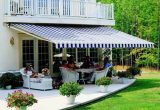
Awning definition, What is an awning? An awning is a cover made from canvas to sanctuary individuals or things from rain or sunlight, usually one will certainly use words awning about a roof-l...
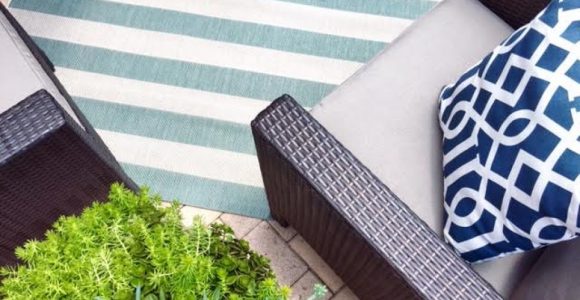



Frontgate outdoor rugs. These days embellishing does not have to be regarding custom-made, it could be regarding where to discover it currently and also exactly how to make it function for you. T...


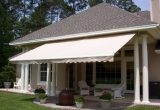


Retractable awning prices is influenced in various other means, too. On-line assemblers bill delivery costs, however this is more than balanced out by the reality they don't charge sales tax (bes...

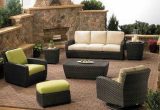

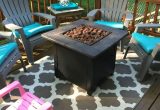

bed bath and beyond outdoor rugs (additionally called location rugs) not just include to the appearance of a space, yet likewise develop a setting including form, shade, and structure. Residence ...