Nuloom Outdoor Rugs
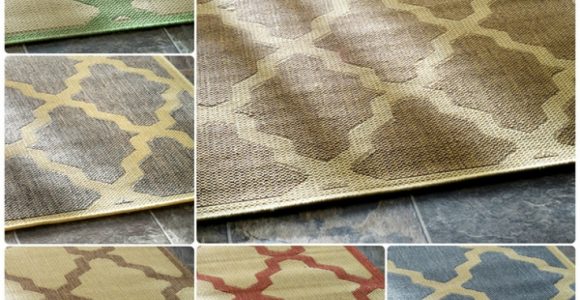



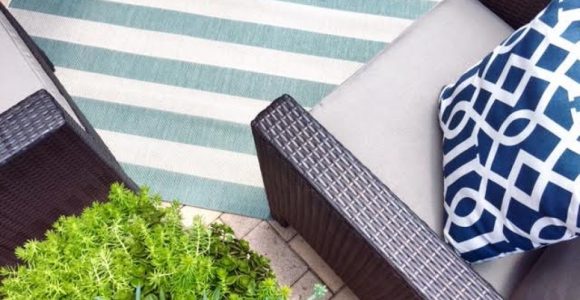
Nuloom Outdoor Rugs with pictures released for to offer the concepts to influence enhancing your home. This post of Nuloom Outdoor Rugs have of our collection pictures as well as gallery for embe...
Nuloom Outdoor Rugs with pictures released for to offer the concepts to influence enhancing your home. This post of Nuloom Outdoor Rugs have of our collection pictures as well as gallery for embe...
Porous vs. non-porous paving: which is best for drainage? The answer depends on more than the surface material. Soil type, rainfall, slope, sub-base construction, nearby buildings and local council rules all influence whether water disappears safely or collects around the house.
For Australian homes, the right choice can make an outdoor area more comfortable and easier to maintain. A permeable driveway may help during a Brisbane downpour, while a carefully graded non-porous patio can work perfectly well in a dry Perth setting. Understanding how each system handles stormwater is the first step towards a durable result.
Porous paving contains tiny openings that allow water to pass through the surface. Porous concrete and some open-textured asphalt work this way, while permeable pavers usually direct water through the joints between individual units. The water then moves into a prepared layer of aggregate beneath the paving, where it can soak into the ground or travel towards a drainage outlet.
This approach reduces the amount of water running across the surface during rain. It can help limit puddles, splashback and pressure on stormwater pipes. However, a porous surface is not automatically a complete drainage solution. If the subsoil is heavy clay, compacted or already saturated, water may remain below the paving and eventually rise back to the surface.
Non-porous paving includes sealed concrete, dense natural stone, ceramic outdoor tiles and many standard asphalt surfaces. These materials shed water rather than absorbing it. They need a deliberate fall, edge channels, grated drains or another outlet to move runoff away from entrances, garages and foundations.
Permeable paving is particularly useful for driveways, garden paths, courtyards and parking areas where stormwater needs to be managed close to its source. It can reduce runoff into the street and help maintain a more natural water cycle around the property. With attractive pavers and a suitable border, it can also provide a polished finish rather than looking like a purely functional drainage system.
The system needs enough depth below the surface to store rainfall temporarily. A qualified installer will usually remove unsuitable soil, add layers of washed aggregate and compact each layer carefully. Geotextile fabric may be used to separate soil from the drainage base, depending on the site. Poor preparation is a common reason for permeable paving to settle or clog.
Non-porous paving remains a sound option for entertaining areas, pool surrounds and sloping sites where a controlled drainage route is easier to create. A well-built concrete patio with a consistent fall can be more predictable than a porous system on reactive clay. The key is to ensure water flows towards landscaping, a legal point of discharge or an engineered drain rather than towards the home.
Australian properties face very different water-management conditions. Brisbane and the Gold Coast can receive intense summer storms, so a driveway that quickly sheds or filters rainfall is valuable. In Melbourne, reactive clay soils can move as moisture levels change, making sub-base design and expansion joints especially important. Perth often has sandy soils that drain readily, although local groundwater and bushfire-related landscaping requirements still need consideration.
Sydney sites may have steep blocks, sandstone, narrow side access and limited space for large drainage pits. Adelaide homeowners may also be mindful of water restrictions and drought conditions, while northern Queensland properties must account for tropical rainfall, humidity and occasional cyclonic weather. Local councils and water authorities can have different rules for runoff, verge crossings and connections to stormwater systems.
Before selecting a finish, arrange a basic site assessment. Check where water currently collects, whether the soil is clay or sand, how close the paving will be to the building and whether tree roots are active nearby. If the project affects a driveway crossover, retaining wall or stormwater connection, a council approval or licensed trade may be required.
| Feature | Porous or permeable paving | Non-porous paving |
|---|---|---|
| Water movement | Filters water through the surface or joints | Directs water across the surface |
| Main drainage requirement | Open-graded aggregate base and suitable soil | Correct fall, channels and outlets |
| Best suited to | Paths, driveways and areas needing infiltration | Patios, pool areas and controlled falls |
| Performance on clay | May require an underdrain or overflow route | Usually easier to control with surface drainage |
| Maintenance | Joint vacuuming and removal of sediment | Crack repairs, resealing and drain cleaning |
| Installation cost | Often higher because of excavation and base preparation | Can be more economical on straightforward sites |
| Risk if poorly installed | Clogging, settlement or trapped water | Ponding, erosion at edges or runoff towards buildings |
Permeable concrete pavers are a popular choice because individual units can be lifted and replaced if the ground shifts. Their joints allow water to enter, although fine sand, leaf litter and soil can gradually block the openings. Occasional sweeping with suitable equipment helps preserve performance. Avoid filling the joints with ordinary fine sand unless the manufacturer specifically recommends it.
Porous concrete offers a more continuous appearance, but repairs can be harder to blend. It also needs protection from sediment during construction and landscaping work. Dense concrete and natural stone are easier to clean, but they can become slippery when algae, dust or leaf matter accumulates. A textured finish is generally safer than a highly polished one around pools and outdoor kitchens.
Colour affects comfort as well as appearance. Pale paving reflects more sunlight and may feel cooler underfoot on a hot Australian afternoon. Dark surfaces can absorb heat, particularly in western-facing courtyards. In coastal areas, choose products and fixings that tolerate salt exposure, and ensure the drainage design prevents water from sitting against metal posts, rendered walls or outdoor furniture.
For properties with established gardens, drainage should work with the landscape. Rain gardens, planted swales and gravel margins can slow and filter runoff. Carefully selected native garden plants may support local birds and pollinators while helping the outdoor area feel integrated with its surroundings.
A paving surface can be water-friendly and still cause damage if the levels are wrong. The finished surface should generally fall away from walls, door thresholds and garages. The exact gradient depends on the material and site, but the installer must allow for construction tolerances, settlement and the position of drainage grates.
Keep paving below damp-proof courses and avoid bridging weep holes. Where an outdoor area meets a house, a channel drain may be needed to intercept runoff before it reaches the wall. Expansion joints, flexible sealants and correctly reinforced slabs are important where concrete is used near a building or over variable ground.
Useful details to confirm with a paving contractor include:
Drainage grates should remain accessible after furniture, pot plants and garden edging are installed. Check them before the wet season and clear leaves promptly. In areas exposed to intense rain, an overflow route is sensible because even a well-designed porous system can reach capacity during an exceptional storm.
The decision becomes easier when performance, appearance and budget are considered together. A porous driveway may reduce visible runoff, yet it can be a poor investment if the subsoil has nowhere to accept water. A sealed patio may cost less initially, but it will need a reliable drain and may send more water towards the street.
Use these practical checks before requesting quotes:
When comparing quotes, ask for more than a price per square metre. The proposal should describe excavation, base materials, compaction, edge restraints, drainage components and disposal of spoil. It should also state whether the contractor is allowing for testing, council inspections or difficult access.
A useful project brief should include:
Tradies who regularly work in the local area can often identify conditions that are missed in a generic product brochure. Ask to see completed projects with similar soil and slope conditions. Good workmanship below the surface matters just as much as the visible finish.
For many Australian homes, the strongest result is a combined system: permeable paving where infiltration is practical, planted areas that slow runoff, and conventional drains where water needs a definite route. This can provide better control than relying on one material across the whole property.
Choose porous or permeable paving when the soil, sub-base and maintenance plan support it. Choose non-porous paving when a controlled fall and engineered outlet will offer more dependable protection. In either case, insist on correct levels, a stable foundation and a drainage plan that considers ordinary rain as well as severe weather.
Bring these decisions into the design before ordering materials or booking installation. A well-planned paved area will look considered, stay safer underfoot and protect the home from avoidable water problems for years.
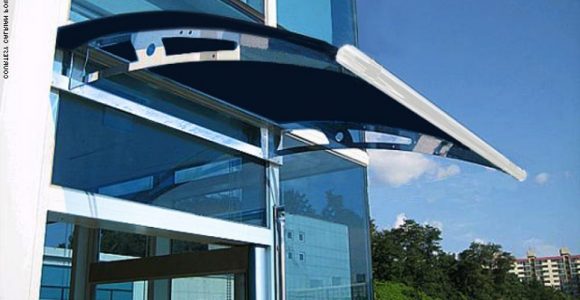


Awning definition, What is an awning? An awning is a cover made from canvas to sanctuary individuals or things from rain or sunlight, usually one will certainly use words awning about a roof-l...



Frontgate outdoor rugs. These days embellishing does not have to be regarding custom-made, it could be regarding where to discover it currently and also exactly how to make it function for you. T...



Retractable awning prices is influenced in various other means, too. On-line assemblers bill delivery costs, however this is more than balanced out by the reality they don't charge sales tax (bes...

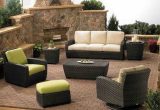

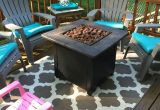

bed bath and beyond outdoor rugs (additionally called location rugs) not just include to the appearance of a space, yet likewise develop a setting including form, shade, and structure. Residence ...