Nuloom Outdoor Rugs
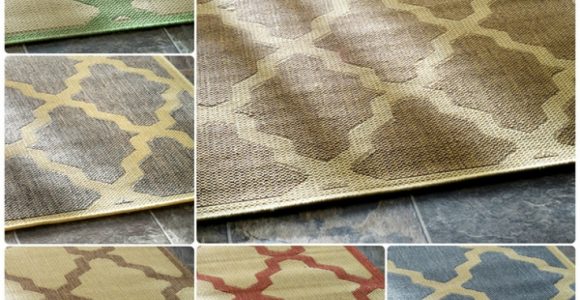



Nuloom Outdoor Rugs with pictures released for to offer the concepts to influence enhancing your home. This post of Nuloom Outdoor Rugs have of our collection pictures as well as gallery for embe...
Nuloom Outdoor Rugs with pictures released for to offer the concepts to influence enhancing your home. This post of Nuloom Outdoor Rugs have of our collection pictures as well as gallery for embe...
A well-chosen shrub can do far more than fill an empty border. It can soften a patio edge, frame a pathway, provide nesting cover, and offer food when the garden’s flowering perennials have finished. Native shrubs are especially valuable because local birds, bees, butterflies, and other beneficial insects have evolved alongside them.
A wildlife-friendly planting scheme can still look polished and intentional. Evergreen structure, colorful berries, spring flowers, and attractive foliage create a garden that feels designed rather than untamed. The key is to select plants that suit the site while providing different resources throughout the year.
Native species vary by region, so a shrub that supports wildlife in one country or state may be invasive or poorly adapted elsewhere. Use local botanical references, native plant societies, or a reputable nursery to confirm what belongs in your area before buying.
Native plants support local food webs in ways that many ornamental imports cannot. Their leaves often feed caterpillars and other insect larvae, which are essential food for nestling birds. Adult pollinators also visit their flowers for nectar and pollen, while mature shrubs offer stems, bark, and dense branches for shelter.
Berry-producing shrubs extend that value into autumn and winter. Serviceberry, viburnum, elderberry, holly, and hawthorn can provide fruit for thrushes, waxwings, finches, and other garden visitors, depending on the region. A shrub does not need to produce edible fruit for people to be useful; many of the best wildlife plants are valued primarily by birds and insects.
Planting several compatible species is usually more effective than relying on a single specimen. A mixed border offers varied flower shapes, fruiting times, heights, and textures. It also reduces the risk that one pest, disease, or unusual weather event will remove the garden’s main source of food.
Start with the growing conditions rather than the plant label. Record how many hours of direct sunlight the area receives, whether the soil stays damp after rain, and how much room the shrub will have at maturity. A compact front-yard bed may suit a dwarf inkberry or compact viburnum, while a spacious boundary can accommodate taller serviceberries or elderberries.
Drainage is particularly important. Some native shrubs thrive beside ponds, rain gardens, or low-lying lawns, while others need sharply drained soil. Amending a planting hole heavily can create a pocket with different moisture conditions from the surrounding ground, so it is often better to match the species to the existing soil and improve the whole bed with compost where appropriate.
Think about mature width before placing shrubs near paving, fencing, walls, or outdoor furniture. A plant that looks small in a nursery container can eventually block a gate, crowd a seating area, or shade a window. Good spacing preserves airflow and makes pruning less frequent, creating a healthier and more relaxed landscape.
Spring-flowering shrubs can supply an early nectar source when pollinators are emerging from winter. Native willow, spicebush, serviceberry, and some viburnums flower early, although the best choices depend on local climate. Their blossoms also bring seasonal color close to windows and walkways, making the garden rewarding for people as well as wildlife.
Summer shrubs should bridge the gap between spring bloom and late-season flowers. Buttonbush is useful in moist conditions and attracts a wide range of insects, while native dogwoods, elderberries, and certain ninebarks can support pollinators and birds. Look for flowers with accessible nectar, and avoid selecting every plant solely for large, showy blooms.
Autumn and winter are when fruit, seeds, bark, and evergreen foliage become especially important. Winterberry holly is a striking choice for damp sites, though female plants need a compatible male nearby to produce berries. Evergreen shrubs such as inkberry can provide year-round cover, while deciduous thickets give birds sheltered roosting places and nesting material.
The following examples are broad starting points rather than a universal shopping list. Confirm native status, mature size, and local cultivars with a regional source. Some plants have separate male and female forms, or need more than one genetically different plant for reliable fruit production.
| Shrub | Wildlife value | Ideal conditions | Design contribution |
|---|---|---|---|
| Serviceberry | Early flowers, edible berries for birds, host plant for insects | Sun to part shade, well-drained soil | Light canopy and seasonal color |
| Viburnum species | Flowers, berries, dense nesting cover | Sun to part shade; moisture varies by species | Full, rounded form for borders |
| Elderberry | Creamy flower clusters and abundant fruit | Moist, fertile soil; sun or light shade | Informal screen or back-of-border mass |
| Winterberry holly | Persistent red berries for winter birds | Moist or wet soil, sun to part shade | Strong winter accent with bare stems |
| Inkberry | Evergreen shelter and small dark fruit | Acidic, moist but drained soil | Neat low hedge or foundation planting |
| Ninebark | Insect-supporting flowers, seeds, and cover | Sun to part shade; adaptable soil | Arching structure and textured bark |
| Buttonbush | Rich summer nectar and seed heads | Wet soil, pond edges, rain gardens | Rounded focal shrub for damp areas |
A layered arrangement usually works best. Place taller shrubs toward a property boundary, medium plants around the middle, and lower species near paths or seating areas. This creates visual depth while giving birds escape routes at different heights.
Avoid treating berry production as the only measure of success. A shrub covered in flowers may be more important in spring than a fruiting shrub is in winter, and a dense, thorny plant can offer valuable protection even when it is not in bloom. The strongest habitat gardens combine several functions in a relatively small footprint.
Wildlife planting can be integrated into a refined outdoor living space. Use shrubs to define the edge of a patio, soften the view of a fence, or create a transition between paving and lawn. Repeated groups of two or three species look more deliberate than a scattered collection of individual plants, while curved beds can make hard-edged patios feel more connected to the garden.
Keep thorny or dense shrubs away from narrow walkways and areas where children or pets regularly pass. Their natural defensive structure is excellent for bird protection, but it needs to be placed thoughtfully. A berry shrub near a window can create a lively view, while a low evergreen near a bench can provide privacy without overwhelming the seating area.
Combine shrubs with native grasses, ground covers, and flowering perennials to create a gradual height change. Mulched soil beneath the plants reduces competition and helps retain moisture, but leave some undisturbed leaf litter where practical. Many insects overwinter in fallen leaves, hollow stems, and shallow soil, making a perfectly bare bed less useful to wildlife.
For broader ideas about combining planting with attractive residential improvements, explore French Creative while planning the relationship between a habitat border, patio, paving, or garden shelter.
Native does not mean maintenance-free. Water new shrubs deeply during their first growing seasons, especially during hot or dry weather. Once established, many species become more resilient, but even drought-tolerant plants benefit from occasional watering during prolonged heat.
Prune with a purpose rather than shearing every shrub into a uniform shape. Remove damaged or crossing branches, preserve the natural outline, and prune flowering shrubs at the correct time for their bloom cycle. Cutting too early can remove the buds that would produce flowers and fruit later in the year.
Avoid broad-spectrum pesticides whenever possible. They can reduce the insects that birds need to feed their young and may harm bees visiting nearby flowers. Improve plant health through suitable spacing, good drainage, and a diverse planting mix, then address serious pest problems with the least disruptive treatment available.
The most successful wildlife gardens are designed for people and nature together. A flowering shrub beside a dining terrace can bring butterflies close to the table, while an evergreen screen can make a seating area feel private and sheltered. Fruit, foliage, bark, and changing silhouettes keep the garden visually interesting long after the first flush of bloom.
Begin with one manageable border or a few containers if space is limited. Choose a suitable native shrub, pair it with a second species that flowers or fruits at another time, and observe which birds and pollinators arrive. Expand gradually by repeating the combinations that perform well in your soil and climate.
Select your first plants from a trusted local nursery, prepare the site carefully, and give each shrub enough room to mature. With thoughtful placement and seasonal variety, an ordinary boundary can become a comfortable, attractive habitat that supports wildlife for years.

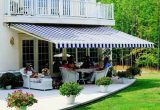
Awning definition, What is an awning? An awning is a cover made from canvas to sanctuary individuals or things from rain or sunlight, usually one will certainly use words awning about a roof-l...
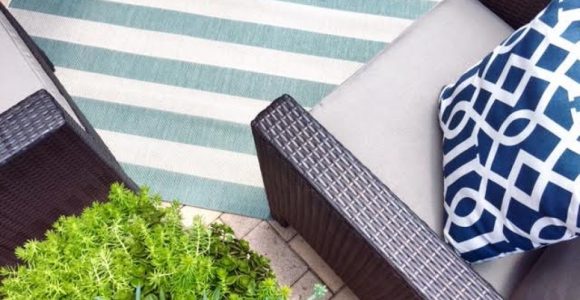


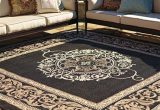
Frontgate outdoor rugs. These days embellishing does not have to be regarding custom-made, it could be regarding where to discover it currently and also exactly how to make it function for you. T...

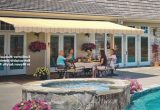
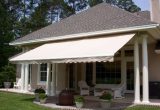


Retractable awning prices is influenced in various other means, too. On-line assemblers bill delivery costs, however this is more than balanced out by the reality they don't charge sales tax (bes...

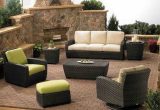
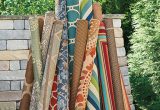
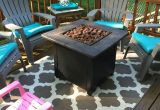
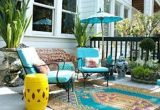
bed bath and beyond outdoor rugs (additionally called location rugs) not just include to the appearance of a space, yet likewise develop a setting including form, shade, and structure. Residence ...