Nuloom Outdoor Rugs
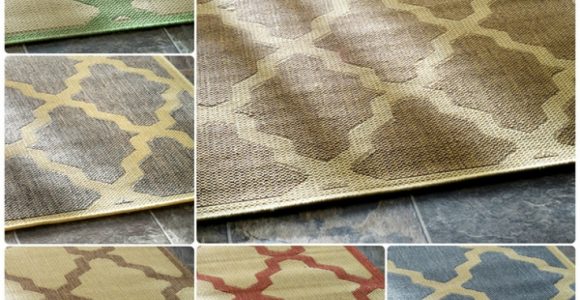



Nuloom Outdoor Rugs with pictures released for to offer the concepts to influence enhancing your home. This post of Nuloom Outdoor Rugs have of our collection pictures as well as gallery for embe...
Nuloom Outdoor Rugs with pictures released for to offer the concepts to influence enhancing your home. This post of Nuloom Outdoor Rugs have of our collection pictures as well as gallery for embe...
A driveway has a practical job, but it also sets the visual tone for the front of a home. The paving pattern affects how wide the entrance appears, how confidently a car approaches the garage, and how well the surface relates to brickwork, cladding, fencing and garden beds.
Basketweave, running bond and herringbone are three established layouts for brick pavers, concrete blocks and some stone products. Each creates a different rhythm, and each performs differently when exposed to vehicle loads, tree roots, rain and regular cleaning.
Australian conditions make the choice especially important. A sunny Perth frontage, a steep block in Brisbane and a compact Melbourne terrace may need very different paving solutions. The right pattern should balance appearance, structural stability, drainage and the character of the property.
Running bond is the simplest arrangement, with pavers laid in parallel rows and each joint offset from the next. Its clean lines suit contemporary homes, long driveways and narrow side access because the joints guide the eye along the length of the surface. It can make a short driveway feel more extended.
Basketweave pairs blocks into alternating squares or rectangular units. The result has a traditional, slightly relaxed character that works well with Federation, cottage and heritage-inspired homes. Because the eye focuses on repeated modules rather than long lines, it can make a broad forecourt feel more settled and structured.
Herringbone uses angled blocks, commonly at 45 or 90 degrees to the direction of travel. Its zigzag movement adds energy and visual depth, making it a strong choice for a prominent entrance. The pattern can also disguise minor colour variation between batches of pavers, which is useful when matching an existing path.
Pattern direction affects how forces move across a paved driveway. Running bond can look elegant, but long, continuous joints may be less forgiving if the base is poorly compacted or the edge restraint is weak. It remains a sound option when the sub-base, bedding layer and drainage have been properly designed for cars.
Herringbone generally offers excellent interlock because the angled pavers resist movement in several directions. This is valuable at turning areas, garage thresholds and sloping driveways, where braking and steering create sideways pressure. A 90-degree layout often provides a more formal appearance, while 45 degrees feels more dynamic.
Basketweave is suitable for residential driveways when installed over a strong foundation and contained by durable borders. Its repeated blocks distribute visual attention, but the joints still need careful alignment. For heavier vehicles, a landscape contractor may recommend thicker units or a reinforced base rather than relying on pattern alone.
The best option depends on the home’s architecture, the driveway’s geometry and the amount of traffic it receives. A family driveway used several times a day needs a different level of restraint and maintenance than a decorative front parking bay.
| Paving pattern | Visual character | Structural behaviour | Suitable settings | Main consideration |
|---|---|---|---|---|
| Running bond | Clean, linear and modern | Reliable with a well-built base | Long, narrow or contemporary driveways | Can emphasise uneven joints |
| Basketweave | Classic, warm and patterned | Stable for ordinary residential use | Heritage homes and broad forecourts | Needs accurate alignment |
| Herringbone | Dynamic and highly textured | Strong interlock against movement | Slopes, turning zones and busy driveways | More cutting and installation time |
Colour and border details can change the result as much as the central layout. Charcoal edging around pale concrete-look pavers creates definition, while a warm clay blend can connect the driveway to brick walls and terracotta pots. Keep the number of competing colours limited so the pattern remains readable rather than visually noisy.
Australian suburban design often combines indoor and outdoor living, so the driveway may be visible from a verandah, alfresco area or kitchen window. In Sydney and Melbourne, where many frontages are compact, a restrained running bond or small-format basketweave can complement established planting without overwhelming the garden.
In Brisbane, Adelaide and Perth, intense sun can make dark paving uncomfortably hot and may accelerate fading in lower-quality products. Mid-tone greys, sandy neutrals and blended terracotta shades are practical alternatives. Light colours reflect more heat but may show tyre marks, leaf stains and hard-water deposits more readily.
In bushfire-prone parts of Australia, non-combustible paving provides a sensible surface around the home, although it is only one part of a broader bushfire plan. Local planning controls and advice from the relevant state authority should guide material and landscaping decisions. Coastal homeowners should also check whether salt exposure requires particularly dense, low-porosity pavers and corrosion-resistant edge details.
A pattern should respond to the driveway rather than being selected from a sample board alone. Mark the proposed edges with spray paint or stakes, view the area from the street and check how the layout meets the footpath, garage and front entry. This helps reveal whether strong diagonals or long lines will improve the space.
Consider these practical selection points:
The driveway’s proportions matter as well. Large pavers can reduce the number of joints and create a calm contemporary effect, but they may require more cutting around curves and drainage channels. Smaller units adapt more easily to irregular shapes and are often a natural fit for basketweave or herringbone designs.
A driveway must shed water without directing runoff onto a neighbouring property or overwhelming the street gutter. Australian councils commonly regulate the driveway crossover, the section connecting private land to the public road. Approval may be needed before altering the kerb, nature strip or footpath, and requirements vary between councils and states.
Permeable paving can help reduce surface runoff by allowing water to pass into a prepared sub-base. It is useful where stormwater management is a concern, although it needs the correct aggregate layers and regular maintenance to prevent joint material from clogging. In areas affected by heavy summer rain, such as parts of Queensland and New South Wales, grading and channel drains deserve careful attention.
Before excavation, arrange a service check through Before You Dig Australia and confirm local planning requirements. Heritage overlays, flood controls, tree protection rules and minimum driveway widths can all affect the design. A council may also specify the permitted crossover width, materials or construction method, particularly on busy residential streets.
Good preparation is more important than a fashionable layout. The contractor should excavate unstable soil, compact the sub-base in stages and establish a consistent fall. Edge restraints need to be anchored securely, especially beside garden beds where soil can shift after watering or heavy rain.
For a driveway carrying regular vehicles, specify pavers rated for vehicular use rather than products intended only for paths or patios. Concrete pavers are widely available through Australian landscape suppliers, while clay bricks offer rich colour and a softer traditional appearance. Natural stone can be striking, but its thickness, slip resistance and maintenance requirements should be checked carefully.
Plan the relationship between paving and other front-yard details at the same time. A well-designed gate can make the driveway feel like part of a complete arrival sequence; these garden gate ideas show how access points can combine privacy, character and practical movement. Leave room for gate swings, bin access and pedestrian circulation before finalising the paving edge.
Regular sweeping prevents grit and leaf litter from building up in the joints. Hose away ordinary dust when needed, but avoid directing high-pressure water too close to the jointing sand. If weeds appear, remove them early and identify whether the cause is windblown seed, poor drainage or a damaged joint.
Useful maintenance habits include:
Sealing is not automatically necessary. Some clay and concrete products develop a pleasing patina when left untreated, while a compatible sealer can deepen colour and simplify stain removal. Test any product in an inconspicuous area first, since an overly glossy finish can look out of place and become slippery when wet.
A thoughtfully chosen layout makes a driveway feel intentional from the street and dependable under daily use. Running bond brings orderly simplicity, basketweave adds heritage charm, and herringbone delivers strong interlock with a more expressive finish. Review the site conditions, confirm council requirements and request a detailed base-and-drainage specification from an experienced local installer before work begins. Then select the pattern that supports the home’s architecture, climate and everyday routine.


Awning definition, What is an awning? An awning is a cover made from canvas to sanctuary individuals or things from rain or sunlight, usually one will certainly use words awning about a roof-l...



Frontgate outdoor rugs. These days embellishing does not have to be regarding custom-made, it could be regarding where to discover it currently and also exactly how to make it function for you. T...



Retractable awning prices is influenced in various other means, too. On-line assemblers bill delivery costs, however this is more than balanced out by the reality they don't charge sales tax (bes...

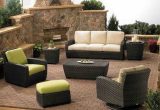



bed bath and beyond outdoor rugs (additionally called location rugs) not just include to the appearance of a space, yet likewise develop a setting including form, shade, and structure. Residence ...