Nuloom Outdoor Rugs
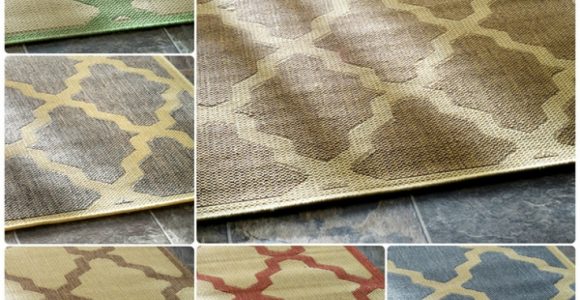



Nuloom Outdoor Rugs with pictures released for to offer the concepts to influence enhancing your home. This post of Nuloom Outdoor Rugs have of our collection pictures as well as gallery for embe...
Nuloom Outdoor Rugs with pictures released for to offer the concepts to influence enhancing your home. This post of Nuloom Outdoor Rugs have of our collection pictures as well as gallery for embe...
A garden gate does more than mark the entrance to a property. It frames the view, controls movement, supports privacy, and gives the boundary a distinct personality. With the right proportions and materials, even a modest side passage can become an attractive transition between the street, patio, lawn, and planting beds.
Creative fence gate designs for garden access and charm range from simple timber doors to contemporary slatted panels, arched picket entrances, and wide double gates for wheelbarrows or bicycles. The best choice balances appearance with everyday use, local weather conditions, maintenance, and the character of the home.
A successful gate should feel connected to the fence rather than added as an afterthought. Repeating the same paint colour, timber tone, post style, or metal detail creates a unified boundary, while a carefully chosen contrast can make the entrance a focal point. For broader residential design inspiration, French Creative offers ideas for improving indoor and outdoor living spaces.
The first design decision is practical. A narrow pedestrian gate is suitable for a front path, herb garden, or side entrance, while a wider opening is more useful for moving lawn equipment, bins, furniture, and building materials. Measure the route leading to the gate as well as the opening itself, since a tight turn can make a generously sized gate difficult to use.
Single gates are usually simpler to install and operate. Double gates create a grander entrance and offer flexibility when the garden needs occasional access for a trailer or large delivery. A half-and-half arrangement, with one everyday leaf and one secondary leaf secured by bolts, combines convenience with a wider opening when required.
Consider the swing direction before choosing the hinges. A gate that opens onto a public footpath may obstruct pedestrians, while one that swings inward needs enough clearance from paving, planting, and steps. Sliding gates solve some space problems but require a level track and room beside the fence for the panel to travel.
Timber remains a versatile choice for garden gates because it suits cottages, contemporary homes, and traditional brick properties. Vertical boards create a taller, cleaner appearance, whereas horizontal slats give a modern architectural feel. Tongue-and-groove panels provide privacy, while spaced battens allow sunlight and air to pass through.
Hardwood gates can offer excellent durability, but they tend to cost more and need suitable protection. Pressure-treated softwood is often a practical alternative for residential boundaries. Whichever timber is selected, use exterior-grade fixings and finish all exposed ends carefully so moisture cannot enter the grain too easily.
Metal introduces a different character. Powder-coated steel is crisp and low-maintenance, while wrought iron or forged details bring a more decorative quality. A metal frame with timber infill creates a balanced combination of strength and warmth. For coastal or damp locations, corrosion-resistant finishes and stainless-steel hardware are especially important.
Composite panels can be useful where homeowners want the appearance of painted boards without frequent staining. They resist rot and often retain their colour well, though their manufactured look may need softening with climbers, terracotta pots, or natural planting around the entrance.
The outline of a gate has a strong effect on how the garden boundary is perceived. A straight top looks orderly and contemporary, while a shallow arch creates a softer, more welcoming entrance. A stepped or curved design can echo nearby rooflines, window heads, or the shapes found in formal planting.
Colour is an easy way to give a standard gate more personality. Deep green helps a gate blend into foliage, charcoal provides a sharp contrast against pale walls, and warm white can suit cottage-style planting. A natural wood stain highlights grain and works particularly well with stone paving and evergreen shrubs.
Decorative patterns should support the style of the property rather than compete with it. Geometric cut-outs suit modern gardens, while simple diamond details or spearhead railings can reinforce a traditional look. Small inset panels, circular openings, and alternating board widths offer visual interest without making the gate appear fussy.
A bright painted gate can become a memorable garden feature, especially when its colour is repeated in planters, outdoor cushions, or a front door. Test sample colours outdoors before committing, because surrounding greenery and changing daylight can make paint appear significantly different from a shop display.
A fully enclosed gate gives privacy and helps conceal bins, storage areas, and service paths. However, solid panels can make a narrow entrance feel darker and less welcoming. Vertical gaps, trellis sections, or a glazed upper panel can maintain a sense of openness while still defining the boundary.
For a front garden, visibility may be preferable to complete screening. Picket gates and metal railings allow passers-by to see planting and make a small garden appear larger. In a rear garden, a taller close-board gate may provide the seclusion needed around a patio or hot tub.
The latch and hinges deserve as much attention as the gate face. Choose hardware that is comfortable to operate, resistant to weather, and sized to match the weight of the panel. A self-closing hinge can be helpful where children or pets use the garden, while a lockable latch adds security for side access.
Lighting can make the entrance safer and more appealing after dark. Wall lights, low bollards, or subtle path lighting should illuminate the latch and threshold without shining directly into neighbouring windows. Solar fixtures are easy to install, though wired lighting usually offers more reliable brightness during winter.
| Gate style | Best suited to | Main benefit | Key consideration |
|---|---|---|---|
| Vertical timber boards | Cottage and family gardens | Warm, adaptable appearance | Needs sealing or painting |
| Horizontal slatted panel | Contemporary properties | Clean lines and modern character | May provide limited privacy |
| Picket gate | Front gardens and pathways | Light, welcoming appearance | Less secure and less private |
| Metal frame with timber infill | Mixed traditional-modern settings | Strength with natural texture | Requires careful protection at joints |
| Double driveway gate | Vehicle and large-item access | Wide, practical opening | Needs substantial posts and hardware |
| Composite privacy gate | Low-maintenance boundaries | Resists rot and repeated repainting | Can look less natural than timber |
Posts are a major visual feature and structural support. Substantial timber posts can make a simple gate appear established, while rendered or brick piers create a more permanent architectural entrance. Caps, finials, and small roof-like covers protect exposed post tops and add a finished appearance.
Planting can frame the gate without interfering with its movement. Lavender, catmint, clipped box, ornamental grasses, and low-growing roses create a soft threshold. Climbers such as jasmine or clematis can be trained across a nearby trellis, but avoid allowing vigorous stems to wrap around hinges or push against the gate.
Paving also influences how the entrance feels. A row of contrasting slabs can create a visual runway, while gravel gives a relaxed country character. Make sure the threshold remains level enough for a wheelbarrow and that loose material cannot accumulate beneath the gate. A small drainage channel may be necessary on sloping or clay-heavy ground.
Personal touches can come through house numbers, ceramic plaques, handmade handles, or a discreet nameplate. If the gate opens into an entertainment area, coordinate its hardware and colour with the patio furniture and outdoor awning. Homeowners who follow wider lifestyle and entertainment news may also browse Jackpot updates, but the gate itself should remain focused on safe, attractive access.
A gate should be judged by how it will look after several seasons, not just on installation day. Timber may weather into a soft silver tone, paint may require occasional touch-ups, and plants will gradually change the proportions around the entrance. Select finishes that can be renewed without stripping the entire structure.
Good drainage is essential. Keep timber away from constantly wet soil, use a suitable gravel or paved threshold, and ensure water can run away from the posts. For metal gates, inspect welds, hinges, and lower edges regularly for rust or flaking coating. A small repair carried out early is usually less disruptive than replacing a damaged panel.
The most reliable designs also leave room for adjustment. Ground movement can cause a gate to drop or catch, particularly where heavy leaves, clay soil, or frost affect the path. Adjustable hinges, strong posts, and a properly level frame make future maintenance easier. Avoid oversized decorative features that add weight without improving function.
Before ordering materials, mark the proposed opening with stakes and string. View it from inside and outside the garden, then check how it relates to windows, paths, planting, and neighbouring boundaries. This simple exercise can reveal whether the gate needs to be narrower, taller, more transparent, or positioned differently.
Use these principles to refine the final design:
A well-designed gate can turn an ordinary boundary into a welcoming garden threshold. Sketch the opening, compare material samples in natural light, and test the swing path before installation. With thoughtful proportions, durable construction, and a few personal details, your garden access can become one of the most charming features of the entire property.

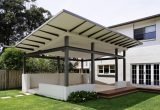


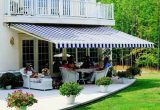
Awning definition, What is an awning? An awning is a cover made from canvas to sanctuary individuals or things from rain or sunlight, usually one will certainly use words awning about a roof-l...



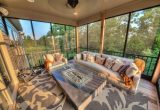
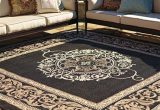
Frontgate outdoor rugs. These days embellishing does not have to be regarding custom-made, it could be regarding where to discover it currently and also exactly how to make it function for you. T...

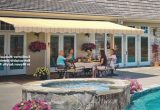
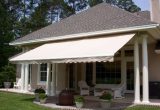


Retractable awning prices is influenced in various other means, too. On-line assemblers bill delivery costs, however this is more than balanced out by the reality they don't charge sales tax (bes...

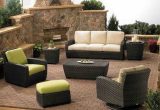



bed bath and beyond outdoor rugs (additionally called location rugs) not just include to the appearance of a space, yet likewise develop a setting including form, shade, and structure. Residence ...