Patio Furniture Storage Ideas For Australian Winters
Outdoor furniture helps Australian homes make the most of alfresco living, from a shaded Sydney balcony to a spacious Melbourne courtyard. When cooler weather arrives, however, chairs, cushions and timber tables face rain, condensation, wind and long periods of disuse. A considered storage plan protects your investment while keeping the patio attractive and ready for the next warm weekend.
The best solution depends on your climate, available space and furniture materials. Brisbane households may need to manage humidity and mould more than frost, while homes in Hobart or Canberra may need stronger protection from cold, damp air and occasional freezing conditions. The aim is to reduce exposure without turning a garage or shed into an unusable storage room.
| Storage approach |
Best suited to |
Main advantages |
Points to watch |
| Weatherproof covers |
Large settings left outdoors |
Quick, affordable and convenient |
Needs ventilation and secure fastening |
| Outdoor storage box |
Cushions and small accessories |
Keeps soft furnishings tidy and dry |
Choose drainage and UV-resistant construction |
| Garden shed |
Foldable chairs, tools and décor |
Strong protection from weather |
Requires floor space and airflow |
| Garage or under-stair storage |
Valuable timber, metal and fabrics |
Maximum protection |
Can consume valuable household storage |
| Wall-mounted or hanging storage |
Lightweight folding furniture |
Uses vertical space efficiently |
Needs strong fixings and careful lifting |
Assess The Furniture Before Storing It
Begin by separating the furniture into categories: frames, cushions, umbrellas, rugs, lighting and decorative items. A bulky hardwood table may be safer under a breathable cover, while lightweight aluminium chairs can usually be stacked inside a shed. Knowing the material prevents unsuitable packing decisions.
Timber should be cleaned and completely dry before storage, then treated according to the manufacturer’s instructions. Aluminium and powder-coated steel benefit from a gentle wash to remove salt, dust and grime. Wicker, rattan and synthetic fibres need particular attention around joints, where moisture can remain hidden and encourage mildew.
Inspect fasteners, feet and moving parts before putting anything away. Tighten loose screws, remove surface rust and repair small tears in cushion covers. Small maintenance jobs are easier in autumn than when furniture is needed again in spring.
Choose Covers That Let Furniture Breathe
A fitted cover is often the most practical winter furniture protection for outdoor settings that cannot be moved. Select a fabric designed for outdoor use, with UV resistance, waterproofing and reinforced seams. Covers should reach low enough to protect the legs, but they should not sit tightly against the ground where air circulation is blocked.
Breathability matters in Australian conditions. Melbourne’s wet winter weather and Sydney’s coastal humidity can create condensation under an impermeable plastic sheet. Look for ventilation panels, air vents or breathable performance fabric, and leave a small gap below the cover when the furniture is positioned in a sheltered area.
Secure covers with buckles, drawcords or tie-down points rather than relying on weight alone. Sudden gusts can turn a loose cover into a sail, especially in exposed coastal suburbs. Avoid placing heavy objects directly on the fabric, as they may damage seams or scratch the furniture beneath.
Store Cushions And Fabrics Indoors
Cushions absorb moisture quickly, even when their outer covers appear dry. Wash removable covers according to their care labels, dry the inserts in moving air and check that no dampness remains before packing them away. Folded outdoor rugs should also be clean and dry, with a breathable fabric wrap rather than sealed plastic.
A deck box is useful when indoor storage is limited, but it should have a raised base, a tight-fitting lid and some form of ventilation. Avoid filling it so tightly that air cannot circulate. Adding a moisture absorber can help in humid regions, although it should be checked and replaced regularly.
For apartments and smaller homes in Melbourne or Sydney, vacuum bags may seem space-saving, but they can compress foam inserts permanently and trap residual moisture. A linen cupboard, ventilated wardrobe shelf or high garage cabinet is usually a safer choice for cushions and soft accessories.
Make The Most Of Sheds And Garages
A garden shed can house stackable chairs, folding tables, umbrellas and smaller décor, while a garage may accommodate heavier pieces. Before moving furniture inside, sweep the floor, check for roof leaks and raise items off concrete using shelving, pallets or sturdy plastic feet. Concrete can transfer coolness and dampness into timber and fabric.
Leave access around stored furniture so that air can move and inspections remain easy. Do not lean every item against an external wall, since temperature changes can produce condensation. Keep chemicals, fertilisers and fuel away from cushions and finishes, and avoid blocking ventilation openings.
Australian homes often use garages for multiple purposes, from vehicles to camping equipment and surfboards. A simple vertical rack or ceiling-mounted hoist can free floor space, but check the fixing strength and weight rating before installation. Heavy tables should remain at a manageable height to prevent lifting injuries.
Protect Against Pests And Mould
Winter storage areas can attract spiders, rodents and insects when they are dark, quiet and filled with fabric. Brush dirt from furniture, remove food residue and avoid storing cushions directly on the floor. Sealed containers are helpful for small textiles, provided everything inside is dry when closed.
Inspect corners, undersides and hollow frames before storage. In Brisbane and other humid areas, mould can develop rapidly where furniture is packed closely together. Open boxes periodically, wipe condensation away and use a mild cleaner suitable for the material.
For a useful general reference on keeping stored areas free from unwanted insects, consult this pest prevention guide. Although storage conditions vary between countries, the basic principles of removing food sources, reducing hiding places and checking enclosed areas remain practical for Australian homes.
Prepare Outdoor Zones For The Season
Winter storage is also an opportunity to reconsider the layout of the patio. Move furniture away from overflowing gutters, low points and areas where rainwater pools. Check paving falls and drainage before covering a setting, since standing water can stain legs and encourage corrosion.
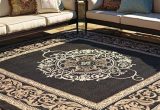
Outdoor rugs should be rolled rather than folded where possible, and their storage spot should be dry, elevated and protected from sharp edges. Umbrellas need to be fully dry before being closed; otherwise, mildew can form inside the canopy. Remove detachable glass panels or lightweight décor before strong weather arrives.
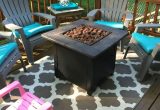
If the patio includes a fire pit, leave sufficient clearance around stored furniture and keep cushions well away from sparks. Heat-resistant paving can support a safer arrangement, and these fire pit material options provide useful guidance when planning a durable outdoor entertaining area.
Build A Practical Storage Routine
A seasonal checklist keeps storage from becoming a rushed task. Start several days before the first forecast period of persistent rain, giving washed covers, cushions and timber time to dry fully. Label containers so that essentials such as chair pads, umbrella parts and outdoor lighting are easy to locate later.
Keep a small maintenance kit near the storage area with soft brushes, spare ties, suitable touch-up paint and furniture-safe cleaner. Photograph complicated settings before dismantling them, particularly modular sofas or gazebos with several connecting parts. This saves time when the patio is reopened.
Useful habits for an organised winter setup include:
- Clean and dry every item before covering or packing it.
- Use breathable covers with secure fastenings instead of loose plastic sheets.
- Raise stored furniture and boxes above damp floors.
- Check cushions, covers and sheds periodically for mould or pests.
- Keep heavy furniture stable and avoid unsafe overhead lifting.
- Record damaged parts so repairs can be completed before spring.
Thoughtful storage does not require a large shed or expensive built-in cabinetry. A combination of breathable covers, elevated shelving, labelled containers and sensible maintenance can protect an outdoor setting through wet, windy and humid conditions. The result is a cleaner patio, longer-lasting furniture and less work when warmer weather returns.
For further ideas covering patios, outdoor furnishings and home improvement projects, explore French Creative and plan a storage arrangement that suits the space, climate and character of your Australian home.