Nuloom Outdoor Rugs
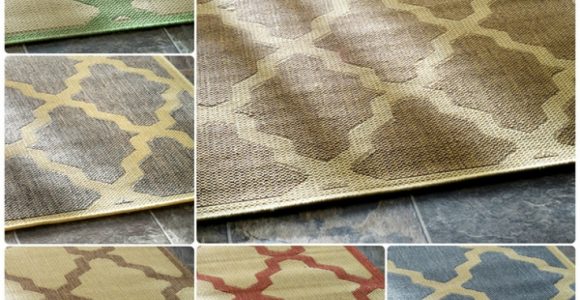



Nuloom Outdoor Rugs with pictures released for to offer the concepts to influence enhancing your home. This post of Nuloom Outdoor Rugs have of our collection pictures as well as gallery for embe...
Nuloom Outdoor Rugs with pictures released for to offer the concepts to influence enhancing your home. This post of Nuloom Outdoor Rugs have of our collection pictures as well as gallery for embe...
A fire pit can turn an ordinary patio into a comfortable gathering place, but the surface around it must handle heat, sparks, shifting temperatures, and regular foot traffic. The right pavers create a defined seating area while protecting the ground and giving the landscape a polished, permanent appearance.
When choosing pavers for a fire pit circle, look beyond color and shape. Material density, installation method, drainage, and the distance between the flames and surrounding surfaces all affect safety and durability. A beautiful patio can still crack or stain if it is built with products that are unsuitable for high-heat outdoor use.
The best design usually combines a non-combustible base, heat-tolerant masonry, and enough room for chairs and safe movement. With thoughtful planning, the fire feature can become a natural extension of a patio, garden path, or landscaped entertaining area.
The fire pit should sit on a stable, non-combustible surface rather than directly on grass, mulch, timber decking, or a raised wooden platform. A circular paver area helps contain loose embers and prevents furniture legs from sinking into soft ground. It also makes sweeping ash and clearing leaves much easier.
Leave a generous buffer between the fire bowl and the seating edge. A compact circle may suit a small yard, but a larger arrangement is more comfortable for guests and provides space for chairs without placing fabric, cushions, or clothing too close to the flames. Check local fire regulations before building, especially where minimum distances from fences, structures, and tree branches apply.
The center can hold a steel, cast-iron, or masonry fire bowl, while the pavers form the surrounding ring. A purpose-built insert is preferable to an open fire placed directly on paving because it controls the flame and keeps hot coals contained. Never assume that a paver alone makes an unsafe fire location acceptable.
High-quality concrete pavers are among the most practical choices for a fire pit patio. They come in many sizes, from small cobbles to large-format slabs, and can imitate natural stone, aged brick, or poured concrete. Their predictable dimensions make it easier to create a clean circle or a series of concentric rings.
Concrete is generally non-combustible and handles normal outdoor heat well when installed over a properly compacted base. However, sudden extreme temperature changes can cause cracking, particularly if a very hot fire bowl rests directly on a thin paver. Use a heat shield or raised metal bowl with feet to reduce concentrated heat transfer.
Color also matters. Charcoal, mid-gray, and earth tones disguise soot and occasional ash better than very pale finishes. Textured surfaces provide traction when rain, spilled drinks, or frost make smooth paving slippery. Choose products rated for exterior use and, in cold climates, select freeze-thaw-resistant pavers with a suitable water absorption rating.
Granite, dense bluestone, and some types of sandstone can produce an elegant, long-lasting fire pit surround. Granite is especially useful where a refined appearance and strong resistance to abrasion are priorities. Its substantial weight helps create a stable installation, and its varied mineral patterns work well with modern or rustic landscaping.
Natural stone is not automatically heat-proof. Some stones contain moisture, layers, or mineral structures that may split when exposed to intense direct heat. Avoid placing random thin pieces of fieldstone inside the flame zone unless they have been specifically tested for fire use. A certified fire-rated liner should form the inner wall of a masonry pit.
Bluestone and dark granite can become very hot in full sun, so consider the surrounding climate and how the area will be used during summer. For the walking ring, a lightly textured finish is safer than highly polished stone. Sealing may help resist food, grease, and soot stains, but use a breathable outdoor sealer recommended for the specific stone.
| Material | Heat Performance | Design Character | Main Consideration |
|---|---|---|---|
| Concrete pavers | Reliable for surrounding areas | Flexible colors and patterns | Protect from concentrated heat |
| Granite | Very durable and dense | Refined, natural variation | Higher cost and heavy handling |
| Bluestone | Good for patio surrounds | Blue-gray, contemporary look | Can absorb heat in direct sun |
| Brick pavers | Good when properly fired | Warm, traditional appearance | Mortar and joints may need maintenance |
| Porcelain pavers | Heat-resistant as a non-combustible surface | Clean, modern finishes | Requires careful installation and edge support |
| Cast concrete blocks | Suitable for fire pit walls | Rustic and substantial | Must be rated for fire pit construction |
Fired clay brick is a classic material for circular fire pit designs. Its warm red, brown, or gray tones complement planting beds, gravel paths, and traditional homes. Brick can be arranged in radial patterns around a round fire bowl, producing a tailored appearance without requiring large slabs to be cut into curves.
Use paving brick designed for outdoor ground applications rather than thin interior brick veneer. Properly fired units are non-combustible and can tolerate outdoor temperature changes, although individual bricks may eventually crack after repeated exposure to severe heat. The inner fire ring should still use a rated liner or firebrick where flames and embers are concentrated.
Mortar joints need special attention. Standard mortar may deteriorate when exposed to high temperatures and moisture cycles. For a permanent raised pit, use a refractory mortar system where the manufacturer specifies it. For a flat seating circle, a flexible jointing sand system may be easier to repair and less vulnerable to small movements.
Outdoor porcelain pavers offer a crisp, contemporary alternative to stone and concrete. They are dense, stain-resistant, and usually non-combustible, making them attractive around a fire feature when installed correctly. Their low porosity helps prevent soot and spilled beverages from penetrating deeply into the surface.
The installation must be precise because porcelain is less forgiving than ordinary concrete pavers. It needs a firm, level base and adequate support beneath every unit. Avoid unsupported overhangs around the fire bowl, and use the cutting equipment recommended for thick outdoor porcelain. A qualified installer can also create curved edges without leaving weak, narrow pieces.
Manufactured stone and cast concrete wall blocks are useful for raised fire pit rings. They provide a substantial look and can coordinate with retaining walls or garden edging. Confirm that the selected product is intended for fire pit construction; decorative landscaping blocks may not tolerate direct flame or the expansion caused by heat.
For homeowners planning several exterior upgrades, the broader ideas at French Creative can help connect a new fire pit with paving, outdoor furniture, shade structures, and the rest of the garden scheme.
Even the best heat-resistant paving can fail when installed on unstable soil. Remove turf and organic material, then excavate deeply enough for a compacted aggregate base, bedding layer, and paver thickness. The exact depth depends on soil conditions, climate, and whether the area will carry only pedestrians or heavier equipment.
Compact crushed stone in several thin lifts rather than spreading one deep layer and compacting it once. Add a leveling layer of coarse sand or suitable bedding material, then place the pavers with consistent joints. A slight fall away from the center helps rain drain without creating an uncomfortable slope around chairs.
Drainage is especially important beneath a fire pit because trapped water can freeze, expand, and weaken the paving assembly. If the center uses a solid pan, make sure rainwater cannot collect beneath it. A gravel-filled drainage zone or a properly designed permeable base can reduce puddling in areas with heavy rainfall.
Avoid using loose decorative gravel as the only surface directly beneath chairs if a stable seating area is important. Pea gravel is inexpensive and non-combustible, but it shifts under furniture and can scatter beyond the circle. It can work as a border around rigid pavers, providing contrast and improving drainage.
A strong edge restraint keeps circular pavers from spreading outward over time. Steel, aluminum, concrete, or stone edging can hold the perimeter in place, depending on the landscape style. Concealed restraints create a clean look, while visible stone edging can make the fire pit area feel more architectural.
Joint material affects maintenance and safety. Polymeric sand can reduce weed growth and insect activity, but it must be installed on completely dry pavers and activated with the correct amount of water. Ordinary sand is easier to refresh but may wash out during storms. Mortared joints create a fixed appearance yet can crack as the ground moves.
Keep combustible finishes away from the fire zone. Wood chips, bark mulch, synthetic turf, and plastic edging should not touch the fire pit surround. If the circle borders a lawn, install a clear hardscape transition or a strip of gravel. Outdoor lighting, umbrellas, and shade structures should also be positioned so heat and sparks cannot reach them.
The same practical approach used for other outdoor improvements applies here: durable materials, sensible clearances, and a design that suits daily use. For example, guidance on building an awning frame can be useful when coordinating shade and shelter near, but safely apart from, a fire pit seating area.
Before purchasing materials, compare the fire pit design with the site’s soil, weather, maintenance needs, and architectural style. A modest concrete paver circle may outperform expensive stone if the ground moves frequently or the area will be rearranged often.
Use this checklist when planning the project:
A well-built fire pit circle should feel comfortable when the fire is lit and attractive when it is not. Coordinate the paver color with the home’s facade, patio furniture, fencing, and planting palette, then soften the hardscape with low, fire-safe landscaping placed beyond the clearance zone.
Review product specifications before ordering, especially for natural stone, porcelain, and wall blocks. Once the foundation and fire-rated components are selected correctly, the remaining choices—pattern, color, edging, and seating—can express the character of the property. Start with a measured layout, choose materials designed for outdoor heat and weather, and build a gathering place that can be enjoyed season after season.
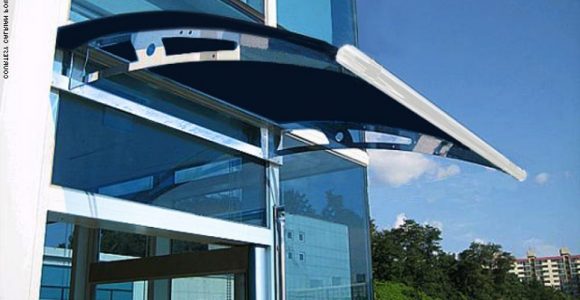

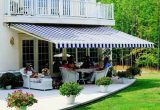
Awning definition, What is an awning? An awning is a cover made from canvas to sanctuary individuals or things from rain or sunlight, usually one will certainly use words awning about a roof-l...
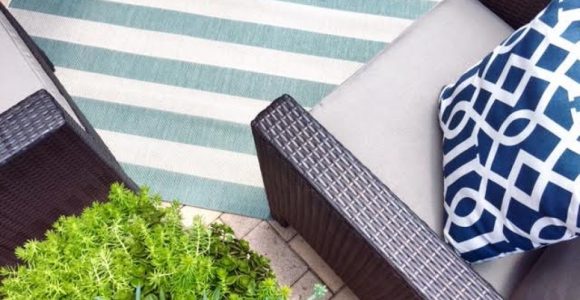


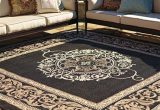
Frontgate outdoor rugs. These days embellishing does not have to be regarding custom-made, it could be regarding where to discover it currently and also exactly how to make it function for you. T...


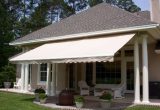


Retractable awning prices is influenced in various other means, too. On-line assemblers bill delivery costs, however this is more than balanced out by the reality they don't charge sales tax (bes...

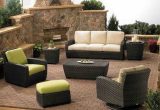



bed bath and beyond outdoor rugs (additionally called location rugs) not just include to the appearance of a space, yet likewise develop a setting including form, shade, and structure. Residence ...