Nuloom Outdoor Rugs




Nuloom Outdoor Rugs with pictures released for to offer the concepts to influence enhancing your home. This post of Nuloom Outdoor Rugs have of our collection pictures as well as gallery for embe...
Nuloom Outdoor Rugs with pictures released for to offer the concepts to influence enhancing your home. This post of Nuloom Outdoor Rugs have of our collection pictures as well as gallery for embe...
A narrow garden bed can turn an overlooked boundary into a productive, attractive part of the backyard. Building a raised garden bed along a fence line creates a defined growing area for herbs, vegetables, flowers or screening plants while keeping the rest of the outdoor space easier to maintain. It is particularly useful in compact Australian gardens, where every sunny strip of ground needs to work hard.
The project looks simple, but the position beside a fence introduces a few important considerations. The bed must allow air to circulate around the fence, provide reliable drainage, avoid pushing soil or water against posts, and remain accessible for planting and repairs. A well-planned structure can improve the appearance of a patio or courtyard without shortening the life of the boundary fence.
Before buying timber and soil, study the site at different times of day. Note the direction of prevailing winds, the path of summer sun, nearby downpipes and the amount of rain that reaches the fence line. In Sydney and Brisbane, intense rainfall can expose drainage weaknesses quickly, while Melbourne gardeners may need to maximise winter light in a narrow side yard.
Start by deciding whether the raised planter will sit directly beside the fence or leave a narrow service gap. A gap of around 100 to 300 millimetres is often valuable because it lets you inspect posts, clear leaves and paint or replace fence components later. It also prevents wet soil from staying pressed against timber or masonry.
Check the fence ownership and the position of the legal boundary before digging. In Australia, dividing fences are generally covered by state and territory rules, but responsibilities and approval requirements can vary between councils. A permanent structure may also need attention if it is close to an easement, retaining wall or shared access route. Contact the local council if the bed will be unusually high or will hold back sloping ground.
Measure the available length and keep the width manageable. A bed between 600 and 900 millimetres wide can usually be reached from one side, while a deeper structure becomes difficult to weed without stepping into it. If the fence blocks access to the rear, avoid creating a narrow trough that cannot be repaired once filled.
The fence itself should complement the garden rather than disappear behind it. Horizontal timber, rendered masonry and dark metal can all work with a planted border, and these fencing styles offer useful inspiration when the boundary is part of a broader outdoor design.
Treated pine is widely available and economical in the Australian home improvement market, making it a practical choice for a first raised bed. Select timber rated for in-ground or exterior use where appropriate, and check the product information before cutting. Hardwood, recycled plastic lumber, galvanised steel and masonry blocks can provide longer service, although their price and installation time will differ.
Avoid using old painted or chemically treated boards unless you know their history. Salvaged timber may contain residues that are unsuitable for food-growing areas, and railway sleepers can be heavily treated or contaminated. For edible plants, use purpose-made garden edging or new materials clearly identified for landscaping.
Metal beds suit contemporary courtyards and narrow side passages, but they can heat up in full western sun. In Perth, Adelaide and inland areas, a dark steel planter may need mulch, regular irrigation and heat-tolerant crops to prevent root stress. Lighter finishes and partial afternoon shade can reduce temperature swings.
A raised bed should be strong enough to hold damp soil without bowing. Boards around 200 to 300 millimetres high are suitable for many vegetables, while deeper beds are better for root crops or where improved access is needed. Use exterior-rated screws, sturdy corner posts and corrosion-resistant fixings, especially near coastal areas such as Newcastle, Wollongong or Geelong.
Clear weeds and unwanted roots from the footprint, then mark the outline with string. The ground does not need to be perfectly level, but a reasonably even base makes the frame more stable. On a slope, step the bed down in sections rather than forcing one long box to sit at an angle.
Assemble the frame on the ground where possible. Pre-drill holes near timber ends to reduce splitting, then fasten the boards to corner posts. For a long planter, add intermediate supports or cross-braces so the sides remain straight after soil and compost are added.
Do not attach the planter to the fence unless the design has been specifically engineered for that purpose. A fence is built to separate properties, not to carry the sideways pressure of a soil-filled structure. Keep the raised bed independently supported, and leave enough room to inspect the lower fence rails and posts.
If the bed must sit close to the boundary, install a durable liner on the fence-facing side. A sheet of heavy-duty plastic or a suitable waterproof membrane can reduce direct contact between moist soil and timber, but it should not trap water against the fence. The liner should direct moisture toward the bed’s drainage layer rather than behind the structure.
Good drainage is the difference between a productive planter and a waterlogged box. Place the bed on open soil where water can disperse, or create adequate drainage holes if it sits on concrete or paving. Do not rely on a sealed base unless the planter is specifically designed as a container garden.
Fill the bed in layers with quality soil, compost and well-rotted organic matter. A typical mix might include garden soil for structure, compost for nutrients and a free-draining material such as aged pine bark. Avoid filling the entire box with compost, as it can settle significantly and may hold too much water.
Keep the finished soil level slightly below the rim to prevent runoff onto the fence or paving. After filling, water the bed slowly and top it up as the material settles. Mulch the surface with sugarcane mulch, lucerne or fine bark, keeping it a few centimetres away from timber edges and plant stems.
Drip irrigation or porous hose is more efficient than hand-watering a long narrow bed. Connect it to a timer and adjust the schedule seasonally rather than watering automatically every day. Many Australian households already try to reduce outdoor water use during hot periods, and local restrictions may limit watering times or sprinkler use, particularly in parts of Victoria, New South Wales, South Australia and Western Australia.
Match plants to the light available beside the fence. A north-facing boundary can receive strong sun in winter and summer, while an east-facing position generally offers gentler morning light. A tall fence may create deep shade, so observe the area before choosing tomatoes or other crops that need several hours of direct sun.
Use the height of the bed to make maintenance easier, but do not create a wall of vegetation that blocks windows or overwhelms a small patio. Combine upright plants with low herbs and trailing flowers. In warmer regions, basil, chillies, eggplant and native culinary herbs can thrive in sunny beds, while cooler Melbourne conditions suit leafy greens, peas and winter brassicas.
For a productive, attractive planting scheme, group plants according to water and sunlight needs:
Leave space between plants for airflow, especially in humid Queensland and northern New South Wales. Crowded foliage stays damp for longer and can encourage fungal problems. Train climbers onto a freestanding trellis rather than directly onto the fence, since vines can add weight, conceal damage and make painting difficult.
A narrow bed can also support screening without becoming invasive. Choose compact varieties with non-aggressive roots, and check their mature size before planting. Bamboo, running grasses and vigorous creepers can quickly escape their intended area and create conflict with paths, drains or neighbouring properties.
The rim of the planter should be comfortable to touch and safe around children. Sand sharp timber corners, cover exposed fixings and consider a broad cap rail if the bed doubles as casual seating. A cap also helps protect the top of the frame from repeated wetting and drying.
Think about the relationship between the raised bed and the rest of the outdoor room. Matching the planter finish to a deck, pergola or paving can make the garden feel deliberate rather than improvised. Pale timber can brighten a shaded courtyard, while charcoal steel or painted boards can echo modern doors and window frames.
Before adding plants, complete the small details that make daily care easier:
A slim strip of gravel between the bed and fence can improve drainage and make maintenance simpler. It also creates a visual break that highlights the fence while discouraging weeds. Where paving is already present, check that runoff cannot collect at the base of the structure after storms.
Budget realistically for timber, fixings, soil, compost, mulch and irrigation rather than planning around lucky bonus numbers. Buying soil in bulk may be cheaper for a long bed, but bags are easier when access is limited. Compare delivered cubic-metre prices with local landscape suppliers and calculate the volume before ordering.
A raised bed beside a fence needs occasional inspection, even when the plants are thriving. Check for timber rot, loose fixings, ant nests, blocked drainage and soil movement after heavy rain. Look behind the structure at least twice a year so small problems do not become expensive fence repairs.
Refresh the planting in stages instead of emptying the entire bed each season. Rotate leafy greens, legumes and fruiting crops where space allows, and replenish the top layer with compost. Avoid placing the same disease-prone crop in the same corner year after year.
Prune plants before they become tangled with the boundary. Remove dead foliage, guide stems onto their support and keep irrigation lines visible. If the fence needs staining, painting or replacement, the ability to temporarily move a few pots or trim a plant will save considerable effort.
With a strong independent frame, sensible drainage and a planting plan suited to the local climate, the unused strip beside a fence can become one of the most valuable parts of a garden. Gather your measurements, select materials that suit the site and build the bed in manageable stages, then fill it with plants that make everyday outdoor living more useful and enjoyable.

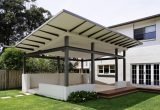
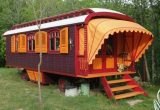
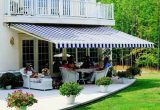
Awning definition, What is an awning? An awning is a cover made from canvas to sanctuary individuals or things from rain or sunlight, usually one will certainly use words awning about a roof-l...



Frontgate outdoor rugs. These days embellishing does not have to be regarding custom-made, it could be regarding where to discover it currently and also exactly how to make it function for you. T...



Retractable awning prices is influenced in various other means, too. On-line assemblers bill delivery costs, however this is more than balanced out by the reality they don't charge sales tax (bes...


bed bath and beyond outdoor rugs (additionally called location rugs) not just include to the appearance of a space, yet likewise develop a setting including form, shade, and structure. Residence ...