Nuloom Outdoor Rugs
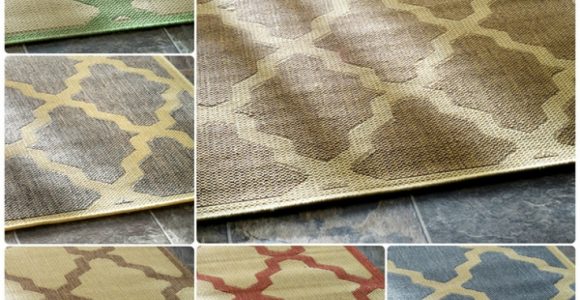


Nuloom Outdoor Rugs with pictures released for to offer the concepts to influence enhancing your home. This post of Nuloom Outdoor Rugs have of our collection pictures as well as gallery for embe...
Nuloom Outdoor Rugs with pictures released for to offer the concepts to influence enhancing your home. This post of Nuloom Outdoor Rugs have of our collection pictures as well as gallery for embe...
Living near the Australian coast brings bright light, sea breezes and an easy connection to outdoor spaces. It also exposes a fence to salt spray, strong ultraviolet radiation, sandy soil and sudden wind gusts. A material that performs well in an inland suburb may fade, corrode or loosen quickly beside the ocean.
Choosing a coastal fence involves more than selecting a colour from a sample board. The posts, rails, fixings, footings and finish all need to work together. Wind load can place significant pressure on wide, solid panels, while salt-laden moisture attacks exposed metal and poorly sealed timber.
Homeowners in places such as Newcastle, the Gold Coast, Perth’s western suburbs and the Mornington Peninsula often need a balance between privacy and airflow. A completely solid barrier can create a large sail effect, while an open design may provide enough screening without placing excessive stress on the structure.
The best result is a fence that suits the house, landscape and local conditions for many years. Practical guidance from French Creative can help shape the wider outdoor design, while the material choice should reflect the distance from the water, prevailing winds and amount of maintenance you are prepared to handle.
The term “coastal” covers a wide range of environments. A property directly exposed to surf and prevailing winds faces a harsher setting than a home several streets back from the beach. Salt carried through the air can settle on panels, hinges and fasteners, then attract moisture and accelerate corrosion.
Wind direction matters as well. A fence along an exposed western boundary in Perth may experience a different pattern from a home in a sheltered Sydney harbour suburb. Northern Queensland properties also need to consider cyclonic conditions, where engineering, anchoring and council requirements can be more demanding than for a standard suburban fence.
Inspect the block before deciding on a style. Note whether the boundary is elevated, whether nearby buildings offer shelter and whether the fence will sit beside irrigation, a swimming pool or dense planting. These details affect moisture levels and may determine whether a low-maintenance metal fence or a more breathable timber design is suitable.
Aluminium is widely used for coastal fencing because it does not rust like ordinary steel and is relatively light to install. A quality powder-coated finish creates a durable surface in colours ranging from soft grey and white to darker charcoal tones that suit contemporary Australian homes.
Look for a system designed for exterior and marine-adjacent use rather than a basic decorative product. The coating should be even, well bonded and applied after the aluminium has been properly prepared. Scratches, cut edges and drill points still require attention, because exposed areas can collect salt and grime.
Aluminium slat fencing is particularly useful where privacy needs to be adjusted. Slats can be spaced to allow breezes through a front courtyard or pool area, reducing wind pressure compared with a fully solid panel. The profiles should be sized and supported appropriately, especially on a long boundary or an elevated site.
Use compatible fixings and avoid mixing metals carelessly. Stainless steel screws and brackets are generally preferable, with marine-grade 316 stainless steel offering better protection in severe salt environments than lower-grade alternatives. Rinsing the fence periodically with fresh water helps remove salt deposits before they become a persistent problem.
Steel fencing provides strength and a broad range of profiles, including tubular panels, privacy screens and Colorbond-style sheets. It can be a sensible choice for a coastal home when the steel is properly galvanised, the protective coating is intact and the design allows for regular inspection.
Colorbond fencing is familiar across Australian suburbs because it is fast to install, provides privacy and comes in colours that coordinate with roofing and outdoor structures. It can perform well away from direct surf, but properties close to the shoreline should use products and detailing suited to the exposure level. Cut edges, buried sections and damaged surfaces deserve particular care.
Avoid assuming that a thick-looking steel panel is automatically corrosion resistant. Saltwater environments expose weak points in welds, post caps, screws and bottom rails. Ask the installer how the posts will be protected, whether the selected system is recommended for the local area and how replacement panels can be sourced if damage occurs.
Open tubular steel fencing may offer better wind performance than solid sheeting, especially on a side boundary. However, ordinary painted steel can deteriorate at welds and joins if the preparation is poor. A well-specified hot-dip galvanised or marine-suitable system is a safer long-term investment than a cheaper product with an attractive initial price.
Timber remains popular for beach houses, weatherboard homes and gardens with a relaxed, natural character. Hardwood slats, battens and pickets soften the appearance of concrete paving and metal cladding, creating a fence that feels connected to the landscape.
Suitable hardwoods can be durable, yet no timber fence is maintenance free beside the sea. Salt, intense sun and repeated wetting and drying can cause greying, surface checking, cupping and splitting. Applying a penetrating exterior oil or stain can slow weathering, although it must be renewed according to the product and the site conditions.
The design should keep timber clear of constant ground contact and allow air to circulate around each board. Posts need appropriate protection at their bases, while horizontal surfaces should shed water rather than hold puddles. Stainless steel or high-quality galvanised fixings help prevent rusty stains and premature failure around screw holes.
Treated pine may suit a budget-conscious boundary, but the treatment level and use must match the application. Do not rely on a general-purpose product for a highly exposed coastal site without checking its rating and installation requirements. Responsibly sourced hardwood or a durable composite can provide a better balance of appearance, service life and environmental considerations.
Composite fencing made from recycled plastics and wood fibres can provide a timber-like appearance without regular oiling. It resists rot and insect attack, and some systems retain colour more consistently than natural timber under strong Australian sun. The quality varies, so check the manufacturer’s warranty, UV testing and coastal suitability.
PVC and vinyl fencing are also resistant to rust and will not absorb water like timber. They can be useful for white picket styles, pool boundaries or low-maintenance side fences. In hot climates, however, expansion and contraction need to be allowed for during installation. Poorly supported panels may warp or become noisy in strong winds.
These materials are not automatically the best choice for an exposed oceanfront block. Some lightweight systems can be vulnerable to impact, distortion or uplift if posts are undersized. Confirm how the fence is anchored and whether the product has been tested for the wind classification that applies to the property.
Composite boards can also look more substantial than they really are. A good installation uses strong posts, suitable rails and carefully spaced panels rather than treating the boards as structural elements. This distinction is important where a fence needs to screen a pool, courtyard or outdoor entertaining zone.
A coastal fence should manage wind instead of simply blocking it. Slatted panels, spaced battens and decorative openings allow some air to pass through. Adjustable gaps can provide privacy at eye level while keeping the upper section more open, a useful approach for balconies, front gardens and narrow side paths.
Solid fences still have a place, particularly where a home needs screening from a busy road or neighbouring property. Break long runs into visually lighter sections with posts, planting or changes in height. This can reduce the sense of a continuous wind-catching wall and make the boundary look more considered.
Strong footings are essential on sandy or shifting ground. Concrete sizes and embedment depths should reflect the soil, fence height, panel weight and local wind conditions. On sloping blocks, stepped sections are usually more stable and visually neater than forcing panels to follow an uneven line.
In cyclone-prone areas of northern Australia, use a qualified installer and follow the relevant engineering and council requirements. Even outside cyclone zones, local wind classifications and boundary rules can affect the correct construction. A licensed tradie should be able to explain the proposed footing, post spacing and connection details rather than quoting only a price per metre.
Fencing works best when it supports the way the outdoor area is used. A low aluminium boundary can frame a front garden without hiding it, while a taller side fence can create privacy around a deck or barbecue area. Near a pool, the design must meet Australian safety regulations, including requirements for height, climbable zones and self-closing gates.
Planting can soften a durable fence, but avoid placing dense vegetation directly against metal or timber. Leaves trap moisture and salt, roots may disturb footings, and branches can scrape protective coatings during windy weather. A narrow planting strip with salt-tolerant species gives the boundary room to dry and remain accessible for maintenance.
For small suburban backyards, thoughtful planting can provide screening without requiring a tall, solid fence. A shade tree guide may help when planning greenery around a boundary, particularly where afternoon sun makes a paved courtyard uncomfortable. Keep mature canopy size and root behaviour in mind before planting close to posts.
Coordinate fence colours with paving, awnings, outdoor rugs and the home’s facade. A charcoal screen may connect with window frames, while pale timber tones can complement sandstone, rendered walls or coastal garden planting. This broader approach prevents the fence from feeling like an afterthought.
Even corrosion-resistant materials benefit from routine care. Rinse exposed fencing with clean water every few months, and do so more often after storms or periods of strong onshore wind. Use a soft brush and mild detergent for stubborn salt film, avoiding abrasive pads that can damage powder coating or painted surfaces.
Check for bubbling paint, white corrosion residue, loose screws, cracked welds and movement at the base of posts. Early repairs are usually far less expensive than replacing a whole run. Pay close attention to gate hinges and latches, which receive frequent use and can fail before the fence panels show obvious damage.
Timber should be inspected for splitting, end-grain moisture and fungal growth. Recoat before the surface becomes severely weathered. For steel and aluminium, replace incompatible or rusting fasteners with suitable marine-grade hardware instead of covering the problem with paint.
Ask for written care instructions and keep records of the product brand, colour and installation date. This makes future repairs easier and helps preserve warranty coverage. Spending a little time on cleaning and inspection can keep a coastal boundary attractive, secure and serviceable for much longer.
A successful coastal fence combines the right material with sound detailing, suitable footings and a realistic maintenance routine. Compare aluminium, coated steel, timber, composite and PVC against the exposure of your site, then obtain quotes that clearly describe posts, fixings, finishes and installation methods. Work with an experienced local fencing professional to create a boundary that handles salt and wind while improving privacy, safety and everyday enjoyment of your Australian home.



Awning definition, What is an awning? An awning is a cover made from canvas to sanctuary individuals or things from rain or sunlight, usually one will certainly use words awning about a roof-l...


Frontgate outdoor rugs. These days embellishing does not have to be regarding custom-made, it could be regarding where to discover it currently and also exactly how to make it function for you. T...

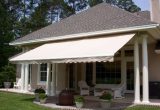


Retractable awning prices is influenced in various other means, too. On-line assemblers bill delivery costs, however this is more than balanced out by the reality they don't charge sales tax (bes...

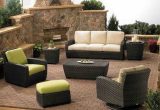



bed bath and beyond outdoor rugs (additionally called location rugs) not just include to the appearance of a space, yet likewise develop a setting including form, shade, and structure. Residence ...