Nuloom Outdoor Rugs
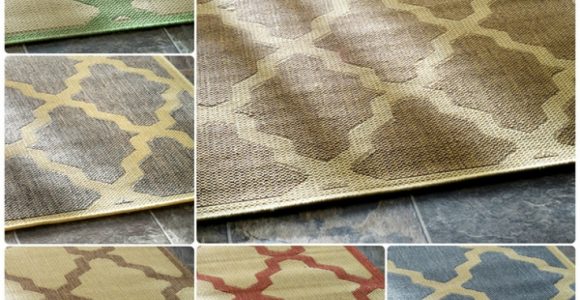



Nuloom Outdoor Rugs with pictures released for to offer the concepts to influence enhancing your home. This post of Nuloom Outdoor Rugs have of our collection pictures as well as gallery for embe...
Nuloom Outdoor Rugs with pictures released for to offer the concepts to influence enhancing your home. This post of Nuloom Outdoor Rugs have of our collection pictures as well as gallery for embe...
A small suburban backyard can become noticeably cooler and more comfortable with the right tree. A well-placed canopy filters harsh summer sunlight, softens neighbouring views and creates a natural setting for outdoor dining, play or quiet afternoon reading. The best choice will depend on the available planting space, local climate and the amount of maintenance you are prepared to manage.
Tree selection matters more in a compact garden because every mature branch, root and fallen leaf has an effect on nearby paving, fences and buildings. A species that looks modest at a nursery may eventually spread across a roof or shade a vegetable bed. Checking its mature height and canopy width is essential before bringing it home.
Australian conditions add another layer to the decision. A backyard in Brisbane may need a heat-tolerant evergreen, while a Melbourne garden can make excellent use of a deciduous tree that allows winter sun through. Coastal wind, dry summers in Adelaide and Perth, and frost in Canberra all call for slightly different planting strategies.
Shade should also work with the way the space is used. Many Australian households rely on the backyard for barbecues, weekend entertaining and relaxed outdoor living, so a tree needs to provide comfort without blocking access or damaging a patio. With careful planning, even a narrow garden can support a beautiful small-canopy tree.
The most useful measurement is the tree’s mature spread, not its height at purchase. Look for compact or small ornamental trees with a canopy that can be maintained well inside the property boundary. A mature width of three to five metres is often more manageable than a broad species that eventually crowds a shed, pool or neighbouring fence.
Planting distance depends on the species, soil and nearby structures, but keeping the trunk several metres from walls and paved areas is a sensible starting point. Trees with aggressive or surface-level roots may lift pavers, enter drainage lines or compete with garden beds. This is particularly important in older suburban blocks where patios, retaining walls and pipes occupy much of the yard.
Overhead power lines deserve equal attention. A tree planted beneath wires may require repeated pruning or removal later, so check the service corridor before digging. Local councils can also have rules for protected trees, significant pruning and planting near footpaths. A visit to the council website or a conversation with a qualified arborist can prevent an expensive mistake.
For a very tight courtyard, consider a tree with a naturally narrow crown or a multi-stemmed specimen that can be shaped while young. Avoid relying on severe pruning to keep a naturally large tree small. Regular light formative pruning is healthier and usually produces a more attractive structure than repeated heavy cutting.
Crepe myrtle is a strong choice for many suburban yards. It offers attractive summer flowers, colourful autumn foliage in cooler regions and a relatively tidy branching habit. Smaller cultivars suit Melbourne, Sydney, Adelaide and many inland areas, although they will need consistent watering while establishing. Their deciduous canopy allows winter sunlight to reach a seating area or living room.
Japanese maple brings fine foliage and an elegant form to sheltered gardens, especially in cooler parts of Victoria, Tasmania, Canberra and the southern tablelands. It prefers protection from harsh afternoon sun, hot drying winds and reflected heat from concrete. In warmer districts, it is best planted where it receives gentle morning light and regular moisture rather than exposed western sun.
For warmer coastal and subtropical areas, tuckeroo can provide useful evergreen shade without the scale of a traditional rainforest tree. This Australian native is suited to many Sydney and Brisbane gardens, tolerates coastal conditions and produces dense foliage. It still requires enough room to mature, so choose a compact form where available and allow air circulation around the canopy.
Water gum is another adaptable native option for a suburban setting. It has glossy foliage, a neat appearance and a reputation for coping with a range of conditions once established. It can be useful near a lawn or entertaining zone, provided the soil drains well and the selected cultivar matches the available space. Local native nurseries can often recommend forms that perform better in the region than generic garden-centre stock.
Small citrus trees can combine filtered shade, fragrance and edible fruit. Lemon, lime, mandarin and cumquat trees are particularly useful beside a patio or lawn, though they need sunlight, feeding and regular water. They are better for partial shade and atmosphere than for creating a deep, broad canopy, and fallen fruit should be cleared from paths to prevent slippery surfaces.
Start by observing the backyard through the day. A west-facing wall or patio may receive intense afternoon heat, while a northern position in Melbourne can benefit from a deciduous tree that shades windows in summer and loses its leaves in winter. In Brisbane, a location that avoids reflected heat from masonry may help young trees establish during humid summers.
Soil testing is worthwhile before planting. Heavy clay may need improved drainage and careful watering, while sandy soil can lose moisture quickly in Perth or coastal areas. Adding compost and organic matter helps, but avoid creating a rich pocket that encourages roots to remain in a small planting hole. The surrounding soil should gradually support healthy outward growth.
Water deeply and less frequently once the tree is established, rather than giving a shallow daily sprinkle. A broad layer of organic mulch helps protect roots from Australia’s heat, but keep mulch away from the trunk to reduce rot and pest problems. Drip irrigation can direct water to the root zone without wetting nearby paving or encouraging fungal issues on foliage.
Drought tolerance does not mean a tree needs no water. Every young tree needs reliable irrigation during its first seasons, particularly when planted in late spring or summer. In water-conscious gardens, choose regionally appropriate natives and use recycled water where permitted and suitable for the species. A local nursery can distinguish genuine low-water performers from plants that simply tolerate brief dry periods.
The ideal shade tree should make the backyard feel larger and more usable. Positioning a canopy beside, rather than directly over, a small dining setting can provide cooling shade while reducing leaf litter on the table. A tree at the end of a narrow lawn can also create a focal point and draw attention away from boundary fencing.
Think about how the tree will interact with paving. Fine roots and falling fruit can be troublesome beside a path, while delicate flowers may stain pale sandstone or concrete. A permeable mulch circle beneath the canopy is usually more forgiving than tightly surrounding the trunk with pavers. Leave enough open soil for rain to reach the roots.
Furniture scale matters in a compact garden. A lightweight table, stackable chairs and a bench can fit comfortably beneath filtered shade without competing with the tree’s form; ideas for compact patio furniture can help coordinate the seating area with a limited footprint. Keeping furniture movable also allows you to follow seasonal shade and protect surfaces from heavy weather.
Lighting should be planned before the tree becomes established. Low-voltage garden lights can highlight the trunk and canopy, while warm illumination around a seating area extends outdoor use after sunset. Keep cables, fixtures and irrigation lines away from the main root zone, and avoid attaching decorations or washing lines to the trunk.
Planting time varies across Australia, but autumn is often a practical season because the soil remains warm while cooler weather reduces stress. In frost-prone areas, wait until the risk of severe cold has passed for sensitive species. In tropical and subtropical districts, the wet season can support establishment, provided the soil drains freely.
Dig a broad hole rather than an excessively deep one. The root flare should remain level with, or slightly above, the surrounding ground so water does not pool against the trunk. Remove circling roots from container-grown plants, firm the soil gently and water thoroughly. A sturdy stake may be useful in windy locations, but it should be removed once the tree can stand independently.
Formative pruning during the first few years helps create a strong framework and keeps lower branches clear of paths and seating. Do not remove large limbs without professional guidance, especially near roofs or power lines. An arborist can identify weak branch unions and recommend pruning that preserves the tree’s natural shape.
Monitor the canopy, trunk and soil rather than following a rigid watering calendar. Wilting, leaf scorch, pest activity and slow growth can indicate heat stress, poor drainage or nutrient problems. In Sydney’s coastal suburbs, salt-laden wind may affect tender foliage; in Melbourne, sudden hot spells can damage trees that are usually considered low maintenance.
A shade tree is a long-term garden feature, so allow for future paving, renovations and changes in how the yard is used. Select a species that will remain attractive at its mature size, then support it with sensible watering, mulch and occasional pruning. Choose the right tree now, and your small backyard can gain cooler summer seating, stronger visual appeal and a more welcoming connection between the house and garden.
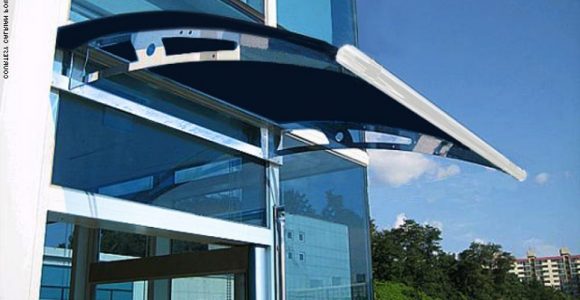
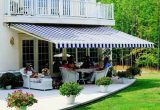
Awning definition, What is an awning? An awning is a cover made from canvas to sanctuary individuals or things from rain or sunlight, usually one will certainly use words awning about a roof-l...
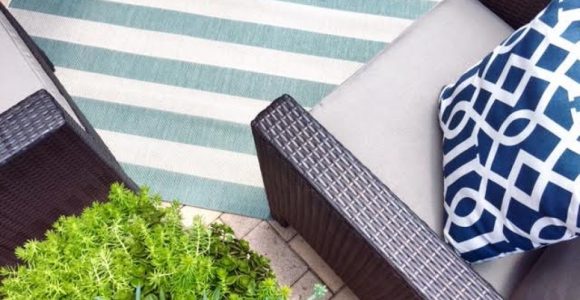


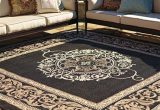
Frontgate outdoor rugs. These days embellishing does not have to be regarding custom-made, it could be regarding where to discover it currently and also exactly how to make it function for you. T...

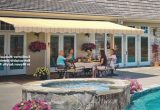
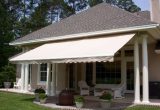


Retractable awning prices is influenced in various other means, too. On-line assemblers bill delivery costs, however this is more than balanced out by the reality they don't charge sales tax (bes...

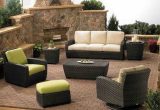
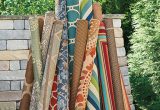
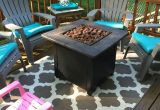
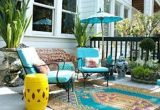
bed bath and beyond outdoor rugs (additionally called location rugs) not just include to the appearance of a space, yet likewise develop a setting including form, shade, and structure. Residence ...