Nuloom Outdoor Rugs
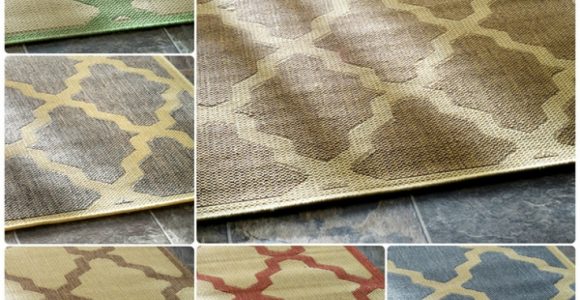



Nuloom Outdoor Rugs with pictures released for to offer the concepts to influence enhancing your home. This post of Nuloom Outdoor Rugs have of our collection pictures as well as gallery for embe...
Nuloom Outdoor Rugs with pictures released for to offer the concepts to influence enhancing your home. This post of Nuloom Outdoor Rugs have of our collection pictures as well as gallery for embe...
A compact patio can become a valuable extension of an urban home when every item earns its place. The right furniture creates room for morning coffee, casual meals, container gardening, and evening relaxation without making the outdoor area feel crowded. Scale, flexibility, and storage matter just as much as visual appeal.
Small balconies, narrow terraces, and modest paved yards often have awkward dimensions or limited access. Bulky seating may block doors, while heavy tables can make cleaning and seasonal rearrangement difficult. A successful layout begins with accurate measurements and a clear idea of how the space will be used most often.
Compact patio furniture should also cope with exposure to sunlight, rain, wind, and everyday spills. Durable finishes, breathable outdoor fabrics, and easy-to-move designs help create an outdoor living area that stays attractive through changing seasons.
Measure the usable floor area rather than relying on the overall property dimensions. Include door swings, steps, railings, drain covers, storage boxes, and the clearance needed to walk comfortably. A narrow passage should generally remain open, even if that means selecting a smaller chair or folding table.
Think about the primary activity before choosing individual pieces. A two-person dining set suits a patio used for breakfast and meals, while a compact loveseat and side table work better for reading or conversation. If the space serves several purposes, nesting tables, stackable stools, and folding chairs offer useful flexibility.
Leave enough room to pull out a chair and move around it safely. Furniture that technically fits but prevents natural movement will make the patio feel smaller. Keeping the center relatively open often produces a more spacious impression than filling every edge with decorative objects.
A small outdoor sofa can be comfortable, but it should have a slim frame and raised legs to avoid a heavy visual footprint. Loveseats measuring around 45 to 55 inches wide are often easier to place than full sofas. Armless lounge chairs, dining chairs with curved backs, and low-profile benches can provide additional seats without overwhelming a narrow terrace.
A bench is especially useful because it can sit flush against a wall and accommodate several people. Choose one with built-in storage if cushions, gardening tools, or outdoor games need a home. Folding chairs can be stored indoors when the patio is being used for plants, exercise, or entertaining.
Cushions deserve careful attention in exposed locations. Fabrics should resist fading, mildew, and moisture while remaining comfortable against the skin. For patios that receive strong gusts, review these high-wind fabric choices before buying loose cushions, umbrellas, or lightweight curtains.
Round café tables are excellent for compact urban spaces because their curved edges improve circulation. A 24- to 30-inch diameter table can provide a practical surface for two people without creating sharp corners beside a doorway. Square bistro tables are similarly efficient when positioned in a corner or against a wall.
Drop-leaf and folding tables offer more versatility. Keep the leaves folded for daily use, then open them when guests arrive. Nesting tables can serve as a coffee table, plant stand, or extra dining surface, and they can be separated across the patio when several people need somewhere to place a drink.
Material affects both appearance and maintenance. Powder-coated aluminum is lightweight and resistant to rust, while teak brings warmth and can weather naturally with regular care. Steel offers stability but may need protective treatment, especially in damp climates. Glass tabletops look light but require frequent cleaning and may be less suitable in homes with active children or strong winds.
| Furniture type | Best use | Space-saving advantage | Points to check |
|---|---|---|---|
| Folding bistro set | Meals for one or two | Stores flat or close to a wall | Check hinge quality and weather protection |
| Compact loveseat | Relaxing and socializing | Seats more than one chair in similar depth | Measure cushion thickness and door clearance |
| Storage bench | Seating and equipment storage | Combines two functions in one footprint | Look for ventilation and a watertight lid |
| Nesting tables | Drinks, plants, and guests | Smaller tables slide beneath larger ones | Confirm that the bases remain stable |
| Stackable chairs | Flexible entertaining | Several seats occupy one floor area | Choose lightweight but sturdy frames |
| Wall-mounted drop-leaf table | Very narrow balconies | Folds almost completely flat | Use suitable fixings for the wall material |
When floor space is limited, use walls, railings, and overhead structures for practical storage and decoration. A wall-mounted table can create a dining area that disappears after use, while slim shelves hold lanterns, herbs, or small gardening tools without reducing walking space.
Vertical planters add greenery at eye level and help soften hard paving. Select secure railing planters or freestanding ladder shelves designed for outdoor use, and consider how watering will affect walls and flooring. Lightweight containers are easier to move, but they may need additional ballast in windy areas.
A compact patio can also benefit from an awning or retractable shade covering. Shade improves comfort and protects furniture from intense sunlight, but the structure must suit the building and local conditions. Keep fabrics and mechanisms clean so that a small space remains bright rather than visually compressed.
A restrained palette helps a modest patio feel orderly. Choose one dominant material, one complementary finish, and a small number of accent colors. For example, charcoal metal, warm timber, and muted green cushions can create contrast without competing with plants or surrounding architecture.
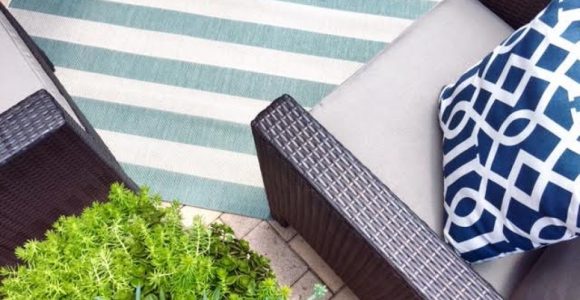
Texture adds interest when furniture quantities must remain low. Woven rope, ribbed ceramic, timber grain, and outdoor rugs can make a compact setting feel layered and comfortable. Use a rug that is proportionate to the seating area; an oversized design may cover too much paving, while a tiny mat can look disconnected from the furniture.
Light-colored upholstery can make an outdoor room appear larger, but pale fabrics require practical cleaning arrangements. Removable covers, washable cushion protectors, and a concealed storage box reduce maintenance. Avoid placing absorbent textiles directly against damp walls or beneath constantly dripping planters.
Accessories should support how the patio is used rather than fill empty spaces. A narrow side table may be more useful than a large coffee table, and a portable lantern can provide evening light without permanent wiring. Choose pieces that can be moved easily when the weather changes or guests need more room.
Outdoor rugs can define a seating zone and make concrete or paving feel warmer underfoot. Select a quick-drying, mold-resistant design with a low profile so doors open freely. If the existing surface has damage, deal with it before positioning a rug or furniture; guidance on repairing cracked concrete can help prevent small defects from becoming trip hazards.
Storage is central to long-term comfort. Cushions should be lifted off wet ground, and furniture covers should allow ventilation rather than trapping condensation. A slim deck box, wall hooks, or a storage bench can keep the patio ready for use without requiring a large shed.
The most attractive piece is not always the best fit. Prioritize furniture that can be carried through the home, assembled in a confined area, and maintained with ordinary household supplies. Check the weight, folded dimensions, warranty, replacement cushion availability, and care instructions before purchasing.
Before committing to a complete set, mark the furniture footprint on the patio with masking tape or cardboard. This simple test reveals whether chairs collide with doors, whether a table leaves enough legroom, and whether the chosen arrangement supports comfortable conversation.
Use these priorities when narrowing down options:
The best compact patio furniture is furniture that adapts to daily life. A folding table can support breakfast and then disappear, a storage bench can provide seating while concealing cushions, and stackable chairs can appear only when visitors arrive. These small adjustments preserve valuable floor area without sacrificing comfort.
Consider how the patio will look from inside the home as well as from outside. A tidy arrangement, coordinated materials, and carefully placed greenery can extend the sense of space through a glass door or window. Low furniture near the outer edge may preserve sightlines, while vertical plants can provide privacy without building a solid visual wall.
Invest in fewer, better-made pieces rather than filling the patio with temporary items that quickly fade or fail. With accurate measurements, weather-appropriate materials, and flexible layouts, even a narrow city terrace can become a comfortable outdoor room. Choose the essential pieces first, arrange them with generous circulation space, and build the rest of the design around how you want to live outdoors.


Awning definition, What is an awning? An awning is a cover made from canvas to sanctuary individuals or things from rain or sunlight, usually one will certainly use words awning about a roof-l...


Frontgate outdoor rugs. These days embellishing does not have to be regarding custom-made, it could be regarding where to discover it currently and also exactly how to make it function for you. T...




Retractable awning prices is influenced in various other means, too. On-line assemblers bill delivery costs, however this is more than balanced out by the reality they don't charge sales tax (bes...

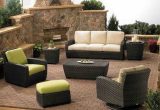

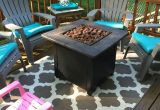

bed bath and beyond outdoor rugs (additionally called location rugs) not just include to the appearance of a space, yet likewise develop a setting including form, shade, and structure. Residence ...