Nuloom Outdoor Rugs
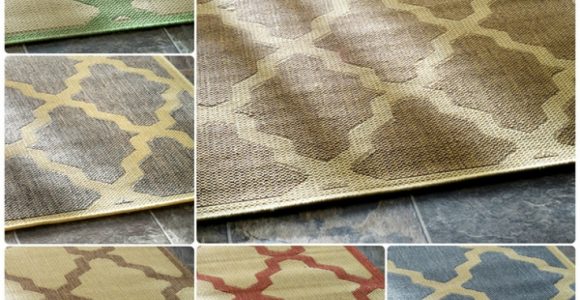



Nuloom Outdoor Rugs with pictures released for to offer the concepts to influence enhancing your home. This post of Nuloom Outdoor Rugs have of our collection pictures as well as gallery for embe...
Nuloom Outdoor Rugs with pictures released for to offer the concepts to influence enhancing your home. This post of Nuloom Outdoor Rugs have of our collection pictures as well as gallery for embe...
A pollinator garden is less about making every bed look continually abundant than it is about creating a dependable sequence of food. Choose colorful perennials that flower from late winter into autumn, then link them with foliage, shelter and water. The result can feel loose and abundant while still fitting neatly into a suburban boundary, courtyard or patio garden.
Pollinators do more than move pollen between obvious flowers. Native bees, honey bees, butterflies, moths, hoverflies, beetles and other insects may visit different flower shapes and colours. Open, shallow blooms can suit beetles and hoverflies, while tubular flowers suit long-tongued bees and butterflies. A layered planting plan gives these visitors choices across spring, summer and autumn instead of one concentrated highlight.
This matters in Australian gardens, where outdoor areas often occupy a small share of a suburban lot. A sunny strip beside a fence, a compact courtyard, a nature strip or a row of planters can still become productive habitat. Many households plan projects around weekends and limited watering time, so a manageable, low-maintenance bed is often more practical than a wholesale lawn conversion.
Begin by watching the space rather than buying plants immediately. Note where sun falls in each season, how rain moves across the site, which existing plants already succeed and where people want to sit. Check the bloom period stated on local nursery labels, then aim to cover the gaps that matter most to insects.
Most flowering perennials perform best with at least six hours of direct sun, although plants in Brisbane’s humid subtropical summers can benefit from light afternoon shade. A west-facing wall in Adelaide or Melbourne can create valuable warmth, yet it may also scorch foliage and dry soil quickly. Map the sunny areas before deciding whether a bed belongs against a wall, in an open lawn edge or beneath deciduous shade.
Climate changes the planting calendar. Melbourne’s changeable spring rewards frost-tolerant plants, while Sydney’s warmer winters extend flowering. Perth’s dry summers call for deeper watering and careful placement, and tropical regions need plants that tolerate humidity as well as heat. Follow the local nursery’s guidance, since a southern species may behave differently north of the Tropic of Capricorn.
Good soil makes the widest difference. Improve structure with compost rather than rich fertiliser, loosen compacted ground and correct drainage before planting. On heavy clay, avoid working the bed while wet; organic matter over time and a mounded or raised bed can create a workable root zone. A soil test can reveal an obvious pH or nutrient problem beforehand.
Aim for soil that holds moisture without staying saturated. A 50–75 mm layer of coarse mulch reduces evaporation, softens the surface and provides habitat for ground beetles and other insects. Keep mulch away from crowns, replace it as it breaks down, and leave small patches of bare earth for ground-feeding species. Avoid fine bark that mats into an impermeable crust.
Begin with early nectar, then extend the display in stages. In many southern Australian gardens, native daisies, chocolate lilies and small-flowered salvias can bridge winter and spring. In warmer areas, choose local species that flower through the cool months. Grouping plants of the same species creates a stronger patch for insects than isolated specimens and gives the garden a clearer rhythm.
Summer flowers should carry the garden through heat. Kangaroo paws and selected native daisy cultivars can handle bright, dry positions, while established salvias, yarrow and ornamental grasses may extend the season. Check local weed and environmental listings before adding a plant that spreads by seed, since a species valued for pollen in one region can become troublesome in another.
Late flowers are often the most valuable and least planned. Cooler climates can use heaths, asters and selected native daisies into autumn, while subtropical beds may continue with drought-tolerant bedding perennials. Cut some spent flowers, but leave a portion to form seed for birds and provide overwintering structure. Keep a simple calendar so the next batch is ready when one flowering window closes.
Colour works best as a visual cue rather than a complete feeding strategy. Blue, violet, pink and white flowers often attract bees, while yellow and orange blooms catch the attention of butterflies, hoverflies and beetles. Many bees also perceive ultraviolet patterns that people cannot see. Repeating a colour across the garden helps visitors locate it, but varied flower forms provide nectar more reliably than colour alone.
For a polished landscape, translate the feeding plan into repeated drifts rather than isolated specimens. Keep low flowers near path edges, taller perennials behind them and seed heads standing through winter. Soft green and silver-grey foliage balances saturated blooms, while structural plants prevent the planting from looking temporary. The result remains composed when flowers fade.
A flower is only one part of pollinator habitat. Retain hollow stems, leaf litter and small pieces of dead wood where safe, and leave sheltered corners during tidy-ups. Stones and logs create warm surfaces for insects and refuge for small reptiles. Keep the area close enough to observe, but retain undisturbed patches where wildlife can rest away from people and pets.
Water can make a garden useful during dry periods, but it must be managed carefully. A shallow saucer, pebble-filled bowl or narrow tray can offer a resting or drinking point; refresh it regularly so it does not stagnate. Choose gently sloping sides and place it near planting rather than a busy path. In mosquito-prone areas, moving water or a clean, regularly changed source is safer than a forgotten basin.
A gazebo can provide shade, a viewing point and protected habitat beside a seating area. Its base must handle drainage, soil movement and use, so compare gazebo foundation options before choosing pavers, decking or another system. Avoid placing it where water collects against perennial crowns, and preserve an open route for insects between flowers, shelter and water.
Removing native vegetation can be regulated by state biodiversity laws and council overlays, especially near remnant bushland, habitat trees or mapped threatened species. Check the Local Government Area and relevant state environment department before clearing established trees or shrubs, even on private land. A proposed garden may still need a permit, and replacing habitat with flowers does not remove that obligation. Councils can also advise on weeds and local species.
Water rules add another layer. During restrictions in Adelaide, Sydney or Perth, a drip line and moisture-retentive mulch can keep a small productive bed going without daily irrigation. Group plants with similar needs and water the root zone deeply. Australian nurseries commonly offer native selections, compact cultivars and pollinator-friendly seed mixes, so compare provenance, mature size and regional advice rather than choosing solely by flower colour.
Wildlife will use the garden according to its own habits. Possums, rabbits, kangaroos and cockroaches may raid new growth, while caterpillars are a natural part of the food web. Use sturdy guards and biological controls where necessary, and avoid broad-spectrum insecticides that remove pollinator food along with the pest. A few damaged leaves are preferable to a garden stripped of insects; observation shows which protection is needed.
Prepare the whole area, then plant at the spacing shown by a healthy specimen’s mature size. Water thoroughly at establishment, firm the soil gently and check again after a few days. Mulch after the ground has warmed, keeping it off crowns. In southern Australia, autumn planting generally gives roots time to establish before summer; in warmer, wetter districts, follow local guidance on the least stressful window.
During the first season, remove weeds before they flower, irrigate deeply during dry periods and replace failed plants without redesigning the whole bed. Divide congested clumps every few years, cut back old growth at the appropriate time and leave selected stems for wildlife. Record which plants flower longest, which visitors arrive most and where water collects, then make one informed adjustment each season.
Buying online widens the choice beyond local nurseries, but compare plant size, delivery cost, regional suitability and establishment policy. Promotional claims need the same attention as any discount. Before treating a voucher, bonus or redirected rewards offer as project savings, read the small print, including any maximum withdrawal conditions, and confirm that the deal applies to the garden supplier itself.
Choose one sunny edge, courtyard or fence line to begin. Sketch its sun, drainage and bloom gaps, select a small group of regional perennials, and prepare the soil before the next nursery visit. Repeating that process in another patch each season will turn attractive flowers into a resilient, year-round feeding ground for local pollinators.
Make that first purchase from a local nursery, plant one patch this season, and repeat the process as confidence grows.

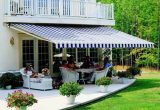
Awning definition, What is an awning? An awning is a cover made from canvas to sanctuary individuals or things from rain or sunlight, usually one will certainly use words awning about a roof-l...





Frontgate outdoor rugs. These days embellishing does not have to be regarding custom-made, it could be regarding where to discover it currently and also exactly how to make it function for you. T...





Retractable awning prices is influenced in various other means, too. On-line assemblers bill delivery costs, however this is more than balanced out by the reality they don't charge sales tax (bes...



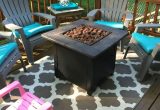
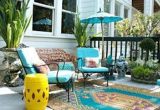
bed bath and beyond outdoor rugs (additionally called location rugs) not just include to the appearance of a space, yet likewise develop a setting including form, shade, and structure. Residence ...