Create a Tropical Retreat with Palms and Bamboo
Creating a tropical oasis with potted palms and bamboo screens is less about recreating a rainforest than borrowing its strongest design cues: layered foliage, filtered light, privacy and a close connection to the outdoors. Even a compact courtyard, balcony or suburban patio can feel calmer when a feathery canopy rises above seating and a textured screen softens the boundary.
The effect works best when it suits the site rather than chasing a fixed resort look. Sun direction, summer heat, winter cold, wind, drainage and the practical needs of the household should guide plant and material choices. A successful scheme then adds comfort through shade, durable finishes and details that make the space useful beyond warm evenings.
Build the Room in Layers
A strong layout uses three layers. Use bamboo screening at eye level to screen neighbouring fences, direct a path or create a sense of enclosure; place potted palms where their fronds can overlap that backdrop; then add lower planting or sculptural vessels at the base. This creates depth without closing the patio into a dark box.
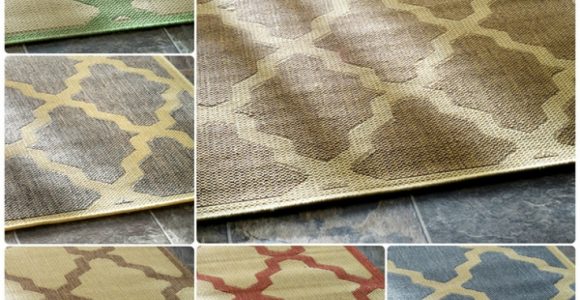
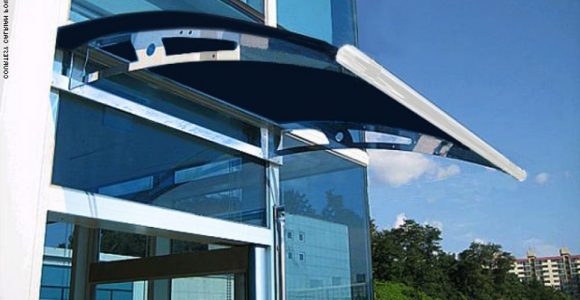
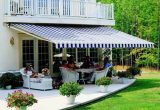
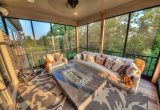
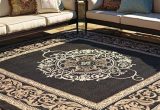
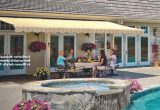
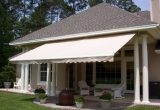
The hardscape should remain calm so foliage becomes the feature. Large-format paving in sand, warm grey or soft charcoal gives palms room to stand out and prevents the courtyard from feeling fragmented. Keep a clear route to doors and bins, position heavy planters out of the main traffic line, and use a mat or rug to define the outdoor sitting zone. A small gazebo can anchor a larger yard, while a retractable awning offers a simpler solution for a terrace attached to the house.
Think about everyday Australian use as well. A patio may host breakfast during the week, homework after school and a barbecue on Saturday, so the design needs shade, wipeable surfaces and flexible seating rather than a single-purpose resort vignette. In narrow urban courtyards, vertical screening and one or two well-placed palms can add privacy without taking valuable floor space.
Match Palms to Australian Conditions
Begin with the microclimate, not the photograph. Check where direct sun falls through the seasons, where cold air settles and whether winds will tear or abrade the leaves. Palms tolerate a range of conditions, but the right choice combines the species’ preferences with the container, its position and the local watering pattern.
These options suit common Australian garden settings:
- Kentia palm is a forgiving choice for a bright courtyard, coastal garden or sheltered patio, coping with both sun and part shade while maintaining a graceful trunk and arching foliage.
- Parlor palm works well in a shaded nook or beneath an awning, and its compact size suits smaller courtyards where a larger canopy would feel crowded.
- Canary Island date palm brings a bold, Mediterranean character and handles heat and drought once established, but it needs a substantial pot, room for a wide crown and protection from severe frost.
- Foxtail or alexandra palm suits a sheltered subtropical garden, especially around Brisbane, though new growth can be damaged by cold, drying wind or a sudden move into full sun.
Before buying, assess the position and the long-term setup:
- A north-facing area usually provides more usable light, while a west-facing wall can create intense afternoon heat; note when nearby buildings cast shade.
- Measure the mature crown rather than only the current pot, and identify prevailing winds that could loosen the plant, rattle the pot or shred the fronds.
- Select a stable container with enough soil volume for the root system, and confirm that its weight can be moved safely with a pot trolley or two people.
- Check drainage holes, the ability to reach a tap or irrigation line, and whether standing water could damage paving or timber.
Local conditions make a visible difference. Sydney’s coastal humidity can encourage lush growth but also fungal problems in crowded, poorly ventilated plantings. Melbourne’s changeable seasons often bring cool nights and drying winds, making sheltered placement and sturdy anchoring important. Brisbane’s warmer, wetter climate suits many subtropical palms, although heavy rain can saturate pots. Choose accordingly rather than watering every specimen on the same schedule, and acclimatise a nursery plant gradually over several weeks.
Make Bamboo Screens Work Hard
Bamboo screening can be a manufactured panel, a framed lattice or living clumping bamboo. Woven panels are useful for instant privacy and fit neatly between posts, an existing fence or a pergola; living bamboo provides texture and movement but takes time to establish. For manufactured screens, look for exterior-grade bindings, stabilised cane and UV-resistant finishes, especially on a sun-exposed northern or western boundary.
Treat the screen as architecture rather than a flat wall. A horizontal panel can hide service areas, angle two sections to redirect a view, or stand behind a bench to form a protected dining nook. Leave some gaps for airflow and dappled light, and anchor freestanding sections with solid feet or fixed brackets. Tall, tightly woven screens act like sails, so wind load matters more than appearance in exposed locations.
Where screening meets planting, a guide to raised bed construction offers a practical way to soften the junction between timber, paving and foliage. Set the screen behind a narrow bed or line of pots, preserving access for weeding while giving the base visual weight. This layered edge also makes it easier to hide irrigation fittings and keeps roots away from the screen posts.
Add Comfort and Resort-Style Detail
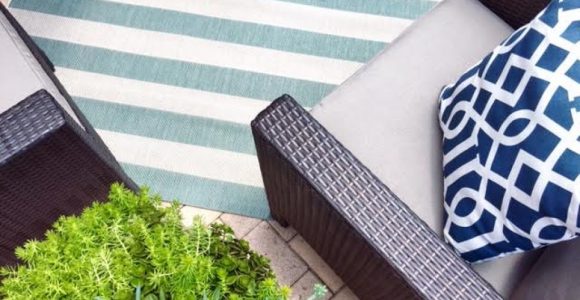
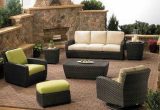
Furniture and finishes determine whether the tropical look feels inviting. Choose a low outdoor sofa in performance fabric, a timber or woven coffee table and chairs that can be rearranged easily. An outdoor rug defines the lounge without relying on walls; synthetic fibres or tightly woven wool blends handle splashes and UV exposure better than loose natural jute in damp conditions. Secure the edges so the rug does not become a trip hazard on smooth paving.
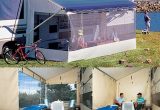
Shade is the next layer. A canvas retractable awning can shade a west-facing dining area, while a pergola with climbing plants offers greater year-round structure. A freestanding gazebo works well in an open garden, although roof gutters and downpipes should direct water into a drain or planted bed rather than across the paving. Add warm, shielded lighting under the awning and low-level lights along the screen; outdoor-rated fittings and clean connections are essential near plants and irrigation.
Keep the palette restrained so the greenery remains vivid. Cream cushions, charcoal frames, natural timber and terracotta pots create warmth without competing with the foliage. Repeat one material in two places, such as timber in the table and screen, to make the patio feel composed. Vary leaf shapes beneath the palms with broad-leaved plants or sculptural grasses, but avoid crowding the pots and blocking the path.
Install, Maintain and Make It Personal
Australian garden centres and specialist nurseries stock container palms in sizes from around 140 litres to 300 litres and above, with smaller pots intended mainly for indoor use or short-term display. Compare the rootball, soil volume and expected mature height rather than judging by foliage height on the day of purchase. Buying from a local nursery also makes it easier to ask about frost tolerance, wind exposure and regional growing experience.
Check the practical rules before installation. Under the Australian Consumer Law, suppliers must comply with applicable statutory guarantees, so keep the invoice and any written warranty for the pot, plant and screen fittings. Local council planning rules may affect tall screening attached to a boundary fence, and fixed awnings or gazebos can also require approval, particularly in heritage areas or new developments. Confirm requirements with the relevant state or local authority before drilling or building.
Build a simple maintenance rhythm. Water deeply according to the season and pot moisture rather than on a fixed daily schedule, empty saucers after heavy rain and flush the soil occasionally to remove salt build-up. Inspect palm ties, pot stability and screen anchors after strong winds, remove damaged fronds and wipe dust from leaves so they still catch the light. Then turn the patio into a personal retreat: choose one generous palm for the focal point, add a screen that solves a real privacy issue, and finish with shade and seating that support slow mornings, shared meals and relaxed evenings outdoors.