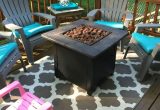
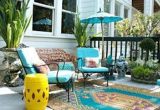
Creating a cozy fire pit area with movable seating
A fire pit gives an outdoor area a natural gathering point, but the surrounding layout determines whether it feels cosy or cramped. Movable seating lets you shift chairs when the sun moves, rearrange the group for dinner, or open the space for a daytime game. The aim is a room-like setting that still feels connected to the garden.
In Australia’s Southern Hemisphere, fire pits are especially inviting through the cooler months, typically from April to September, although comfort varies from Tasmania to Queensland. Melbourne’s compact courtyards and Sydney’s narrow terraces often need furniture that can sit close together without blocking a path, while larger suburban backyards can divide the fire zone from the BBQ and dining zone. Australians commonly call that cooking area a BBQ, so the design should feel social rather than formal.
Before buying anything, note the paved area you have, the direction of evening wind, how many people you usually host and how the space is used after dark. A simple mood board can prevent expensive mismatches; project inspiration offers a useful starting point for collecting layouts, material samples and ideas before you measure.
Plan the layout before choosing the furniture
Begin by mapping the permanent elements: the fire pit, doors, windows, existing trees, drainage and the route from the kitchen. Mark a clear circulation path so people carrying plates or moving through the yard do not cross behind chairs. For a compact patio, a 900–1100 mm main route is a useful starting point, adjusted to the site and any access needs.
Place the fire pit where it can anchor several seats without dominating every view. Leave the manufacturer’s recommended safety zone free of timber, fabric and other combustibles, and check council rules for wood-fired installations. Gas and electric models offer different flexibility, but both still require ventilation, stable ground and sensible separation from walls, fencing and overhanging branches. In bushfire-prone districts, check declared restrictions; during a total fire ban, a wood-fired pit may be prohibited even where it is normally permitted.
Think about wind before comfort. A breeze from the coast can carry smoke toward a terrace, while a sheltered corner may trap it. Screens can redirect airflow without making the area feel closed, and low planting can preserve sightlines. Plan the fire feature as one zone in the garden rather than an isolated object, with enough space around it for people to stand, pass a plate and pull a chair closer when the conversation gets lively.
Movable seating choices for flexibility
Movable seating should be easy to reposition but stable enough to feel relaxed. Before browsing outdoor design ideas, decide whether your priority is conversation, dining, quiet reading or a mix. A good layout can change through the day without looking temporary or disorderly.
- Compact lounge chairs give each person a defined place while remaining light enough to shift.
- A two-seat bench works well against a wall or hedge and can face the fire after a quick turn.
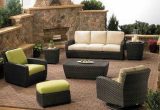
- Modular sofas create a lounge feel and can become a longer bench or two corner seats.
- Ottomans with trays provide informal seating, a footrest and a surface for drinks.
- Small dining chairs can move from the fire pit to an outdoor table when a meal expands.
Choose the scale by the size of the paved zone, not only the number of guests. Deep lounge chairs feel generous but need more elbow room; slim profiles suit courtyards and balconies. For a family gathering, mix one or two larger seats with lightweight chairs so nobody is stuck in an awkward corner.
- Powder-coated aluminium or stainless-steel frames resist corrosion and are easier to move than bulky timber.
- UV-stable, quick-dry cushions handle strong sun and an unexpected shower.
- Replaceable covers and washable cushion inserts make everyday Australian use less stressful.
- Lockable or recessed casters stop sofas drifting on uneven pavers, while glides protect the surface.
- Timber-look details add warmth, but confirm the finish is rated for outdoor exposure and wet conditions.
Test the arrangement by setting it up before the fire is lit. Push the seats inward for a smaller circle, then pull them back when serving dinner. In a larger yard, this flexibility lets you avoid leaving the fire area isolated at one edge while still keeping the seating together around the flames.
Choose materials for Australian conditions
Outdoor materials must cope with intense UV, summer rain, wind and, in coastal areas, salt. Powder-coated aluminium is light and low-maintenance, while teak or other durable hardwood suits a natural garden if it is regularly maintained. Australian retailers commonly mix locally made hardwood pieces with imported aluminium and modular ranges, so compare warranties, cushion availability and actual dimensions before buying.
For cushions, look for UV-resistant fabric, reinforced seams and fillings that recover after being compressed. Solution-dyed acrylic and quality outdoor polyester dry quickly and tolerate more colour fading than inexpensive cloth. A palette of oatmeal, charcoal, olive and rust can make timber and metal feel warm without turning the area into a theme park.
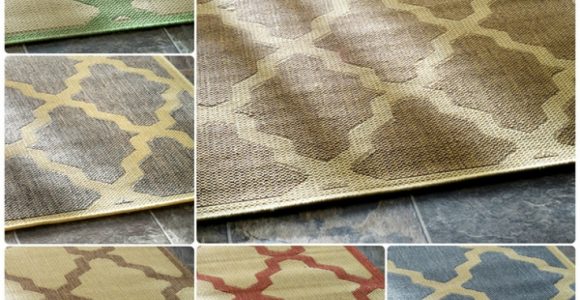
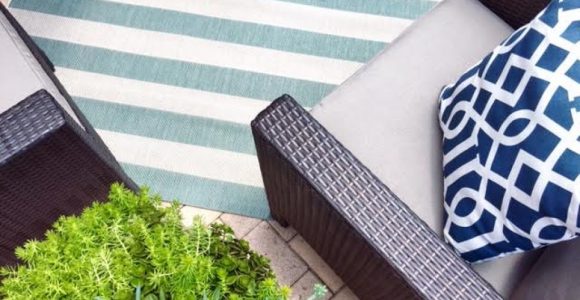
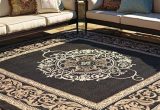
The floor ties the movable pieces together. An outdoor rug defines the conversation zone, but it must be suitable for wet paving and rated for outdoor use; secure the edges so it does not lift in a gust. If you also want a nearby covered sitting area, compare gazebo foundation options before setting posts, as pavers, concrete and decking affect drainage and stability.
Simple maintenance protects the investment. Keep a cover handy for long wet weekends, wipe salt from metal promptly and rotate seat cushions so one side does not fade alone. Store removable cushions indoors when severe weather is forecast, and inspect gas connections, cords and fire-pit components at the start of each season.
Layer comfort, light and atmosphere
Comfort comes from layers, not a single oversized sofa. Add a few back cushions with different depths, one weather-resistant throw per seating cluster and a low outdoor rug under the front legs of the chairs. These elements soften the hard surface around a fire pit and make the arrangement feel deliberately furnished rather than simply pulled together.
Lighting should be warm, low and reliable. Battery lanterns, solar pathway lights and LED strips beneath a pergola can reveal steps and furniture without competing with the fire. Keep electrical leads and combustible decorations well away from the flame, and choose enclosed fittings where children are likely to move through the space. Candles can look atmospheric, but lanterns are safer in breezy weather.
Finish with a few objects that work outdoors: a timber tray, ceramic cups, a weatherproof basket and one hardy pot plant. Australian natives such as dwarf grasses or compact rosemary can frame the zone while fitting the local landscape, though plants still need to be selected for your climate and fire-safety requirements. A nearby BBQ can remain practical, with a narrow counter for preparing food and a clear route to the seats.
Bring your fire pit retreat together
A successful fire pit area combines a safe, legible layout with seating that can follow the occasion. Keep the central circle open, group chairs by function and use outdoor-grade textiles and finishes that can handle the climate. Testing the arrangement in daylight and at night will reveal problems that a showroom floor can hide.
Create a warm, flexible gathering place now by measuring the paved space, checking fire restrictions and photographing the area at dusk. Select two or three seating pieces, one defining floor treatment and a warm lighting scheme, then build the first arrangement. Sit with a drink, adjust the spacing for the people you host and let the fire pit become the natural heart of the outdoor room.