Best Outdoor Paint for Metal Patio Furniture
A fresh coat of paint can turn a faded outdoor setting into a useful, attractive part of the home. The right coating protects steel, aluminium and wrought iron from rust, strong sunlight, rain and everyday knocks while giving chairs, tables and benches a new colour scheme.
For Australian homes, exterior furniture paint needs to cope with intense UV, sudden summer storms and, in coastal areas, salt carried by the air. A product that performs well in a sheltered Melbourne courtyard may need extra preparation and maintenance on a balcony in Sydney, Brisbane or Perth.
| Paint type |
Best for |
Main advantages |
Watch-outs |
| Exterior acrylic enamel |
Sound, previously painted metal |
Low odour, quick drying, broad colour range |
Needs careful surface preparation |
| Direct-to-metal enamel |
Bare or lightly weathered steel |
Strong finish and good adhesion |
Some products still need a primer |
| Rust-converting primer and topcoat |
Rusty iron or steel |
Stabilises surface corrosion |
Does not replace sanding and cleaning |
| Spray paint for metal |
Slats, curves and smaller pieces |
Smooth finish with minimal brush marks |
Requires several thin coats and good masking |
| Oil-based enamel |
Hard-wearing furniture in sheltered areas |
Durable, smooth surface |
Longer drying time and stronger odour |
Choose the Coating Around the Metal
The best exterior paint depends on the furniture’s material and existing finish. Aluminium usually has a naturally corrosion-resistant surface, but it still needs degreasing and light abrasion so the new coating can grip. Steel and wrought iron are more vulnerable to rust, especially where water collects around bolts, welds and feet.
A direct-to-metal enamel is convenient for solid, lightly weathered pieces. For furniture with bubbling paint or visible orange corrosion, use a rust-inhibiting primer followed by a compatible exterior topcoat. Avoid assuming that a “paint and primer in one” product will cover heavy rust; loose corrosion must be removed first.
Spray products are useful for ornate bistro chairs and narrow tubing because they reach places a brush misses. For a large table, however, a quality brush or mini roller can be more economical and produce less overspray. Always check that primer, colour coat and clear coat are made to work together.
Paint Features Worth Paying For
- UV resistance for exposed courtyards and north-facing patios
- Flexible adhesion that tolerates hot and cool metal movement
- Corrosion protection for steel, iron and damaged edges
- A suitable satin or low-sheen finish that disguises small marks
- Exterior-grade durability rather than an indoor decorative formula
Read the Label for Australian Conditions
Paint marketed for outdoor metal should state that it is suitable for exterior use and identify the surfaces it can cover. In Australia, a high-UV rating matters because a dark finish can become extremely hot in direct summer sun. Pale grey, cream and muted green generally absorb less heat than black, although every colour will weather eventually.
Coastal households in Newcastle, Wollongong, Adelaide, Cairns and other salt-exposed locations should prioritise corrosion resistance and plan more frequent washing. Salt deposits attract moisture, so rinsing furniture with fresh water and drying it thoroughly is a simple part of protecting the finish. Homes in Darwin and northern Queensland also need to consider humidity and long wet seasons.
Water-based acrylic enamels are popular in the Australian home-improvement market because they have lower odour, clean up with water and dry relatively quickly. Oil-based products can still offer a tough finish, but they need mineral turpentine or the cleaner specified on the label. Follow the technical data sheet rather than mixing brands casually.
Prepare the Surface Before Painting
Preparation usually determines whether a makeover lasts one season or several years. Remove cushions, plastic feet and hardware where possible, then wash the furniture with a suitable detergent to eliminate dust, sunscreen, grease and bird droppings. Let every joint and hollow section dry completely before sanding.
Scrape away flaking paint and use a wire brush or abrasive paper on rusted areas. Feather the edges of sound paint so they do not show through the new finish. Lightly scuff glossy surfaces, then remove sanding dust with a clean, lint-free cloth. Do not paint over powdery residue or trapped moisture.
Australian workplace and environmental rules make responsible handling important. Wear eye protection and a suitable mask while sanding old coatings, especially when the age or composition of the paint is unknown. Keep children away from dust, follow the product safety data sheet, and take leftover solvent or paint to a council household chemical collection service rather than tipping it into a drain.
Preparation Checklist
- Wash and degrease every surface, including the underside
- Scrape loose coatings and remove active rust
- Sand glossy paint until it has an even key
- Mask rubber, timber, glass and areas that should remain unpainted
- Prime exposed steel, repaired sections and difficult aluminium
- Allow the recommended drying time before moving or recoating
Apply Thin Coats in the Right Weather
Choose a dry, mild day with light air movement and no rain forecast. Painting in the middle of a scorching Australian afternoon can cause the surface to dry too quickly, leaving brush marks, bubbles or poor flow. A shaded, well-ventilated area is preferable, but avoid painting directly beneath trees where falling dust and sap can spoil the finish.
Stir the paint slowly instead of shaking it, which can introduce air bubbles. Apply several thin coats rather than one heavy layer, working methodically around the frame and checking for runs beneath rails and seats. Spray paint should be held at the distance stated on the can, with each pass overlapping slightly.
Respect the recoat and curing times printed by the manufacturer. A coating may feel dry while remaining soft underneath. Do not stack chairs, replace cushions or put a heavy pot on the table until the paint has fully cured. In cooler Melbourne weather this can take longer than it does during a warm, dry period in inland New South Wales.
Build a Cohesive Outdoor Setting
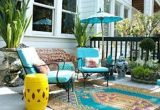
Paint is an opportunity to connect metal furniture with paving, planting and the exterior of the house. Charcoal, warm white and muted olive work well with timber decking and pale masonry, while terracotta, clay and dusty blue can soften a hard paved terrace. Satin finishes are generally practical because they reflect less glare than gloss and are easier to wipe than a very flat coating.
Consider how the furniture will sit in sunlight throughout the day. A dark table may look elegant beneath a shaded pergola but become uncomfortable to touch in an open western-facing yard. For apartments and strata properties, check body-corporate rules before changing the colour of shared balcony furniture or fixing items to common property.
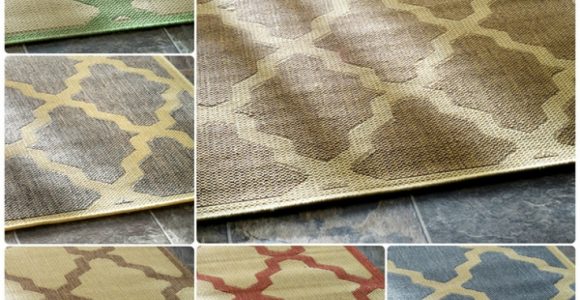
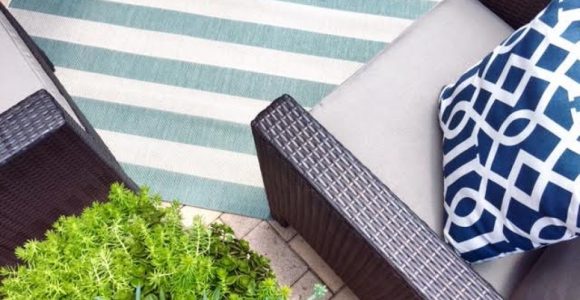
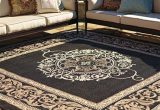
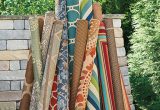
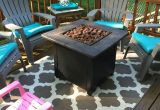
Textiles can complete the update without making the area feel over-designed. If a dining table sits on a rug, choose a washable, colourfast design that suits the new paint; these stain-resistant outdoor rugs are especially practical around barbecues and family meals. Keep fabric off freshly painted metal until the coating has cured fully.
Maintain the Finish Through the Seasons
Regular, gentle cleaning is more effective than waiting until grime becomes embedded. Wipe furniture with mild soapy water every few weeks during heavy-use periods, then rinse and dry it. Inspect feet, screw heads, welds and the underside of table frames because these areas often show corrosion before the visible surfaces do.
Touch up chips as soon as they appear. Clean the damaged spot, sand any lifted edge, apply primer where bare metal is exposed and blend in the matching topcoat. If rust has spread beneath a large section of paint, a complete strip and repaint will be more reliable than repeated spot repairs.
Habits That Extend the Paint Job
- Use furniture covers that allow ventilation rather than trapping condensation
- Move chairs carefully instead of dragging painted feet across concrete
- Store lightweight pieces under cover during severe storms
- Keep sprinkler water from repeatedly soaking metal frames
- Check coastal furniture more often for salt residue and pinprick rust
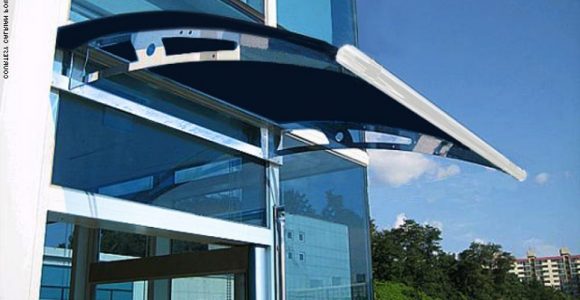
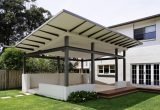
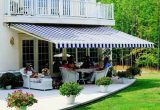
A durable finish still benefits from sensible placement. Positioning a table under an awning or pergola reduces UV exposure, while leaving a small gap between furniture and a damp wall improves airflow. Avoid placing steel directly on constantly wet grass or soil; rubber feet, pavers or a dry, level patio surface can make a noticeable difference.
Choose a coating suited to the metal, prepare patiently and apply it in thin, compatible layers. Then refresh the surrounding cushions, rug and lighting so the furniture feels like part of a deliberate outdoor room. Pick up a quality exterior metal system from a reputable Australian hardware supplier, set aside a dry preparation day, and give the patio furniture a finish that can handle many more seasons.