Nuloom Outdoor Rugs
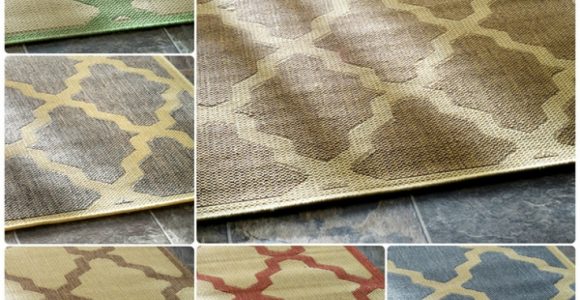



Nuloom Outdoor Rugs with pictures released for to offer the concepts to influence enhancing your home. This post of Nuloom Outdoor Rugs have of our collection pictures as well as gallery for embe...
Nuloom Outdoor Rugs with pictures released for to offer the concepts to influence enhancing your home. This post of Nuloom Outdoor Rugs have of our collection pictures as well as gallery for embe...
An outdoor dining area should feel as considered as an indoor room. The right rug can define the table zone, soften hard paving, reduce chair noise, and introduce colour without demanding constant maintenance. Because meals bring wine, sauces, crumbs, grease, and muddy shoes into the same space, appearance must be balanced with practical performance.
The most suitable designs are made for exposure to sunlight and moisture, but weather resistance alone does not guarantee easy ownership. A rug beneath a dining table needs a dense, stable surface that lets chairs move smoothly, dries quickly after rain, and releases everyday spills before they become permanent marks.
This guide focuses on outdoor dining rugs that combine stain resistance, manageable cleaning, attractive design, and sensible sizing. It also explains which fibres work best, where common materials fall short, and how to create a comfortable patio arrangement that remains inviting throughout the season.
A dining rug should be low pile or flat woven. Thick, shaggy textures may look comfortable, but chair legs can catch in the fibres, making it difficult to pull seats in and out. A flatter profile also traps fewer crumbs and is easier to sweep or hose down.
Look for a tightly woven polypropylene, recycled plastic, or solution-dyed polyester construction. These materials tend to resist fading and absorb less moisture than natural fibres. A stain-resistant finish is helpful, though the weave itself matters just as much: an open, textured surface can hold food particles even when the yarn is treated.
The backing deserves attention as well. A breathable, non-slip backing can help keep the rug stable without trapping water against paving or decking. Avoid heavily rubberised products in areas that receive frequent rain unless the manufacturer specifically approves them for outdoor use, since moisture can become sealed underneath.
Colour and pattern can hide minor marks between cleanings. Mid-tone geometric designs, muted stripes, and softly mottled patterns are generally more forgiving than solid white or very pale rugs. Dark charcoal may conceal stains, but it can become hot in direct sun, so a balanced palette is often more comfortable.
Polypropylene is one of the most reliable choices for a covered or exposed dining patio. It is lightweight, colourfast, mildew resistant, and typically simple to clean with mild soap and water. Many polypropylene rugs have a soft enough finish for bare feet while retaining a firm weave under dining chairs.
Recycled plastic rugs provide similar practical benefits and can be a good choice for households seeking a lower-maintenance option. They often resemble woven fabric and are easy to fold or roll for storage. Check the edges before buying, as poorly finished borders can curl or fray after repeated use.
Solution-dyed polyester offers bright colours and good resistance to sunlight. It can be pleasantly soft, although some products are more absorbent than polypropylene and may take longer to dry. This is less concerning beneath a roofed pergola, but it matters on an uncovered patio where rain is common.
Natural fibres such as jute, sisal, seagrass, and untreated cotton create attractive texture, yet they are usually less suitable for a fully exposed dining zone. They can absorb spills, develop mildew when left damp, and fade unevenly. They may work beneath a protected awning if meals are infrequent and the rug can be brought indoors quickly.
Material, construction, and placement all affect performance. A rug that works beautifully on a covered balcony may not be the best option for an open lawn-side terrace. Use the following comparison as a starting point, then check the care instructions for the specific product.
| Material | Stain and moisture performance | Best setting | Main advantage | Watch for |
|---|---|---|---|---|
| Polypropylene | Excellent; low absorption and quick drying | Open patios and uncovered decks | Easy cleaning and reliable colour retention | Can feel less plush than indoor fibres |
| Recycled plastic | Excellent when tightly woven | Family patios and dining zones | Lightweight, washable, and practical | Edges may curl on cheaper designs |
| Solution-dyed polyester | Very good, especially against fading | Covered patios and pergolas | Soft texture with strong colour options | May dry more slowly after heavy rain |
| Acrylic blend | Good, depending on construction | Sheltered outdoor rooms | Comfortable feel and decorative finish | Check mildew protection and care limits |
| Jute or sisal | Limited for wet areas | Fully covered, dry porches | Natural texture and warm appearance | Absorbs spills and can mildew |
A rug pad can improve comfort and prevent movement, but it must be designed for outdoor use. Choose a breathable, water-permeable pad rather than a dense indoor underlay. On textured pavers, a pad may also protect the rug from abrasion and reduce the scuffing caused by frequent chair movement.
The rug should extend beyond the dining table far enough for chairs to remain on its surface when pulled back. Measure the table, then add at least 60 centimetres to each side. For a six-seat rectangular table, a rug around 240 by 330 centimetres is often a useful starting point, although generous proportions are more comfortable where space allows.
A rug that is too small creates a fussy appearance and leaves chair legs catching on its edge. This can lead to tipping, uneven wear, and frustration during meals. If the patio is narrow, consider a longer runner-style design only when it can accommodate the table’s full width and the normal movement of the chairs.
Round rugs suit circular tables and can reinforce a relaxed conversation area. They should still allow chairs to move backwards without dropping off the edge. A round dining table around 120 centimetres wide commonly needs a rug measuring approximately 240 centimetres across, with larger dimensions preferred for generous seating.
Rectangular rugs are the most versatile option for long tables, while square designs can anchor compact bistro settings. Before purchasing, mark the proposed footprint with masking tape or garden hose. This reveals whether the rug will interfere with doors, steps, planters, grills, or the turning space around an outdoor kitchen.
A successful design should relate to the surrounding architecture, paving, fencing, and planting rather than compete with them. Neutral stone-coloured rugs complement warm timber decking, while blue, sage, or terracotta accents can connect furniture with cushions and nearby planting. Look to outdoor design ideas for ways to coordinate the wider living space.
Small-scale patterns are particularly useful beneath dining tables because they break up crumbs and light marks visually. A narrow stripe can make a compact patio feel longer, while a border can define the dining area without adding a strong central motif. Geometric patterns suit contemporary furniture, and faded medallions or woven-look designs work well with traditional settings.
Consider sunlight before choosing a colour. Very dark rugs absorb heat and can feel uncomfortable under bare feet, especially beside south-facing walls. Bright reds and oranges may fade more noticeably if the rug is exposed all day, whereas mineral tones and soft blues often maintain a calmer appearance over time.
The furniture finish should guide the level of contrast. A pale metal table may benefit from a darker patterned rug, while richly stained timber can look balanced against a lighter base. If cushions already have a bold print, select a rug with restrained detail so the dining setting remains visually composed.
Treat spills promptly, even when the rug is advertised as stain resistant. Blot wine, coffee, and oily food with a clean cloth rather than rubbing them deeper into the weave. Follow with diluted mild detergent and cool or lukewarm water, then rinse thoroughly so soap residue does not attract more dirt.
Shake or sweep the rug regularly to remove crumbs and grit. Fine particles can work into the fibres and create abrasion beneath chair legs. For a deeper clean, many polypropylene and recycled plastic rugs can be hosed on both sides, provided they are dried completely before being placed back under the table.
Drying is essential. Hang the rug over a strong rail or lay it flat with both sides exposed to moving air. Do not leave it folded while damp, and avoid placing furniture on it until the underside is fully dry. Persistent moisture is a common cause of mildew odour, discolouration, and backing damage.
At the end of the season, clean the rug, let it dry thoroughly, and roll it with the patterned side facing outward if the care label permits. Store it in a breathable cover in a dry shed, utility room, or garage. Folding can create sharp creases, particularly in plastic-woven designs.
Before choosing a rug for the dining area, compare its practical details as carefully as its appearance. Product photographs can make a small rug appear spacious, while descriptions may use broad terms such as “weatherproof” without explaining whether the backing is breathable or how the fibres respond to oil-based stains.
Prioritise these features:
Think about the way the space is used. A household with young children or frequent outdoor dinners may value a patterned polypropylene rug above a delicate natural-fibre design. A sheltered balcony with occasional breakfasts could accommodate a softer polyester option, provided it can be dried and stored easily.
Budget should include accessories and maintenance. A well-sized rug pad, storage bag, and washable seat cushions may add to the initial cost, but they can protect the arrangement and make the patio more comfortable. Buying a durable medium-priced rug is often wiser than replacing an inexpensive one after a single wet season.
The best outdoor rugs for under dining tables are those that quietly support everyday life: broad enough for moving chairs, attractive beside the furniture, and resilient when meals become untidy. Measure the setting, select a low-maintenance fibre, and check the care instructions before ordering. With the right foundation beneath the table, a patio can feel like a finished dining room rather than an arrangement of furniture on bare paving.
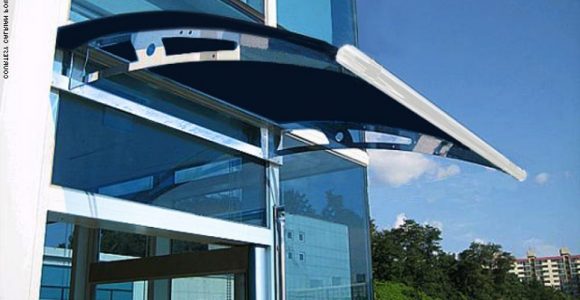

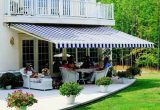
Awning definition, What is an awning? An awning is a cover made from canvas to sanctuary individuals or things from rain or sunlight, usually one will certainly use words awning about a roof-l...


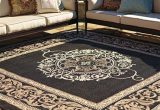
Frontgate outdoor rugs. These days embellishing does not have to be regarding custom-made, it could be regarding where to discover it currently and also exactly how to make it function for you. T...

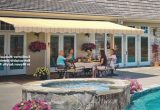
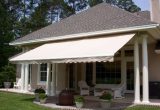


Retractable awning prices is influenced in various other means, too. On-line assemblers bill delivery costs, however this is more than balanced out by the reality they don't charge sales tax (bes...

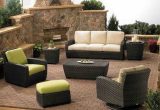
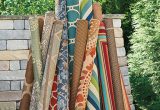
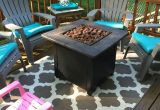
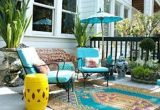
bed bath and beyond outdoor rugs (additionally called location rugs) not just include to the appearance of a space, yet likewise develop a setting including form, shade, and structure. Residence ...