Best materials for outdoor side tables and end tables
Outdoor side tables and end tables do more than hold a drink. They give a compact alfresco area somewhere to put a book, a lantern or a plate of snacks, while helping a patio, deck or garden feel finished. In Australia, that usefulness has to survive strong sun, sudden rain and the relentless work of a backyard.
For anyone comparing the best materials for outdoor side tables and end tables, the useful question is not which one looks best in a showroom, but which will still look good after a hot, wet summer. A coastal balcony in Sydney faces a different challenge from a shaded courtyard in Melbourne or a frosty patio in Canberra.
Start with the table’s job and location, then let the material support it. Shade, drainage, weight and the amount of daily handling matter as much as colour and grain. The right choice can also tie together paving, fencing, planting and the furniture already in the space.
Match the material to the outdoor setting
First, decide whether the table will sit beside a sofa, serve as a small bistro perch or occupy a passage between the house and garden. A lounge end table needs a broad, level surface, while a narrow accent table can work in a tight corner. Check that chairs can slide back comfortably and that the table does not block a gate or path. The wider French Creative Connection collection of home and garden ideas is useful for visualising the setting as a whole.
Next, read the material label rather than relying on a vague promise of “weatherproof”. Australian buyers commonly find aluminium, treated timber, resin and woven furniture at Bunnings, Mitre 10 and local garden centres, while specialist suppliers carry more hardwood and designer finishes. Confirm outdoor exposure ratings, warranty conditions and whether replacement parts or table tops are available; a display model may have been intended for a covered patio only.
Placement also determines performance. Direct western sun can make a dark top hot enough to blister bare skin, while a table under trees collects pollen, sap and leaf litter. Leave room to clean around the legs, avoid low spots where water pools, and consider a nearby umbrella, shade sail or pergola. Good clearance and comfortable reach are more valuable than squeezing in another decorative object.
Teak and hardwood suit a natural look
Teak remains a popular choice for a reason: its dense grain and natural oils give it good resistance to moisture and insects when the timber is responsibly sourced. It suits timber decks and native planting, and develops a silver-grey patina if left untreated. Oiled teak keeps a warmer colour, but maintenance depends on the finish and exposure, not simply on the species name.
Local hardwoods such as spotted gum can also work well for Australian homes, provided the maker has dried and finished them correctly. Solid boards move as humidity changes, so expect minor checking rather than assuming every split signals a faulty table. Inspect end grain, joints and fixings, and use a marine-grade exterior finish recommended for the species. Keep teak or hardwood away from chlorine splashes beside a pool and rinse salt deposits promptly.
Quality matters more than a broad species label. Look for a solid top or a properly sealed marine-grade base, tight joints, countersunk fixings and stainless-steel hardware where possible. Avoid untreated chipboard, MDF and ordinary plywood for exposed tabletops. In termite-prone areas, ask whether all timber components have been treated; what looks like “white ant” damage often starts at an unprotected end grain. If a table stands beside a gate, creative fence gate designs can help you judge the clearance and sightline before you commit.
Metal works where low maintenance matters
Powder-coated aluminium is a practical answer for lightweight tables that need to move between the deck and patio. It is naturally corrosion resistant and does not swell or crack, making it useful where timber has become damp or warped. Powder coating adds colour and protection, but scratches can expose the metal, so clean grit away and inspect chips rather than leaving them to weather.
Steel is heavier and can feel reassuringly stable, yet it needs more care. A powder-coated or galvanised finish will usually outlast bare steel, but coastal salt and damaged coating can produce rust, particularly around joints and feet. If an aluminium frame will touch a steel table or stainless-steel fasteners, isolation can reduce galvanic corrosion. Stainless steel or aluminium is often easier to maintain in exposed coastal positions.
A slim table beside a garage gives keys, a torch and a spare remote a dry landing place. If the old handset has failed, replacing a garage remote is easier once you have the opener’s make and model. For metal used around the house, remember that it conducts heat quickly: a black or dark top in full sun can become uncomfortably hot, and a dark surface beneath glass can make it hotter still. Use a coaster, choose a lighter finish or place the table in a shady spot.
Synthetic and mixed-material options
Poly resin and polywood-style tops offer another route: dense, colourable polymer surfaces that are generally easy to clean and do not need annual oiling. Good quality pieces use UV-stabilised material and strong frames made for outdoor use; cheap alternatives can fade, soften or stain sooner. Ask for the expected outdoor life and exposure details, and check how scratches show against the colour. Some tables have replaceable tops, which can be more economical than replacing the whole frame.
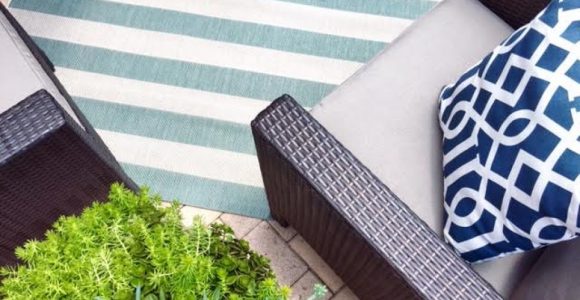
Synthetic rattan and woven polyethylene are often used on side table frames rather than solid tops. They feel comfortable and create a softer contrast with concrete or stone, but the weave, bonding points and frame joints still need checking. Natural rattan and untreated cane are less suitable for a wet Australian yard, while good synthetic versions need protection from prolonged ultraviolet exposure. Store removable parts dry and avoid packing wet cushions into a closed table.
Mixed-material tables can be especially successful: a timber top on an aluminium base combines warm grain with a stable, light frame, while a stone or concrete surface on steel feels substantial. Each pairing has hidden implications. Concrete needs a properly cured, sealed top and a base that handles its weight; it can crack if water becomes trapped underneath. Tempered glass needs safety edging and can become very hot in direct sun, so it belongs under cover. Natural stone requires sealing suited to its porous surface.
Make your outdoor table a lasting feature
The best outcome comes from matching the surface to the setting and the way you live, not from chasing a universal favourite. Teak and hardwood complement timber decks and leafy gardens; coated metal suits exposed balconies and low-upkeep spaces; quality resin works well where stains and frequent wiping are likely. Add protection where the sun is strongest, and keep furniture dry when it is not in use. A breathable cover is better than one that traps moisture against the finish.
Before buying, measure the space, check the height against your seating and look at the table in daylight. Place it mentally beside the paving, fence and awning, then consider the view from a chair. For a small bistro setting, roughly 300 to 450 mm between the seat and table gives a usable drink-and-laptop zone without crowding the walkway. Stable feet matter on pavers, and a broad base is less likely to wobble than a narrow pedestal.
Now turn the choice into a clear action: pick the material that fits the exposure, set a realistic maintenance routine, and order a sample or swatch when colour is the deciding factor. Then position the table where it supports conversation, protects surfaces from hot drinks and leaves enough room to move. A well-chosen outdoor side table can hold the day’s coffee, catch the evening light and become the most-used seat-side surface in the house.