Nuloom Outdoor Rugs
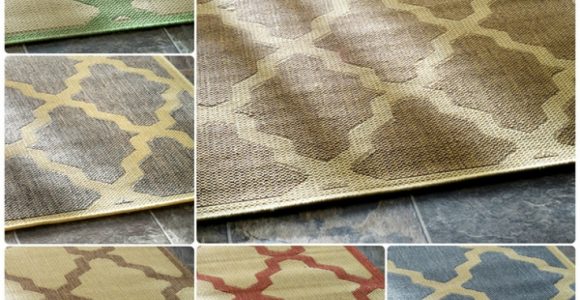


Nuloom Outdoor Rugs with pictures released for to offer the concepts to influence enhancing your home. This post of Nuloom Outdoor Rugs have of our collection pictures as well as gallery for embe...
Nuloom Outdoor Rugs with pictures released for to offer the concepts to influence enhancing your home. This post of Nuloom Outdoor Rugs have of our collection pictures as well as gallery for embe...
An awning can transform a hot deck, balcony or entertaining area into a comfortable extension of the home. In Australia, however, the fabric must cope with intense ultraviolet radiation, sudden rain, coastal air, dust and long periods of exposure. Choosing by colour alone often leads to premature fading, mildew or weakening.
The best outdoor shade fabric balances UV resistance, breathability, water handling and maintenance. A tightly woven solution-dyed acrylic may suit a family patio, while a PVC-coated mesh can work better over a north-facing window or a breezy Perth terrace. The right choice depends on the awning style, orientation and local climate.
Longevity also depends on the installation. Correct tension, adequate drainage and a frame suited to wind conditions can add years to the cover’s service life. Before ordering, check the fabric specification, warranty exclusions and any requirements from your local council, building manager or strata corporation.
Australia’s ultraviolet exposure is severe, particularly during summer when outdoor areas may receive several hours of direct sun each day. Sydney and Brisbane combine strong sunlight with humidity, while Adelaide and Perth often experience dry heat and dusty winds. In Melbourne, a fabric may need to handle sharp changes between hot sun, rain and cool weather.
UV rays gradually break down fibres, coatings and colour pigments. Low-quality fabric may look acceptable in the showroom but become brittle, chalky or faded after repeated exposure. Dark colours can absorb more heat, although a high-quality pigment bonded into the fibre will usually resist fading better than a cheaper surface-dyed textile.
Shade performance is also important. A fabric with good solar reflection can reduce the temperature beneath an awning, helping an outdoor dining area remain usable and reducing heat entering nearby rooms. A lighter underside may improve reflected light, while a darker underside can reduce glare when the awning covers a television, study window or glass door.
The best UV protection comes from a combination of fabric density, pigment stability and construction quality. Ask suppliers for a UV or colourfastness rating, rather than relying on general descriptions such as “weatherproof” or “sun resistant”.
Solution-dyed acrylic is a widely preferred option for residential folding-arm awnings, verandah covers and patio shelters. Its colour is added before the fibres are spun, so pigment runs through the yarn instead of sitting only on the surface. This gives the material strong fade resistance, good breathability and a comfortable appearance in living areas.
Acrylic canvas usually sheds light rain but is not designed to function as a fully waterproof roof. It is well suited to Australian homes where the awning’s primary job is shade and where ventilation matters. Quality versions can also resist mildew, provided they are allowed to dry before being retracted.
PVC-coated polyester offers a different set of advantages. It is generally more water resistant, easy to wipe clean and suitable for fixed awnings, café blinds and areas exposed to heavy rain. The coating can make the fabric less breathable, so heat may build up underneath if the design has little ventilation. It is worth considering for a covered barbecue area or a side screen that needs to block wind-driven showers.
Micro-perforated PVC mesh is useful when airflow and visibility are priorities. Its small openings filter sunlight, reduce glare and allow breezes to pass through, which can be valuable on exposed coastal properties. It does not create the same dark, enclosed shade as a solid textile, but it can reduce wind load and preserve a view across a garden or pool area.
Polyester fabrics sit across a broad quality range. Basic polyester is affordable but may fade or lose strength faster than solution-dyed acrylic. Higher-grade polyester with a protective coating can perform well for a smaller window awning or seasonal structure, but verify the warranty and fibre construction before treating it as a long-term investment.
The awning’s orientation is as important as the material. A north-facing installation in Brisbane or Sydney may receive strong sun for much of the day, so a dense, high-quality fabric with a pale reflective surface can reduce heat effectively. West-facing windows need special attention because low afternoon sun can create intense glare and heat even when the awning is extended.
Homes near the coast, including those around the Gold Coast, Newcastle and Fremantle, must account for salt. Salt deposits can attract moisture and accelerate corrosion in the frame, stitching hardware and nearby fixings. Choose a fabric with corrosion-resistant components and rinse the awning periodically with fresh water. The cloth itself should be cleaned gently rather than scrubbed aggressively.
In bushfire-prone regions, fabric selection should be considered alongside the broader property design. An awning is not automatically a bushfire-rated product, and ordinary outdoor textiles can be vulnerable to embers. Check advice from your local council, state fire authority and insurer when the property sits in a designated bushfire area. Clear leaves and dry vegetation from around the awning and never assume a shade fabric provides ember protection.
Wind exposure can determine whether a fabric survives its first few seasons. A mesh screen may be preferable on an elevated balcony or open suburban block because air can pass through it. Solid canvas offers better rain protection but catches more wind, placing greater stress on arms, brackets and walls. Design ideas for a garden boundary can be found in this guide to windbreak fencing, which is also relevant when planning a calmer outdoor seating zone around an awning.
A premium fabric cannot compensate for poor operation. Retract a folding-arm awning during severe wind, hail or storms, even when the material is marketed as highly weather resistant. Wind sensors can help with automated systems, but they should supplement sensible supervision rather than replace it.
The pitch should allow water to run off instead of pooling. Persistent water pockets stretch the fabric, encourage mildew and add weight to the support structure. A professional installer can set the angle correctly and check whether the wall, fascia or posts can safely carry the load.
Look for reinforced hems, strong seams and compatible thread. Stainless steel or high-grade coated hardware is particularly valuable in coastal Australia. Check how the fabric is attached: replaceable covers may cost more initially but make future repairs easier than a permanently bonded system.
Useful buying checks include:
Warranty language deserves careful reading. Some warranties cover manufacturing defects but exclude normal fading, mould, wind damage or incorrect cleaning. Ask whether the warranty applies to the original purchaser, whether installation must be completed by an approved professional and how claims are assessed in high-UV locations.
Dust, bird droppings, tree sap and salt should not be left on an awning for months. Brush away loose dirt with a soft brush, then rinse with clean water. For marks that remain, use a mild soap solution and a soft sponge, testing first on a hidden section. Strong bleach, abrasive powders and pressure washers can strip protective finishes or damage stitching.
Never roll or fold fabric while it is wet unless the manufacturer specifically permits it. Trapped moisture can produce mildew and unpleasant odours, especially in humid areas such as Cairns, Darwin and northern Queensland. Extend the awning fully after rain and allow both sides to dry before storing it.
A seasonal inspection is practical for most households. Look for frayed seams, loose brackets, rust stains, small tears and fabric that has begun to sag. Catching a minor fault early is usually cheaper than replacing an entire cover or repairing a damaged wall mount.
For patios furnished with outdoor cushions, coordinating the awning with a suitable upholstery textile can improve the whole space. This guide to UV-resistant cushion fabric explains why colourfast, quick-drying materials matter when furniture remains outside with the shade system.
Simple habits make a noticeable difference:
A retractable awning attached to a house may be straightforward, but larger fixed structures can trigger planning, building or engineering requirements. Rules vary between states, territories and councils. A council may consider the awning’s projection, height, proximity to boundaries, stormwater management and effect on neighbouring properties.
In strata apartments and townhouses, approval from the owners corporation may be required even when the installation is entirely within a private balcony. Building appearance, waterproofing, drilling into common property and wind loads can all influence the decision. Obtain written approval before ordering a custom cover, especially in developments with strict façade guidelines.
The National Construction Code and local standards may also affect structural elements, attachment points and safety. A licensed installer can identify whether the proposed brackets are suitable for masonry, timber, steel or lightweight cladding. This matters in older Australian homes where the visible wall surface may not provide adequate support.
Fabric selection should be part of the design conversation, not an afterthought. Give the installer details about the direction of the sun, expected wind, nearby trees, rain exposure and how often the space is used. A well-chosen acrylic, coated polyester or mesh screen will then work as part of a complete shade system rather than carrying the entire burden alone.
Invest in a fabric that matches your climate, awning position and maintenance routine, then pair it with a properly engineered frame and sensible operating habits. Speak with a reputable Australian supplier, request written performance details and compare samples in direct sunlight before committing to the final colour and material.
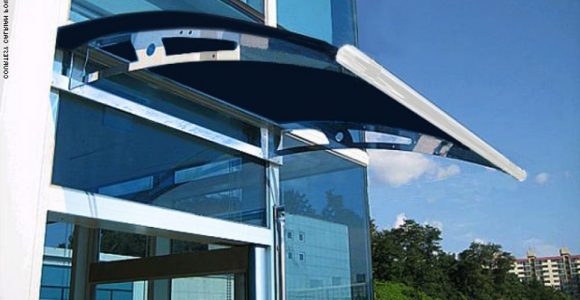
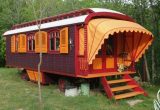
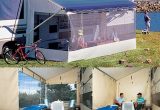
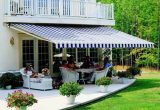
Awning definition, What is an awning? An awning is a cover made from canvas to sanctuary individuals or things from rain or sunlight, usually one will certainly use words awning about a roof-l...
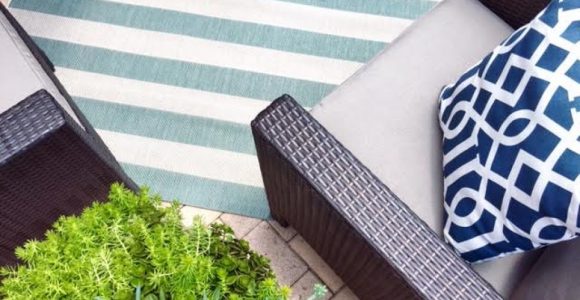


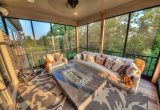
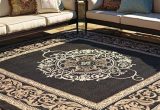
Frontgate outdoor rugs. These days embellishing does not have to be regarding custom-made, it could be regarding where to discover it currently and also exactly how to make it function for you. T...

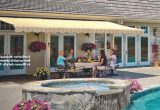
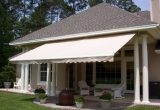


Retractable awning prices is influenced in various other means, too. On-line assemblers bill delivery costs, however this is more than balanced out by the reality they don't charge sales tax (bes...

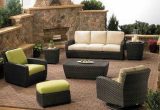
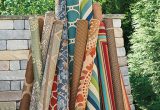
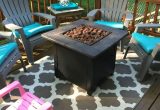
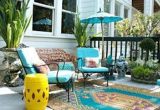
bed bath and beyond outdoor rugs (additionally called location rugs) not just include to the appearance of a space, yet likewise develop a setting including form, shade, and structure. Residence ...