Nuloom Outdoor Rugs
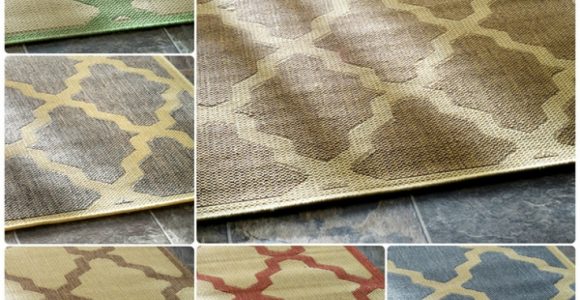



Nuloom Outdoor Rugs with pictures released for to offer the concepts to influence enhancing your home. This post of Nuloom Outdoor Rugs have of our collection pictures as well as gallery for embe...
Nuloom Outdoor Rugs with pictures released for to offer the concepts to influence enhancing your home. This post of Nuloom Outdoor Rugs have of our collection pictures as well as gallery for embe...
Outdoor cushions transform a patio, balcony, gazebo, or garden bench into a comfortable living area. Yet fabric that looks attractive in a showroom can fade quickly when exposed to sunlight, rain, dust, and regular use. Choosing the right outdoor cushion material is therefore a practical decision as much as a decorative one.
The best solution combines UV protection, water resistance, breathability, and easy maintenance. No single textile performs identically in every setting, so the ideal choice depends on how much sun your seating receives, whether cushions stay outdoors year-round, and how often you are willing to clean or store them.
This guide explains the most reliable UV-resistant fabrics, compares their strengths, and shows how to coordinate cushions with paving, planting, awnings, and other features that shape an outdoor room.
Outdoor upholstery fabric needs to withstand ultraviolet radiation, which gradually breaks down dyes and weakens textile fibers. A material with strong colorfastness will retain its appearance for longer, particularly on south-facing terraces and uncovered patios. However, “fade-resistant” does not mean completely fade-proof; intense sun will eventually affect nearly every fabric.
Water management is equally important. Some fabrics repel light rain but absorb moisture during a downpour, while others are woven tightly enough to resist water penetration. A cushion cover should ideally dry quickly, since trapped dampness encourages mildew and creates an unpleasant smell.
Look for solution-dyed fibers when possible. In these textiles, pigment is integrated into the fiber before it is spun, rather than applied only to the surface after weaving. This gives the color greater resistance to sunlight, cleaning, and abrasion.
Solution-dyed acrylic is widely considered one of the best choices for patio cushions. It offers excellent resistance to fading, feels relatively soft, and comes in an extensive range of colors and patterns. Quality acrylic fabric also dries efficiently and resists mildew, making it suitable for cushions that remain outside through much of the warm season.
Olefin is another dependable option. It is lightweight, resistant to sunlight, and often more affordable than premium acrylic. Olefin upholstery can feel slightly less luxurious, but modern weaves provide attractive texture and good comfort. It performs particularly well in bright, dry climates where cushions face frequent sun exposure.
Polyester is common in budget-friendly outdoor furniture collections. Standard polyester can fade faster than solution-dyed acrylic, although specialized outdoor polyester with a protective coating performs considerably better. Check the product specifications carefully, since the word “polyester” alone does not indicate a particular level of UV resistance.
For a sophisticated look, consider acrylic canvas or high-performance blended textiles. These fabrics have a substantial hand and can complement structured seating, pergolas, and contemporary garden furniture. Natural cotton and linen may look beautiful, but they generally require more protection and are better suited to covered spaces or cushions that can be brought indoors.
The right fabric depends on the balance between appearance, price, maintenance, and exposure. A shaded balcony may accommodate a less specialized material, while an open poolside terrace calls for maximum resistance to chlorine, moisture, and sunlight.
The following comparison provides a useful starting point when selecting cushion covers for residential outdoor spaces:
| Fabric | UV Resistance | Moisture Performance | Comfort And Feel | Maintenance | Best Use |
|---|---|---|---|---|---|
| Solution-dyed acrylic | Excellent | Dries quickly and resists mildew | Soft, smooth, or textured | Easy routine cleaning | Uncovered patios and sunny terraces |
| Olefin | Very good | Good resistance and fast drying | Lightweight and comfortable | Low maintenance | Bright gardens and family seating |
| Outdoor polyester | Moderate to very good, depending on treatment | Often coated for water resistance | Firm, versatile feel | Easy, but may need more frequent replacement | Covered patios and value-focused projects |
| Acrylic canvas | Excellent | Strong weather performance | Substantial and tailored | Simple brushing and washing | Premium furniture and pergolas |
| Cotton or linen blends | Low to moderate | Absorbs moisture more readily | Natural and breathable | Higher care requirements | Sheltered seating and seasonal use |
Fabric quality also depends on the weave, backing, thread density, and finishing treatment. A tightly woven textile generally offers better protection than a loosely woven decorative material, but it should still allow enough air circulation for damp cushions to dry.
Color has a major effect on how an exterior seating area feels. Pale sand, cream, and soft gray can make a small terrace look open and calm, while terracotta, olive, navy, and charcoal create stronger visual definition. If the surrounding paving is highly patterned, use cushions with a quieter texture. Simple paving can support stripes, botanicals, or geometric prints.
Think about the garden as a connected composition rather than treating cushions as isolated accessories. A muted green cushion can echo planting, while warm rust tones can connect with brick, terracotta pots, or timber fencing. This approach makes the furniture feel integrated with its setting.
The wider arrangement matters as well. A paved courtyard with clearly defined seating zones benefits from cushions that reinforce those boundaries. Ideas for combining hard surfaces and planting can be found in this guide to courtyard garden design, particularly when you want a compact outdoor space to feel layered and inviting.
Patterns should be selected with scale in mind. Large motifs suit generous benches and deep lounge chairs, whereas narrow stripes or small repeats work better on compact dining seats. Mixing solid covers with one patterned accent cushion creates interest without making the furniture appear visually crowded.
Even the best outdoor textile lasts longer when it is cleaned correctly. Brush away loose dirt weekly, especially around seams and piping, where grit can wear down the fibers. For routine cleaning, use mild soap, lukewarm water, and a soft brush. Rinse thoroughly so detergent does not leave a film that attracts more dust.
Treat spills promptly. Blot oil, food, and drink marks rather than rubbing them deeper into the weave. Always follow the manufacturer’s instructions before applying stain removers, since harsh bleach or solvents can damage coatings and alter color.
Air circulation is essential after rain. Stand cushions on their edge or place them in a breezy, shaded area until completely dry. Avoid leaving wet cushions stacked on one another, even when the covers are advertised as water-resistant.
At the end of the season, store cushions in a dry, ventilated container or indoors. Do not seal damp textiles in plastic bags. A breathable storage box protects against dust and pests while reducing the risk of mildew. If cushions must remain outside, use a fitted cover that leaves some ventilation around the furniture.
Fabric is only one part of outdoor cushion performance. Dense, supportive foam offers better comfort, but conventional indoor foam can hold water for too long. Quick-dry foam contains a more open structure that allows rain to pass through and air to circulate. It is especially valuable for deep lounge cushions and seating positioned away from a roof.
Look for covers with strong stitching, durable zippers, and reinforced stress points. Piping can give cushions a tailored appearance, though it should be made from equally weather-resistant material. Removable covers are preferable because they can be cleaned or replaced without discarding the entire cushion.
Cushion thickness should match the furniture frame and the way the seat is used. Dining chairs typically need a slimmer pad that supports an upright posture, while outdoor sofas benefit from deeper seat and back cushions. A fabric sample placed beside the frame is helpful because color can look different in direct sunlight than it does indoors.
Before purchasing, check the fabric’s cleaning code, abrasion rating, warranty, and stated lightfastness. A retailer that provides technical information is more useful than one that lists only a color name and general claim of weather resistance.
A considered purchase prevents premature fading and helps the outdoor seating remain comfortable across several seasons. Use these priorities when comparing fabrics and cushion sets:
Budget should be assessed over the entire life of the cushion rather than by purchase price alone. A cheaper cover that fades, pills, or develops mildew after one summer may cost more to replace than a durable, well-finished textile purchased initially.
It is also worth ordering fabric samples before committing to a full set. View them in morning and afternoon light, place them against the furniture, and test how they relate to nearby materials. This small step can prevent an expensive mismatch and clarify whether a color feels cool, warm, bright, or subdued in the actual garden.
UV-resistant cushions are most successful when they support the way an outdoor area is used. Pair lounge seating with a coffee table, side table, or outdoor rug so the space feels functional rather than temporary. An awning, gazebo, or shade sail can reduce direct exposure and make even durable fabrics last longer.
Layering also improves comfort. A firm base cushion, softer back cushion, and a few washable accent pillows create a relaxed arrangement without sacrificing support. Keep additional textiles in a lidded but ventilated storage bench so the seating can be adapted quickly when guests arrive.
For more ideas involving furniture, garden finishes, and home improvement projects, explore French Creative as you develop a consistent style across indoor and outdoor living areas.
A well-chosen outdoor cushion fabric protects your investment while giving the patio a finished, welcoming character. Prioritize solution-dyed fibers, quick drying, strong construction, and easy care, then select colors that belong naturally with the surrounding landscape. With the right materials and a simple maintenance routine, comfortable outdoor seating can remain vibrant through many seasons.
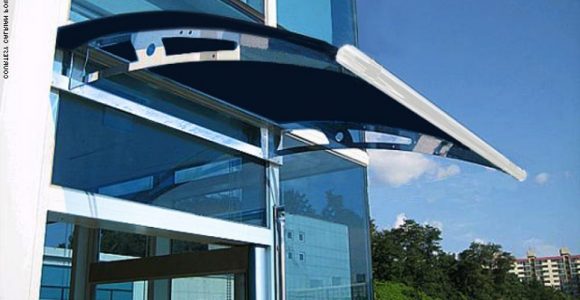
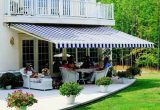
Awning definition, What is an awning? An awning is a cover made from canvas to sanctuary individuals or things from rain or sunlight, usually one will certainly use words awning about a roof-l...
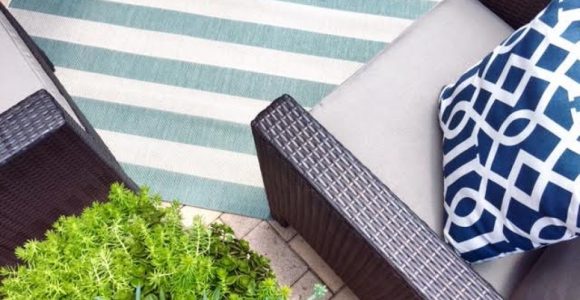


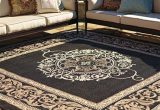
Frontgate outdoor rugs. These days embellishing does not have to be regarding custom-made, it could be regarding where to discover it currently and also exactly how to make it function for you. T...

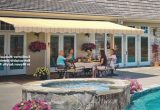
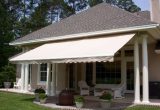


Retractable awning prices is influenced in various other means, too. On-line assemblers bill delivery costs, however this is more than balanced out by the reality they don't charge sales tax (bes...

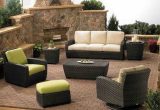
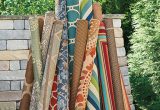
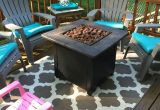
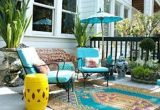
bed bath and beyond outdoor rugs (additionally called location rugs) not just include to the appearance of a space, yet likewise develop a setting including form, shade, and structure. Residence ...