Nuloom Outdoor Rugs
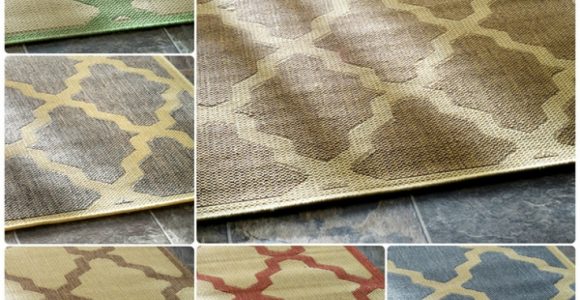



Nuloom Outdoor Rugs with pictures released for to offer the concepts to influence enhancing your home. This post of Nuloom Outdoor Rugs have of our collection pictures as well as gallery for embe...
Nuloom Outdoor Rugs with pictures released for to offer the concepts to influence enhancing your home. This post of Nuloom Outdoor Rugs have of our collection pictures as well as gallery for embe...
A bare fence can make a garden feel enclosed, flat, and unfinished, but it also offers valuable space for planting. By attaching containers, pockets, shelves, or modular panels to the fence, you can create a living wall that adds colour, texture, privacy, and wildlife interest without taking up much floor area.
Fence-mounted planters work in courtyards, balconies, patios, narrow side gardens, and small backyards. The best designs combine practical support with a clear visual rhythm, allowing plants to thrive while keeping the surrounding outdoor space comfortable and easy to maintain.
Before choosing containers or greenery, assess the fence material, available sunlight, watering access, and the weight the structure can safely carry. A successful vertical garden should look attractive from the beginning and remain manageable through changing seasons.
The fence determines which mounting method is suitable. Timber panels can usually support lightweight pots, planter boxes, and hanging pockets when fixings are attached to sturdy posts or rails rather than thin boards. Masonry walls may need appropriate wall plugs, while metal fencing often works best with brackets, hooks, or clamp-on containers.
Weight becomes a serious consideration after watering. A ceramic pot filled with wet compost can be surprisingly heavy, especially when several planters are arranged in a row. Use lightweight resin, fibre, or recycled plastic containers for higher placements, and spread the load across multiple attachment points.
Leave a small gap between planters and the fence where possible. Air circulation helps reduce dampness, mould, and staining, while drainage prevents water from collecting against timber. If the fence is newly installed, check whether it has been treated for outdoor exposure before adding irrigation or moisture-loving plants.
Sunlight changes dramatically across a fence face. South-facing surfaces may receive strong afternoon heat, whereas north-facing fences can remain shaded for much of the day. East-facing positions are often gentler, making them suitable for herbs, leafy plants, and flowers that prefer morning light.
For sunny areas, consider trailing rosemary, thyme, oregano, lavender, marigolds, succulents, strawberries, and compact ornamental grasses. In partial shade, ferns, heucheras, ivy, begonias, mint, parsley, and woodland perennials can provide lush foliage. Always check each plant’s mature size because crowded containers dry out quickly and encourage disease.
Wind exposure is equally important. Tall plants and lightweight pots can become unstable on an exposed boundary, particularly in elevated gardens or open plots. Choose compact varieties, use sturdy brackets, and position delicate plants lower down where the fence offers some protection.
An attractive fence planting scheme benefits from height variation. Combine upright plants, rounded foliage, and trailing stems to prevent the arrangement from appearing like a row of identical pots. A few taller plants can form a backdrop, while cascading greenery softens the edges and conceals brackets.
Colour can be coordinated with the patio, paving, outdoor rug, or garden furniture. Terracotta suits Mediterranean planting and warm brickwork, while charcoal, sage, and cream containers create a calmer contemporary effect. Repeating one or two colours across several planters makes an eclectic collection feel intentional.
Texture keeps a vertical garden interesting when flowers are not in bloom. Pair fine grasses with broad leaves, glossy foliage with silvery herbs, and soft trailing plants with structured succulents. For inspiration on making a wider outdoor area feel private and comfortable, explore patio planting ideas that complement fence-level greenery.
| Planter Style | Best Uses | Advantages | Points To Watch |
|---|---|---|---|
| Hanging pockets | Herbs, annual flowers, leafy plants | Lightweight and flexible | Dry out quickly |
| Wall-mounted pots | Small shrubs, flowers, succulents | Easy to rearrange | Need strong fixings |
| Tiered shelves | Mixed displays and seedlings | Creates clear height changes | Requires a stable frame |
| Narrow troughs | Herbs, grasses, trailing plants | Gives a cohesive linear look | Can become heavy when full |
| Modular living-wall panels | Dense foliage and modern gardens | Neat, scalable appearance | Usually needs regular watering |
Good containers should provide drainage, resist weather, and suit the scale of the fence. Narrow troughs are useful for creating a continuous band of planting, while individual pots make it easier to replace seasonal flowers or move plants into better light. Felt pockets and fabric planters are particularly useful where low weight matters.
Self-watering containers can reduce maintenance in warm weather, though they still need monitoring during prolonged rain. Reservoirs may remain full when the upper compost looks dry, and some plants dislike permanently wet roots. Use a free-draining growing medium and group plants with similar moisture requirements.
Consider how each planter will be accessed. Pots placed above head height are difficult to water, prune, or inspect for pests. Keep the most demanding plants at waist or chest level, and reserve the upper section for hardy varieties that tolerate occasional missed watering.
A vertical garden can dry out faster than ground-level beds because containers have limited soil volume and receive airflow from several sides. Water slowly until moisture drains from the base, then check the compost again during hot periods. Early morning is usually a useful time to water because leaves have time to dry.
For larger installations, a simple drip irrigation line can deliver water consistently to each container. Secure tubing neatly along the fence and include a timer if the garden is difficult to reach. Collecting rainwater for planters can reduce mains water use, provided the storage system is safe, covered, and suitable for the property.
Protect the fence as well as the plants. Use saucers or drainage channels where appropriate, but avoid allowing standing water to sit against timber. Seasonal inspection should include checking screws, brackets, hooks, irrigation connectors, and signs of rot or movement.
A fence-mounted garden does not need to be purely decorative. Culinary herbs such as basil, chives, sage, thyme, coriander, and parsley can be planted close to an outdoor kitchen or dining area. Strawberries, salad leaves, dwarf tomatoes, and compact peppers are also practical choices where the site receives enough sun.
Wildlife-friendly planting adds another layer of value. Lavender, thyme, verbena, sedum, and flowering herbs can attract bees and butterflies, while small evergreen plants provide shelter for insects throughout the year. Avoid filling every container with highly uniform bedding plants if you want a more natural appearance.
For a softer privacy screen, combine planters with climbing supports. Clematis, jasmine, honeysuckle, climbing roses, and annual climbers can cover sections of fencing, although vigorous species need regular training and pruning. Their roots should have adequate soil volume, and the fence must be strong enough to support the mature growth.
A stylish installation should be simple to care for during busy weeks. Group plants according to watering needs rather than placing them solely by colour. Label herbs and edible crops discreetly, and leave enough space between containers to inspect leaves, remove dead growth, and clean the fence behind them.
Use a repeatable layout when working with multiple planters. For example, three rows of matching troughs can create a strong architectural look, while staggered pots can produce a relaxed cottage-garden effect. Repetition prevents a narrow fence from looking cluttered and helps separate planting zones.
These practical choices can make a noticeable difference:
A living fence looks most successful when it relates to the rest of the garden. Echo the colour of nearby cushions, paving, awnings, or furniture through container finishes and flower tones. Repeating natural materials such as timber, terracotta, stone, or woven fibre can make separate features feel like part of one design.
Lighting can extend the effect after sunset. Low-voltage spotlights aimed at foliage create shadows and depth, while discreet string lights can highlight the outline of a planter arrangement. Keep electrical equipment rated for outdoor use and position cables where watering will not create a hazard.
For broader ideas about improving indoor and outdoor living spaces, visit French Creative, where furniture, garden features, and practical home updates can be considered as part of a cohesive residential design.
A carefully planned fence display can transform an ordinary boundary into a useful feature filled with colour, scent, and texture. Begin with a few well-supported planters, observe how the light and moisture behave, then expand the arrangement with plants that genuinely suit the space. Over time, the fence can become a productive herb wall, a wildlife-friendly border, or a rich green backdrop for relaxing outdoors.

Awning definition, What is an awning? An awning is a cover made from canvas to sanctuary individuals or things from rain or sunlight, usually one will certainly use words awning about a roof-l...


Frontgate outdoor rugs. These days embellishing does not have to be regarding custom-made, it could be regarding where to discover it currently and also exactly how to make it function for you. T...

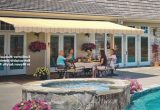
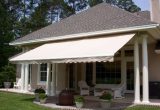


Retractable awning prices is influenced in various other means, too. On-line assemblers bill delivery costs, however this is more than balanced out by the reality they don't charge sales tax (bes...

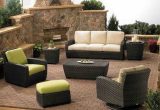

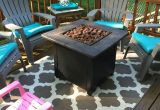
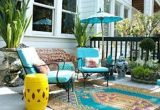
bed bath and beyond outdoor rugs (additionally called location rugs) not just include to the appearance of a space, yet likewise develop a setting including form, shade, and structure. Residence ...