Nuloom Outdoor Rugs
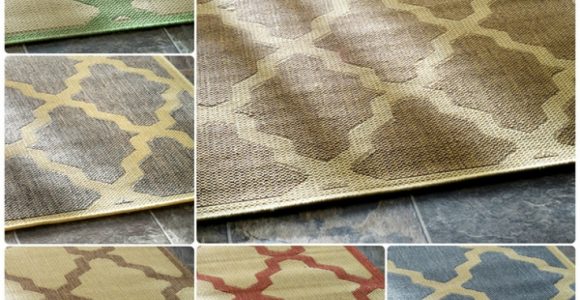



Nuloom Outdoor Rugs with pictures released for to offer the concepts to influence enhancing your home. This post of Nuloom Outdoor Rugs have of our collection pictures as well as gallery for embe...
Nuloom Outdoor Rugs with pictures released for to offer the concepts to influence enhancing your home. This post of Nuloom Outdoor Rugs have of our collection pictures as well as gallery for embe...
A deck can feel exposed when it faces a neighboring property, busy street, or nearby apartment windows. Privacy screens solve part of the problem, but a solid barrier may make the outdoor space feel smaller and block useful light. Trellises offer a softer alternative by adding height, greenery, and visual separation without closing in the entire deck.
Using trellises for vertical garden privacy on a deck allows homeowners to combine practical screening with decorative planting. The framework can support climbing vines, hanging planters, or espaliered shrubs, turning a plain boundary into a living feature. With the right dimensions and materials, it can also complement patio furniture, awnings, paving, and the architectural style of the home.
The best results come from treating the trellis as part of the deck design rather than an afterthought. Consider wind exposure, available sunlight, maintenance needs, and the weight of mature plants before installation. Homeowners looking for broader residential design inspiration can also explore French Creative for ideas that connect indoor comfort with outdoor living.
A trellis creates privacy through layers rather than a completely opaque wall. The structure interrupts sightlines while allowing air to move through the deck area. As vines grow across the frame, leaves and flowers provide additional coverage, producing a natural screen that changes with the seasons.
This approach is especially useful on compact decks. A vertical garden uses wall and railing space instead of valuable floor area, leaving room for a dining set, lounge chairs, or a compact barbecue. Tall planters placed at the base can anchor the screen without requiring a wide planting bed.
Trellises also bring texture and color to an otherwise hard landscape. Wood adds warmth, metal contributes a clean contemporary look, and composite materials can echo the appearance of decking. When paired with outdoor rugs, cushions, and lighting, a planted privacy screen can make the deck feel like a finished room.
The height of the trellis should respond to the privacy problem rather than automatically reaching as high as possible. A screen that blocks a neighbor’s second-story window may need additional height, while a railing-level view can often be softened with a structure between five and seven feet tall. Check local regulations and any property or condominium restrictions before building.
Freestanding trellises are flexible because they can be moved, repositioned, or removed without attaching directly to the house. They work well at the deck edge and can be stabilized with weighted planters or secure posts. Wall-mounted trellises save space, although the mounting surface must be suitable and the structure should be kept slightly away from siding to preserve airflow.
For a stronger architectural effect, use several narrow panels rather than one oversized screen. Repeated sections create rhythm and allow small gaps between panels. An angled trellis can direct views away from seating while preserving sunlight, and a curved or arched design can soften the straight lines of a modern deck.
Sun exposure determines which climbing plants will thrive. A south-facing deck may support sun-loving options such as star jasmine, clematis, or climbing roses, while a shaded northern position may be better for ivy, climbing hydrangea, or certain evergreen vines. Confirm that the selected plant is appropriate for the local climate before purchasing.
Wind deserves equal attention. Dense foliage catches strong gusts, increasing pressure on the trellis, planters, and deck attachments. Use sturdy brackets, well-anchored posts, and a structure with some open spacing. In exposed locations, a series of partially screened panels is often safer than one continuous leafy wall.
Leave room for the plants to mature. A young vine may look sparse during its first year, but aggressive varieties can eventually overwhelm a small frame, interfere with gutters, or reach neighboring structures. Install horizontal wires, clips, or a grid that guides growth without forcing stems into siding, railings, or electrical fixtures.
Evergreen climbers provide the most consistent privacy because they retain foliage through much of the year. Depending on the climate, choices may include jasmine, evergreen honeysuckle, climbing euonymus, or certain varieties of clematis. These plants are valuable where the deck is used in every season and winter screening matters.
Flowering vines add seasonal color and fragrance. Wisteria, climbing roses, trumpet vine, and morning glory can create a dramatic display, but their growth habits vary considerably. Some need frequent pruning, while others become heavy and woody. Research mature size, root behavior, toxicity, and support requirements before planting.
Container gardening makes a trellis more adaptable. Choose deep, stable planters with drainage holes, and use a high-quality potting mix suited to the plant. A drip irrigation line or self-watering container can simplify summer care. Mulch helps retain moisture, but keep it away from stems to reduce the chance of rot.
A mixed screen can combine evergreen foliage with annual flowers or trailing herbs. For example, a permanent vine can form the structure while seasonal pots provide color near the seating area. This layered approach creates privacy at different heights and keeps the planting design interesting throughout the year.
The material affects durability, maintenance, appearance, and planting capacity. It should suit the deck surface and the surrounding exterior finishes rather than compete with them. A wood trellis may coordinate with cedar furniture, while black metal can match contemporary railings, lighting, or window frames.
| Material | Visual Character | Maintenance | Best Use |
|---|---|---|---|
| Cedar or redwood | Warm, natural, traditional | Seal periodically and inspect for weathering | Cottage, rustic, and classic decks |
| Pressure-treated wood | Practical and economical | Paint or stain as needed | Larger privacy structures and budget projects |
| Powder-coated metal | Sleek, strong, contemporary | Low maintenance; check for scratches | Modern decks and lightweight climbers |
| Vinyl or composite | Clean and consistent | Occasional washing | Low-maintenance homes and damp climates |
| Woven willow or bamboo | Organic and relaxed | More frequent replacement | Temporary screens and informal gardens |
Heavy vines require a stronger support system than lightweight annuals. Metal panels and well-built timber frames are generally better for plants that develop thick stems or substantial foliage. Lightweight bamboo screens can be attractive, but they may need replacement or reinforcement in areas with harsh weather.
Color is another design consideration. Painting a trellis in a dark tone can make foliage stand out and reduce the visual prominence of the framework. Pale finishes reflect more light and can make a narrow deck feel open. Use exterior-rated paint, stain, or powder coating to protect the material from moisture and ultraviolet exposure.
A successful deck privacy screen should look intentional from both sides. Finish the back of the trellis neatly, conceal irrigation lines where possible, and avoid placing planters where they obstruct walking routes or door swings. If the deck connects directly to an interior room, coordinate the screen with nearby window treatments and furniture colors.
Use lighting to extend the effect into the evening. Small solar fixtures, low-voltage uplights, or discreet string lights can highlight leaves and create a comfortable atmosphere without shining into neighboring homes. Keep cables protected from rain and foot traffic, and position lights so the screen remains decorative rather than glaring.
The following choices can help balance privacy, appearance, and long-term care:
Routine care prevents a vertical privacy garden from becoming untidy or unsafe. Inspect fasteners at the start of each growing season, especially after storms or heavy snowfall. Look for loose connections, warped timber, rust, and signs that planters are shifting under the weight of mature growth.
Pruning is essential for both appearance and structural health. Remove dead stems, redirect new shoots, and thin dense areas where air circulation is poor. Keep vines away from gutters, roof edges, cables, and neighboring fences. If a plant repeatedly exceeds its space, replace it with a more suitable variety rather than relying on severe cutting.
Watering needs change as plants grow. Containers may dry quickly during hot weather, while overwatering can damage roots and stain deck boards. Use saucers or raised feet beneath planters to protect the surface, but ensure excess water can drain freely. Periodically move containers slightly to inspect the decking and prevent trapped moisture.
With thoughtful planning, a trellis can become much more than a privacy barrier. It can frame a dining area, soften a fence line, support pollinator-friendly planting, and give a deck the comfort of an outdoor room. Choose the structure, plants, and finishes together, then build the screen to suit the way the space is actually used. Start with one well-positioned panel or planter, and develop the rest of the vertical garden as the deck’s privacy and planting needs become clear.
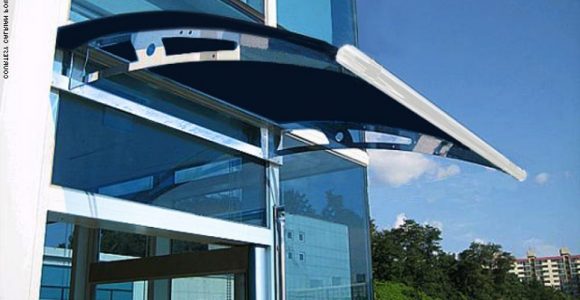
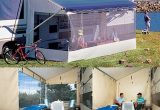
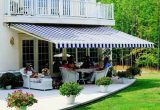
Awning definition, What is an awning? An awning is a cover made from canvas to sanctuary individuals or things from rain or sunlight, usually one will certainly use words awning about a roof-l...
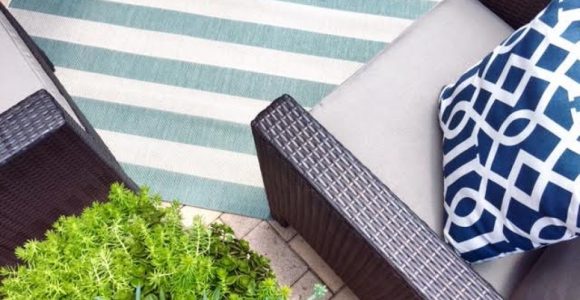


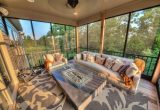
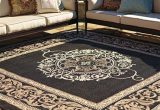
Frontgate outdoor rugs. These days embellishing does not have to be regarding custom-made, it could be regarding where to discover it currently and also exactly how to make it function for you. T...

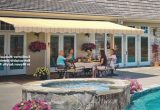
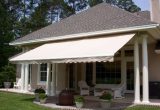


Retractable awning prices is influenced in various other means, too. On-line assemblers bill delivery costs, however this is more than balanced out by the reality they don't charge sales tax (bes...

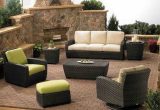

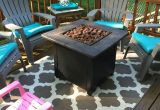
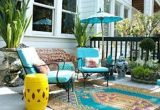
bed bath and beyond outdoor rugs (additionally called location rugs) not just include to the appearance of a space, yet likewise develop a setting including form, shade, and structure. Residence ...