Nuloom Outdoor Rugs
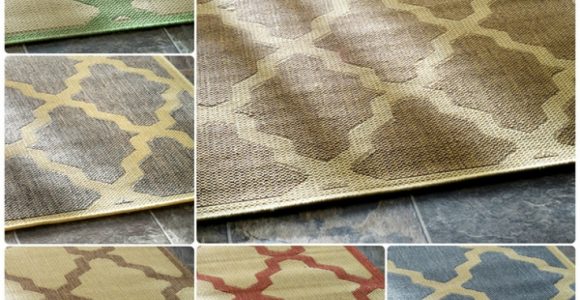



Nuloom Outdoor Rugs with pictures released for to offer the concepts to influence enhancing your home. This post of Nuloom Outdoor Rugs have of our collection pictures as well as gallery for embe...
Nuloom Outdoor Rugs with pictures released for to offer the concepts to influence enhancing your home. This post of Nuloom Outdoor Rugs have of our collection pictures as well as gallery for embe...
A deck can turn an ordinary garden into a useful extension of the home. It creates room for outdoor dining, morning coffee, children’s play, and relaxed evenings, while also giving a property a stronger visual connection with its landscape. The material chosen for that surface affects its appearance, comfort, maintenance needs, and long-term value.
Wood and composite decking are the two most common choices for residential projects. Wood offers natural character and a warm, tactile finish, while composite boards provide consistent colour and reduced upkeep. Neither option is ideal for every garden, budget, or household, so the right decision depends on priorities as much as initial price.
Climate, shade, drainage, foot traffic, and the design of the surrounding property should all influence the selection. A carefully planned deck can last for many years, but even the best boards will perform poorly if the frame, fixings, ventilation, or ground preparation are overlooked.
Decking is exposed to rain, sunlight, temperature changes, dirt, and regular use. Moisture can lead to swelling, staining, rot, or mould, while strong ultraviolet light may fade the surface. A deck beside a swimming pool or lawn may also experience more water, mud, and foot traffic than a sheltered balcony.
The structure beneath the boards is equally important. Joists should be properly spaced, level, and protected from prolonged dampness. Good airflow beneath the deck helps the boards dry after rain, and suitable drainage prevents water from collecting around posts or foundations. These construction details influence longevity regardless of whether the surface is timber or composite.
The setting also affects comfort. Dark boards can become hot in full sun, while smooth surfaces may feel more refined but can become slippery when wet. A deck should complement paving, fencing, planting, outdoor rugs, and garden furniture rather than being treated as an isolated feature.
Timber decking remains popular because it has an authentic appearance that manufactured boards find difficult to copy perfectly. Softwoods such as treated pine are usually more affordable, while hardwoods including oak, teak, ipe, and balau offer greater density and distinctive grain patterns. Wood can be stained or painted in many colours, making it adaptable to traditional and contemporary homes.
Natural timber is also pleasant underfoot. It does not always feel as hot as dark composite boards in direct sun, and its subtle variation gives a garden a relaxed, organic quality. Small scratches or marks can often be sanded and refinished instead of requiring replacement, which is useful in busy family gardens.
Wood has environmental advantages when it is responsibly sourced and maintained for a long service life. Look for certified timber and ask suppliers about the origin, treatment process, and expected durability. Local species may also reduce transport impacts and create a more coherent connection with regional architecture and planting.
The main drawback is ongoing care. Most timber decking needs regular sweeping, cleaning, and periodic application of oil, stain, or protective treatment. Without maintenance, boards may fade to silver, develop surface cracks, absorb moisture, or become vulnerable to decay. Softwood can also be more prone to dents and splintering than dense hardwood.
Composite decking is commonly manufactured from a blend of recycled wood fibres, plastics, and binding agents. The result is a board that resembles timber while offering greater resistance to rot, insects, and moisture. Its consistent dimensions can make installation straightforward, especially when used with a compatible hidden-fixing system.
Low maintenance is the strongest argument for composite materials. They generally do not need annual staining or oiling, and routine care usually involves brushing away debris and washing the surface with mild soap and water. This can appeal to homeowners who want to spend time using the garden rather than preserving its surfaces.
Composite boards are available in a broad range of colours and textures. Some replicate the grain of oak or walnut, while others have a clean, modern appearance. Matching fascia boards, steps, railings, and edging can create a polished finish across the entire deck. High-quality products also resist fading more effectively than earlier generations of composite decking.
However, composite is not maintenance-free. Leaves, food spills, algae, and dirt can still leave marks, particularly in damp or shaded locations. Some boards may scratch, and deep damage can be difficult to repair invisibly. A replacement board may be required rather than sanding the affected area.
Heat is another consideration. Dark composite decking can become uncomfortable in strong sunshine, especially around south-facing gardens. Boards may also expand and contract as temperatures change, so correct spacing and installation are essential. Budget composite products can look less natural, feel hollow, or fade sooner than premium alternatives.
The purchase price tells only part of the story. Pressure-treated softwood is usually the least expensive surface material, but its lifetime cost includes cleaning products, stain, repairs, and possible board replacement. Hardwood costs more initially and may require specialist installation, yet its strength and appearance can justify the investment in a high-end garden.
Composite decking often has a higher upfront cost than basic timber. Installation may be comparable to hardwood, particularly when the system uses proprietary clips, trims, and subframes. Its reduced finishing requirements can narrow the cost difference over time, although the actual saving depends on the product’s lifespan and the owner’s maintenance habits.
Warranty length can provide useful guidance, but it should not be the only measure of quality. Check what the warranty covers, including fading, staining, structural performance, and installation conditions. A long warranty may exclude poor ventilation, incorrect spacing, harsh cleaning chemicals, or damage caused by furniture and heavy loads.
| Feature | Wood Decking | Composite Decking |
|---|---|---|
| Initial cost | Usually lower for softwood; higher for hardwood | Generally moderate to high |
| Appearance | Natural grain and colour variation | Consistent colours with manufactured grain |
| Maintenance | Regular cleaning, staining, or oiling | Routine cleaning with occasional stain treatment |
| Repair | Can often be sanded or replaced in sections | Scratches may be harder to disguise |
| Moisture resistance | Depends on species and treatment | Generally strong resistance to rot and insects |
| Heat in sunlight | Often moderate, depending on colour | Dark boards can become notably hot |
| Expected lifespan | Varies widely by timber and care | Often long, depending on quality and installation |
| Sustainability | Strong when timber is certified and durable | May include recycled content but uses plastics |
The best decking material should support the broader design of the outdoor space. Warm brown timber suits cottage gardens, brick homes, and natural planting, while grey or charcoal composite can complement rendered walls, contemporary fencing, and minimalist landscaping. Board width, direction, border detailing, and stair design can change the visual effect as much as colour.
Think about how the deck will be furnished. Outdoor dining sets, loungers, planters, and storage boxes add weight and may create areas where leaves or water collect. Leave enough circulation space around furniture and avoid placing large items directly against walls, where ventilation is limited.
Shade can improve comfort and protect furniture from strong sunlight. A retractable canopy, pergola, or awning can make the deck more usable throughout the day. For guidance on choosing a suitable covering, explore these awning materials alongside the decking decision. The colour and structure of the shade should relate to the boards, exterior walls, and nearby planting.
Drainage deserves attention when a deck is positioned near doors or alongside the house. The surface should direct water away from the building, while thresholds must be detailed to reduce the risk of damp entering the interior. Raised decks may require balustrades, planning checks, and careful consideration of privacy for neighbouring properties.
Wood is a strong choice for homeowners who value natural variation, enjoy seasonal maintenance, and want the flexibility to refresh the finish. It can be especially suitable for smaller decks where sanding and recoating are manageable. The ability to change colour over time also helps timber adapt when garden furniture or exterior paint is updated.
Composite is often better suited to households seeking predictable appearance and fewer regular treatments. It can work well for large entertaining areas, holiday properties, and gardens where owners want a durable surface with simple cleaning requirements. The most successful results usually come from selecting a reputable product rather than choosing solely by price.
Pets and children may influence the decision. Look for boards with a suitable slip rating, rounded edges, and a surface that will not easily splinter. Composite is resistant to many forms of moisture damage, but timber can be repaired more easily if a small area is marked. In either case, clean spills promptly and keep the surface free from organic debris.
For inspiration across furniture, landscaping, outdoor structures, and interior improvements, French Creative offers ideas that can help connect the deck with the rest of the property. A coordinated scheme feels more considered than a deck selected without reference to the home’s materials and proportions.
Before ordering boards, review the project as a whole:
A timber deck and a composite deck can both create an attractive, durable outdoor room when the design and installation are handled carefully. Choose wood for authentic texture, repairability, and a potentially lower starting cost; choose composite for consistent styling, moisture resistance, and a simpler care routine. Visit a reputable supplier, compare samples in natural light, and build the decision around how the space will be used for years to come.
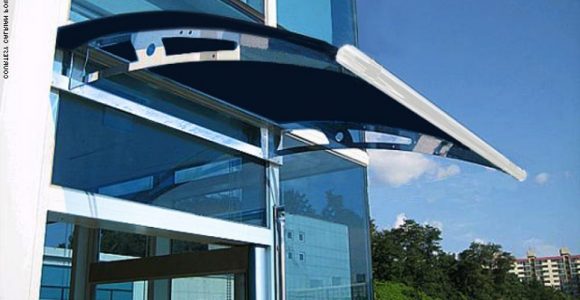
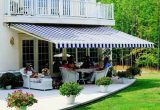
Awning definition, What is an awning? An awning is a cover made from canvas to sanctuary individuals or things from rain or sunlight, usually one will certainly use words awning about a roof-l...
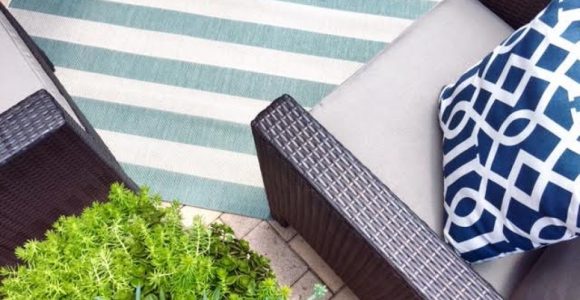


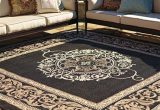
Frontgate outdoor rugs. These days embellishing does not have to be regarding custom-made, it could be regarding where to discover it currently and also exactly how to make it function for you. T...

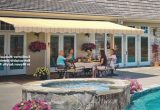
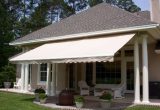


Retractable awning prices is influenced in various other means, too. On-line assemblers bill delivery costs, however this is more than balanced out by the reality they don't charge sales tax (bes...

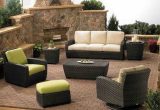
bed bath and beyond outdoor rugs (additionally called location rugs) not just include to the appearance of a space, yet likewise develop a setting including form, shade, and structure. Residence ...