Nuloom Outdoor Rugs
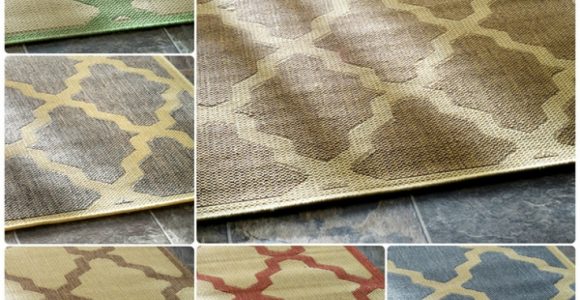



Nuloom Outdoor Rugs with pictures released for to offer the concepts to influence enhancing your home. This post of Nuloom Outdoor Rugs have of our collection pictures as well as gallery for embe...
Nuloom Outdoor Rugs with pictures released for to offer the concepts to influence enhancing your home. This post of Nuloom Outdoor Rugs have of our collection pictures as well as gallery for embe...
A patio can feel exposed when it faces a neighboring garden, busy pathway, or upper-storey window. Potted trees offer a flexible way to create screening and filtered shade without committing to permanent planting. They can define an outdoor room, soften hard paving, and bring height to a small terrace or balcony.
The right choice depends on your climate, available space, container size, and the kind of atmosphere you want to create. Evergreen species provide year-round privacy, while deciduous trees often deliver brighter seasonal color and a lighter canopy. The best patio trees also need to tolerate restricted roots, regular watering, and the reflected heat that comes from walls and paving.
A successful arrangement usually combines one or two taller specimens with lower planters, comfortable seating, and shade-friendly accessories. For water-wise planting around the containers, these succulent patio ideas can help create a cohesive, low-maintenance setting.
Container-grown trees need a naturally manageable root system and a growth habit that responds well to pruning. A tree that becomes enormous in open ground may remain healthy in a pot for several years, but it will eventually need intensive maintenance, a larger container, or relocation. Dwarf cultivars and naturally compact varieties are generally safer choices.
The container must be heavy enough to prevent wind damage, especially when the tree has a dense crown. Large terracotta, concrete, stone, fiberglass, or frost-resistant composite planters can all work well. Drainage holes are essential, and a pot should be wide enough to remain stable as the canopy develops.
Sun exposure is equally important. Most flowering and fruiting trees prefer at least six hours of direct light, while Japanese maple and some evergreen shrubs appreciate morning sun with protection from intense afternoon heat. Check the mature height and spread before buying, then leave enough room for airflow between plants, walls, and furniture.
Bay laurel is a strong choice for a classic, architectural patio. Its glossy leaves remain attractive through winter, and the foliage can be clipped into a neat standard or rounded form. Bay also provides aromatic leaves for cooking, although edible growth should only be harvested when the plant has been grown without unsuitable chemicals. Place it in full sun or light partial shade and allow the soil to dry slightly between waterings.
Olive trees offer a Mediterranean appearance, silvery foliage, and excellent tolerance of dry conditions once established. They are especially effective beside pale paving, outdoor rugs, and natural stone walls. Compact or fruitless cultivars are often more convenient for patios because they produce less mess. Olive trees need excellent drainage and may require winter protection in areas with severe frost.
For denser screening, consider clumping bamboo rather than running bamboo. Non-invasive clumping forms can create a tall, gently moving green wall in large planters, while their narrow stems take up less visual space than a broad-canopied tree. Keep bamboo evenly watered during hot weather, and use a strong container with sufficient depth to support the root mass.
Japanese maple is ideal when the goal is elegance, dappled shade, and seasonal color rather than a solid privacy barrier. Its delicate leaves create a soft canopy above a seating area, and cultivars range from green to burgundy, orange, and gold. Smaller laceleaf varieties are well suited to containers, especially when placed where they receive morning light and afternoon shelter.
A patio-grown Japanese maple should not be allowed to dry out completely, yet it should never sit in saturated soil. Use a moisture-retentive but free-draining compost and add a mulch layer to reduce evaporation. Strong winds can scorch the leaves, so position the tree near a wall or screen without trapping hot, stagnant air.
Dwarf fruit trees, including apple, pear, cherry, and citrus, can combine shade, privacy, blossom, and harvests. Their crowns are usually more open than those of evergreen trees, creating comfortable filtered light. Citrus trees are particularly attractive on sunny patios, though they may need to move into a sheltered greenhouse, conservatory, or bright indoor space during cold winters.
The table below provides a practical starting point, but local growing conditions and the specific cultivar matter more than the general category. A naturally compact tree in the correct hardiness range will outperform a larger species forced into an unsuitable container.
| Tree | Privacy and shade value | Light preference | Container considerations |
|---|---|---|---|
| Bay laurel | Dense evergreen screening and moderate shade | Full sun to partial shade | Use a heavy pot; prune regularly |
| Olive | Light evergreen screening and filtered shade | Full sun | Needs sharp drainage and winter protection in cold regions |
| Clumping bamboo | Tall, dense privacy screen with moving shade | Sun to partial shade | Choose a deep, sturdy planter and water consistently |
| Japanese maple | Soft seasonal screening and dappled shade | Morning sun, afternoon protection | Keep roots cool and soil evenly moist |
| Dwarf citrus | Open canopy, blossom, and edible fruit | Full sun | Feed during growth; protect from frost |
| Dwarf apple or pear | Seasonal shade, blossom, and fruit | Full sun | Select a grafted patio cultivar and thin fruit if needed |
| Star jasmine trained as a standard | Evergreen foliage and scented flowers | Full sun to partial shade | Provide support and trim after flowering |
Privacy is rarely achieved by placing a single tree directly in front of a problem view. A layered arrangement is more convincing and more comfortable. Use a taller potted tree at the exposed edge, then add medium-height shrubs, ornamental grasses, or trellis plants beneath it. This approach blocks sightlines at several levels while preserving movement through the patio.
Containers can also divide the patio into functional zones. A pair of matching trees at the end of a dining area creates a visual gateway, while an offset group can screen a lounge from the rest of the garden. Avoid placing every pot against the boundary; bringing some planters closer to the seating area can make the space feel enclosed without requiring a continuous wall.
Consider the shadows cast throughout the day. A tree positioned on the western side of a patio can provide valuable late-afternoon shade, while one on the southern side may block winter sunlight. If privacy is the priority, evergreen foliage is useful, but an open deciduous canopy may be preferable where winter brightness and warmth matter.
Use a high-quality container mix that drains freely while retaining enough moisture for the tree’s roots. Garden soil is usually too dense for pots and can restrict drainage. A slow-release fertilizer applied in spring is suitable for many trees, though fruiting plants may benefit from a more specific feeding schedule during flowering and fruit development.
Water thoroughly until moisture runs from the drainage holes, then check the soil before watering again. Large containers dry more slowly than small ones, but trees near hot walls or exposed paving can still need frequent attention in summer. A moisture meter can help, although checking the soil several inches below the surface is often just as effective.
Pruning should maintain a balanced canopy rather than repeatedly reducing the tree to a much smaller size. Remove dead, damaged, or crossing branches and trim dense growth to improve airflow. Refresh the top layer of compost each spring, and repot when roots circle heavily, water runs straight through, or new growth becomes weak.
Outdoor comfort also depends on fabrics and finishes. When a potted tree shades a dining or lounge area, choose cushions designed to withstand bright sunlight and changing weather; this guide to UV-resistant cushion fabric explains which qualities help furnishings remain attractive for longer.
The most frequent mistake is choosing a tree based only on its appearance at the garden center. A young specimen may look perfectly proportioned, yet its mature height, root mass, and watering requirements can make it unsuitable for a small terrace. Read the plant label carefully and research the cultivar rather than relying on the common name alone.
Overly small containers create several problems. They dry out quickly, become unstable in wind, and limit root growth. A large pot is not automatically better if it holds cold, wet compost around a small root ball, so increase container size gradually and make sure excess water can escape.
Trees can also become top-heavy after a period of vigorous growth. Use a sheltered location, choose a broad-based planter, and consider discreetly securing large containers where strong winds are common. Check for pests such as scale, aphids, and spider mites, particularly when foliage is stressed by drought or excessive heat.
Before buying, assess the patio as a complete living space rather than treating the tree as an isolated decoration. These decisions will help match the plant to the setting:
A thoughtful combination of potted trees can make a patio feel cooler, more private, and more connected to the rest of the garden. Start with the main sightline or hottest seating area, choose one reliable structural plant, and build around it with complementary containers and comfortable furniture. With the right species and ongoing care, your patio can become a shaded outdoor room that remains useful and attractive across the seasons.
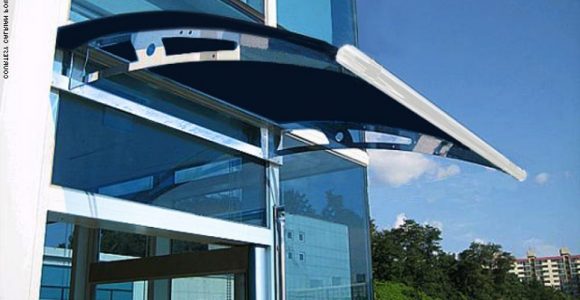
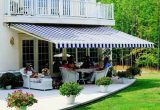
Awning definition, What is an awning? An awning is a cover made from canvas to sanctuary individuals or things from rain or sunlight, usually one will certainly use words awning about a roof-l...
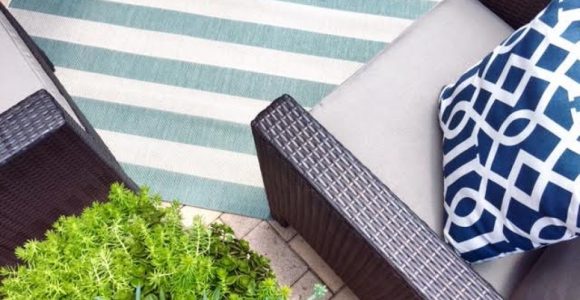


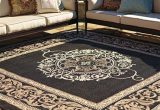
Frontgate outdoor rugs. These days embellishing does not have to be regarding custom-made, it could be regarding where to discover it currently and also exactly how to make it function for you. T...

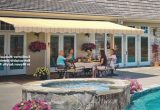
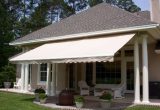


Retractable awning prices is influenced in various other means, too. On-line assemblers bill delivery costs, however this is more than balanced out by the reality they don't charge sales tax (bes...

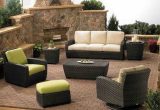

bed bath and beyond outdoor rugs (additionally called location rugs) not just include to the appearance of a space, yet likewise develop a setting including form, shade, and structure. Residence ...