Nuloom Outdoor Rugs




Nuloom Outdoor Rugs with pictures released for to offer the concepts to influence enhancing your home. This post of Nuloom Outdoor Rugs have of our collection pictures as well as gallery for embe...
Nuloom Outdoor Rugs with pictures released for to offer the concepts to influence enhancing your home. This post of Nuloom Outdoor Rugs have of our collection pictures as well as gallery for embe...
A sunny patio offers excellent growing conditions for many flowers, herbs, vegetables, and ornamental plants. Containers make it possible to bring greenery onto paving, balconies, terraces, and small outdoor seating areas without reshaping the entire garden. With the right plant choices, pots can soften hard surfaces, frame a dining area, and add color from spring through autumn.
The strongest candidates for a bright patio share several qualities. They tolerate intense light, cope with warm soil around their roots, and recover reasonably well when watering is delayed. Some prefer dry, lean conditions, while others need consistently moist compost, so matching each plant to its container and care routine is essential.
A successful arrangement also depends on scale and placement. Tall plants can create privacy near a fence, trailing varieties can spill over the edge of a raised planter, and compact flowers work well around a bistro table. The best patio displays combine practical care with a clear visual relationship between plants, furniture, paving, and shade.
Before selecting plants, observe how much sun the patio receives and how that light changes during the day. Six or more hours of direct sunlight suits classic sun lovers such as lavender, rosemary, geraniums, lantana, and many ornamental grasses. A south-facing wall can create even hotter conditions because masonry reflects and stores heat.
Wind exposure matters too. A sunny terrace on an upper level may dry out containers rapidly, while a sheltered courtyard can become humid and still. Plants with flexible stems, compact growth, or silver foliage often handle exposed conditions better than delicate, top-heavy varieties. If the patio is surrounded by pale paving, choose plants that can tolerate additional reflected heat.
Container size has a direct effect on plant health. Small pots warm and dry quickly, so they are better for drought-tolerant herbs and succulents than moisture-loving annuals. Larger containers provide more root space and a steadier supply of water, making them suitable for tomatoes, small shrubs, grasses, and mixed planting schemes.
Geraniums, petunias, calibrachoa, marigolds, and lantana are reliable choices for a bright outdoor sitting area. Geraniums bring strong upright color and cope well with short dry spells. Petunias and calibrachoa produce abundant flowers in hanging baskets and window boxes, where their trailing stems can soften the edges of hard landscaping.
Lantana is particularly useful for hot patios because it enjoys warmth and attracts bees and butterflies. Its clusters of pink, orange, yellow, or white flowers continue through much of the growing season when faded blooms are removed. Marigolds offer cheerful color in compact pots and can be combined with herbs or edible plants.
For a more refined display, consider salvias, osteospermum, verbena, or gaura. Salvias provide vertical interest and nectar-rich flowers, while osteospermum offers daisy-like blooms in shades that complement contemporary paving. Gaura has airy stems that move gently in the breeze, bringing a lighter texture to patios filled with substantial furniture or large planters.
A sunny patio is ideal for a productive container garden. Rosemary, thyme, oregano, sage, and chives are compact, useful, and attractive enough to sit beside outdoor dining furniture. Mediterranean herbs prefer gritty, free-draining compost and should be allowed to dry slightly between waterings. Their aromatic leaves release a pleasant scent when brushed against.
Basil needs more moisture and warmth than rosemary or thyme, making it a good choice for a pot close to the kitchen door. Regular harvesting encourages fresh growth, but basil should be protected from cold nights. Mint is vigorous and should be planted alone because its roots can quickly fill a mixed container.
Tomatoes, peppers, and eggplants reward a sunny position with edible crops, though they need larger pots, regular feeding, and dependable watering. Cherry tomatoes are especially suitable for patios because compact varieties can be supported with a cane or small trellis. Strawberries work well in tiered planters or hanging baskets, keeping fruit away from damp ground.
When planning an edible display, use containers with drainage holes and avoid placing thirsty crops beside drought-loving herbs. Grouping plants according to their water needs simplifies maintenance and prevents either root rot or unnecessary stress.
The following comparison helps match plants with typical patio conditions. Mature size varies by cultivar, so check the label before buying and allow enough room for airflow around each plant.
| Plant | Light Preference | Watering Needs | Best Container Use | Main Benefit |
|---|---|---|---|---|
| Lavender | Full sun | Low to moderate | Terracotta pot or border container | Fragrance and pollinator appeal |
| Rosemary | Full sun | Low | Deep individual pot | Evergreen structure and culinary leaves |
| Lantana | Full sun | Moderate | Large feature pot | Long-lasting flowers and heat tolerance |
| Geranium | Full sun | Moderate | Window box or mixed planter | Strong seasonal color |
| Ornamental Grass | Full sun | Low to moderate | Tall architectural container | Movement, height, and texture |
| Basil | Full sun | Moderate to high | Kitchen garden pot | Fresh edible leaves |
| Cherry Tomato | Full sun | High | Large supported container | Productive summer crop |
| Sedum | Full sun | Low | Shallow succulent bowl | Drought tolerance and sculptural form |
A patio planting scheme becomes more interesting when it includes foliage plants alongside flowers. Ornamental grasses such as fountain grass, blue fescue, and compact miscanthus add movement and fine texture. Their upright or arching forms can frame a doorway, screen a utility area, or balance broad-leaved plants in a large container.
Cordyline, phormium, and dwarf banana plants create a tropical mood in warm, sheltered spaces. They need generous containers and regular watering during hot weather, especially when their leaves are large. In colder regions, move tender specimens into a protected location before frost or grow them as seasonal focal points.
For a low-maintenance arrangement, combine succulents such as echeveria, sempervivum, aloe, and sedum. Their fleshy leaves store water, so they tolerate bright exposure and occasional missed watering. Use a gritty compost mix and avoid placing them in saucers filled with standing water. Their varied shapes work especially well with modern concrete, stone, or metal planters.
Silver foliage is a useful design tool in intense sunlight. Lavender, curry plant, dusty miller, and artemisia reflect light and create a calm color palette. These plants pair easily with terracotta, pale paving, and natural timber, helping the patio feel connected to a relaxed garden setting.
Container placement should support how the patio is used. Keep thorny or fragile plants away from walking routes and dining chairs, while placing fragrant herbs near seating or an exterior door. Tall pots can define the edge of a lounge area without the permanence of a hedge, and a row of matching planters can make a broad paved space feel more organized.
Think in layers when composing a mixed planter. A central upright plant provides height, rounded flowers fill the middle, and a trailing plant softens the rim. For example, combine a compact grass with lantana and trailing thyme, or pair a salvia with silver foliage and a low-growing sedum. Use plants with similar water and light requirements so the arrangement remains manageable.
Color should relate to the wider outdoor scheme. Blue and purple flowers complement gray paving and silver furniture, while warm orange and red blooms enliven brick, timber, or dark fencing. Green foliage is the connecting element, so even a restrained display benefits from several leaf shapes and shades.
For broader inspiration on arranging attractive residential spaces, explore French Creative alongside your patio planting plans. The same attention to proportion, materials, and comfort used for furniture or paving can guide the selection of pots and plants.
Container plants generally need more attention than plants growing in open ground because their roots have less access to moisture. Check the compost with a finger before watering, and soak the surface thoroughly until water drains from the bottom. During heatwaves, morning watering is usually best because plants can absorb moisture before the hottest part of the day.
Avoid relying on frequent, shallow splashes. Deep watering encourages roots to grow through the full container, while a thin layer of mulch can slow evaporation. Bark, gravel, or decorative pebbles also help keep compost from drying rapidly, although they may make it harder to judge moisture by sight.
Feed flowering and edible plants during their active growing season according to the product instructions. Deadhead spent flowers to encourage new buds, remove damaged leaves, and rotate pots occasionally so growth remains even. Check underneath leaves for aphids, whitefly, and spider mites, particularly when the patio is hot and dry.
Drainage is just as important as watering. Raise containers slightly on pot feet so excess water can escape, and choose frost-resistant pots if they will remain outside through winter. Large planters should be positioned carefully before filling because they become difficult to move once saturated with compost and established roots.
A few deliberate choices can keep a sunny patio garden attractive without turning care into a daily burden. Prioritize plants that suit the actual exposure, then repeat a small number of varieties to create visual rhythm rather than filling every container with unrelated specimens.
A carefully selected collection of sun-loving plants can transform even a simple paved patio into a welcoming extension of the home. Begin with a few dependable anchors, such as rosemary, lavender, ornamental grass, or lantana, then add seasonal flowers and edible crops around them. Choose attractive containers that complement the surrounding furniture and materials, and refresh the arrangement as the seasons change.





Awning definition, What is an awning? An awning is a cover made from canvas to sanctuary individuals or things from rain or sunlight, usually one will certainly use words awning about a roof-l...
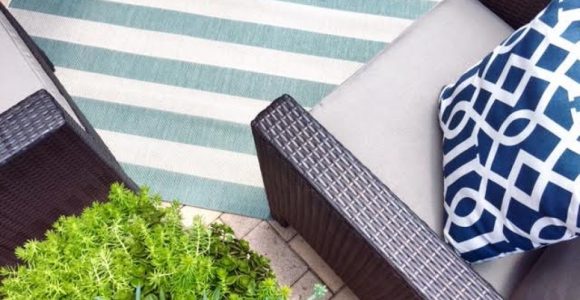




Frontgate outdoor rugs. These days embellishing does not have to be regarding custom-made, it could be regarding where to discover it currently and also exactly how to make it function for you. T...





Retractable awning prices is influenced in various other means, too. On-line assemblers bill delivery costs, however this is more than balanced out by the reality they don't charge sales tax (bes...





bed bath and beyond outdoor rugs (additionally called location rugs) not just include to the appearance of a space, yet likewise develop a setting including form, shade, and structure. Residence ...