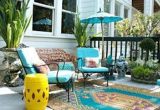
Nuloom Outdoor Rugs
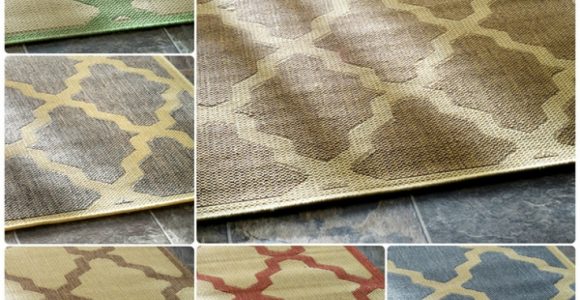



Nuloom Outdoor Rugs with pictures released for to offer the concepts to influence enhancing your home. This post of Nuloom Outdoor Rugs have of our collection pictures as well as gallery for embe...
Nuloom Outdoor Rugs with pictures released for to offer the concepts to influence enhancing your home. This post of Nuloom Outdoor Rugs have of our collection pictures as well as gallery for embe...
A trellis or arbor becomes a three-dimensional garden feature when the right climber covers it without overwhelming the structure. The best climbing plants for a trellis or arbor combine attractive foliage or flowers with manageable growth, reliable attachment and tolerance of the site’s sun, wind and soil. Selecting by habit as well as appearance helps the planting remain attractive for years rather than becoming a yearly pruning struggle.
Australian conditions vary sharply across the country, so a plant admired in a wet Brisbane garden may struggle in a dry Perth courtyard. Perth and Adelaide generally offer hot, dry summers and mild winters; Melbourne can bring frost and cool spring growth; Sydney combines warmth with coastal wind and salt. Choose a species suited to your exact exposure, rainfall and available root space rather than relying on a plant’s general reputation.
Start with the microclimate where the structure will stand. Note the hours of direct sun, reflected heat from walls, prevailing wind, winter frost and how quickly rain drains from the base. A south-facing wall in Melbourne may suit a clematis, while the same position in Brisbane may stay too wet for it. Exposed coastal sites also need tougher foliage and secure anchoring.
| Climber | Australian conditions | Light | Design and maintenance note |
|---|---|---|---|
| Bougainvillea | Perth, Brisbane, Sydney and frost-free inland areas | Full sun | Fast, woody and thorny; needs excellent drainage and hard pruning. |
| Star jasmine | Sydney, Melbourne and warm sheltered sites | Full sun to part shade | Dense evergreen cover; train on strong wires and trim regularly. |
| Mandevilla | Brisbane, Sydney and Perth | Full sun | Tender perennial with glossy leaves; overwinter indoors or in a warm pot. |
| Clematis | Melbourne, Tasmania and cool temperate districts | Sun with shaded roots | Flowering varies by cultivar; keep roots cool and follow its pruning group. |
| Passionflower | Humid east, subtropical and warm temperate regions | Full sun | Quick tendril climber; select a non-invasive cultivar and contain seedlings. |
| Hardenbergia | Most well-drained Australian regions | Sun to part shade | Durable native twiner for mesh, fences and lightweight supports. |
| Billardiera | Cooler eastern Australia and southern regions | Part shade | Delicate native climber with hanging flowers and berry-like fruit. |
Use the comparison to narrow the shortlist, then check mature size and local council restrictions at an Australian nursery or garden centre. Labels can understate a vine’s eventual reach, while some vigorous species are restricted in particular councils. Buy by the healthy, established root system rather than choosing solely by the largest foliage on display.
Bougainvillea brings papery pink, red, purple or white bracts and performs well in Perth’s warmth and Brisbane’s sun, provided the soil drains freely. It is not frost-proof in inland Victoria or Tasmania. Train it along wires, keep it away from gutters and roof cavities, and prune established plants after flowering because severe cutting can remove the following season’s display.
Clematis offers flowers from spring into autumn in temperate districts, with colours ranging from white and blue to deep purple. Large-flowered cultivars often need cool, evenly moist roots, so plant beside a shaded companion or in a generous container rather than against a hot brick wall. Passionflower grows quickly in humid eastern regions and adds intricate flowers for pollinating insects, but its stems can overwhelm light structures and produce unwanted seedlings.
Star jasmine provides glossy evergreen leaves and clusters of small, fragrant white flowers, generally from spring into early autumn. Give it strong horizontal wires because it becomes a heavy climber when mature. Mandevilla is a warmer-country option with showy trumpets and tropical foliage; it thrives in pots on sunny patios in Sydney or Brisbane but needs frost-free winter protection.
An evergreen climber gives a trellis visual weight through winter, especially where the structure needs privacy. Star jasmine is dependable in sheltered Sydney and Melbourne gardens, while Hoya carnosa suits frost-free Brisbane and subtropical coastal courtyards. Hoya’s thick leaves tolerate brief dryness, although cold, saturated soil can cause rapid decline. Both respond well to bright light, a stable trellis and restrained watering.
For texture rather than mass, kangaroo vine has neat, rounded leaves and handles cooler eastern conditions, while wire vine creates a fine network of dark stems and tiny leaves. Both suit large containers and narrow trellises, though they need regular shaping. Avoid attaching self-clinging roots to lightweight timber or masonry: they can bury cracks and enter roof spaces, so use them only on robust, inspected structures.
Purple coral pea, Hardenbergia violacea, is a versatile Australian twiner that carries violet flowers through much of the year in sunny, well-drained positions. It grows on mesh, wire and light timber without demanding constant feeding. Purple coral pea can cover a fence in Adelaide or soften a Melbourne pergola, but occasional trimming keeps it from encroaching on gutters, drains or neighbouring plants.
Other regional natives include red-flowered Kennedia rubicunda in warmer eastern districts and Billardiera scandens in cooler forests and gardens. Ask specialist Australian nurseries for locally appropriate provenance, and check whether a flowering form is grafted or named. Native does not mean maintenance-free, and a plant that spreads by seed may still need controls in a small suburban block.
Where an arbor needs a quieter backdrop, consider timber screening instead of a second dense vine. The cedar fencing benefits are worth assessing for natural resistance to some insects, while leaving enough space for airflow around the climbing plant.
Match the support to the climbing habit. Twining vines need continuous wires or mesh; passionflowers grip fine tendrils, while self-clinging climbers adhere directly to a wall. Use galvanised or stainless fixings in coastal locations, space wires roughly 100 to 150 millimetres apart, and anchor them to sound framing rather than thin decorative battens.
An arbor is a structural project, not just a garden ornament. Confirm post size, footings, drainage, wind loading and the weight of mature foliage with a qualified designer or builder. A home consultation checklist can organise questions about access, services and ground conditions before fabrication begins.
Stand the planting clear of solid walls where possible, usually by 300 to 450 millimetres, so irrigation and airflow can reach it. Preserve paths, drainage grates and sightlines, especially around pool areas. Keep foliage away from power lines, and select a structure proportioned to the plant rather than asking a vine to disguise an oversized frame.
Prepare a broad root zone rather than a narrow hole, loosening compacted soil and adding organic compost without creating a rich pocket that holds water. For large climbers, aim for a planting area at least 60 to 90 centimetres across and position the root flare at soil level. Plant during mild weather suited to the district, avoiding peak summer heat in Perth and cold, saturated soil in Melbourne or Brisbane.
Water deeply during establishment, then check the root zone before each soak. Drip irrigation is efficient, but a single line should not be the only source of moisture for a large container. Apply 50 to 75 millimetres of mulch while keeping it clear of the crown, and inspect ties and soil moisture weekly during active growth. Coastal plants may need extra water in windy conditions, while wet subtropical soil can need better drainage.
Train young stems with soft, adjustable ties and prune according to the species. Bougainvillea generally responds to post-flowering shaping, while jasmine needs selective trimming to maintain its framework. Remove diseased material, watch for scale and mites, and avoid constant feeding that produces soft growth. In bushfire-prone areas, retain clear space around timber structures, remove accumulated leaf litter and follow local ember and defensible-space advice; a leafy arbor is not automatically fire-safe.
A successful climbing scheme begins with one strong structural choice, one well-matched climber and a realistic maintenance plan. It can combine an evergreen framework with a seasonal flowering layer, but each plant should have enough light, root space and support to remain healthy.
Buy from a reputable Australian nursery that can confirm the cultivar, expected size and eventual flowering habit. Check whether the plant is already established in its pot, and inspect the root ball for circling roots. For a larger installation, ask the supplier to coordinate the trellis, irrigation and planting schedule rather than treating them as separate jobs.
Choose the plant and structure this weekend, map the sun and wind, and set aside a day to prepare the site. A well-matched climber will turn the trellis or arbor into a living focal point while adding height, softness and seasonal interest to the outdoor room.

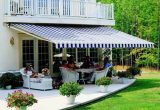
Awning definition, What is an awning? An awning is a cover made from canvas to sanctuary individuals or things from rain or sunlight, usually one will certainly use words awning about a roof-l...


Frontgate outdoor rugs. These days embellishing does not have to be regarding custom-made, it could be regarding where to discover it currently and also exactly how to make it function for you. T...

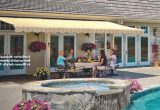
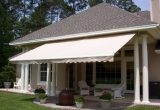


Retractable awning prices is influenced in various other means, too. On-line assemblers bill delivery costs, however this is more than balanced out by the reality they don't charge sales tax (bes...

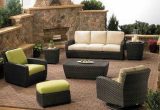

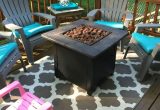
bed bath and beyond outdoor rugs (additionally called location rugs) not just include to the appearance of a space, yet likewise develop a setting including form, shade, and structure. Residence ...