Nuloom Outdoor Rugs
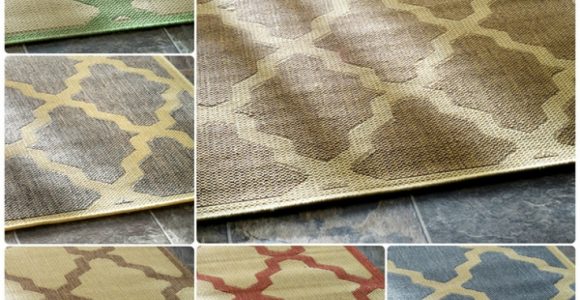


Nuloom Outdoor Rugs with pictures released for to offer the concepts to influence enhancing your home. This post of Nuloom Outdoor Rugs have of our collection pictures as well as gallery for embe...
Nuloom Outdoor Rugs with pictures released for to offer the concepts to influence enhancing your home. This post of Nuloom Outdoor Rugs have of our collection pictures as well as gallery for embe...
French doors and sliding glass doors create a strong connection between indoor and outdoor living areas, but large glazed openings can also bring excessive sunlight, heat, glare, and rain into the home. A well-chosen awning makes the threshold more comfortable while adding an attractive architectural detail to the façade.
The best solution depends on the door’s width, the direction it faces, the amount of shade required, and how often the outdoor area is used. A compact retractable canopy may suit a narrow set of French doors, while a wide motorised awning can provide better coverage for a full-height sliding door leading to a patio or terrace.
Awnings also influence the character of a property. Clean-lined fabric shades complement contemporary homes, while striped or scalloped designs can give traditional façades a softer appearance. The right combination of projection, fabric, frame, and control system should balance practical protection with the existing style of the house.
Glazed doors often face south, west, or southwest, where direct sunlight can make adjoining rooms uncomfortably warm. An awning positioned above the opening blocks a significant amount of high summer sun before it reaches the glass. This can reduce glare on screens and help furnishings, flooring, and curtains resist sun fading.
A canopy also creates a sheltered transition between the house and garden. It can keep the threshold drier during light rain, protect people standing near the doorway, and make a patio more useful during changeable weather. For homes with French doors opening onto paving, shade above the doors can help the entire seating area feel more intentional and comfortable.
The projection should extend far enough to shade the glass and the immediate area beyond it. However, an excessively deep awning may look heavy on a small elevation or become vulnerable to strong wind. Measuring the opening, observing the sun at different times, and checking nearby windows, gutters, and exterior lights will produce a more balanced result.
Retractable awnings are among the most versatile options for French doors and sliding glass doors. Their arms fold away when shade is unnecessary, leaving the façade relatively clear and allowing more winter sunlight into the room. They are particularly useful where the outdoor space needs to serve several purposes throughout the year.
Manual crank-operated models can be reliable and economical, especially for smaller widths. Motorised versions are easier to use across broad doors, and some can be paired with wind, sun, or rain sensors. A full cassette protects the rolled fabric and folding arms when the awning is closed, while a semi-cassette provides a compromise between protection and cost.
Fixed canopies have a more permanent appearance and may be preferable where consistent shelter is required. A shallow metal or glass canopy can protect the doorway without extending deeply into the garden. A fixed fabric hood or traditional door canopy can suit a period property, although it usually offers less flexible shade than a retractable model.
For wide sliding doors, a folding-arm retractable awning normally provides more useful coverage than a small entrance canopy. French doors may work well with a compact projection, particularly where the opening leads onto a narrow path or balcony. The awning should be selected for the whole opening rather than simply the central door leaf.
Acrylic solution-dyed fabrics are a popular choice because colour is integrated through the fibres, helping the material retain its appearance under regular sunlight. High-quality outdoor fabrics are generally resistant to mould and moisture, but they should still be allowed to dry before being retracted for extended periods.
Light colours reflect more solar energy and can create a bright, airy feel beneath the canopy. Darker shades offer stronger visual contrast and may disguise marks more effectively, though they can absorb more heat. Neutral tones such as stone, grey, sand, and muted green tend to work across many exterior schemes, while stripes can introduce a more decorative garden character.
The frame is commonly made from powder-coated aluminium, which combines relatively low weight with good resistance to corrosion. Stainless-steel fixings are valuable in exposed or coastal locations. Check that brackets can be attached to suitable masonry or structural material rather than relying on weak render, cladding, or unsupported finishes.
Drainage and pitch are equally important. A slight angle helps rainwater run away from the wall, while an appropriate front-bar height prevents the awning from obstructing the doors. Always follow the manufacturer’s guidance for operating the canopy in strong winds. A retractable model is a shade system, not a substitute for a permanent weatherproof roof.
The best awning for a set of French doors should respect their proportions. A narrow opening can look overwhelmed by a large box cassette, so a compact unit with slim arms may be more visually appropriate. If the doors open outward, leave sufficient clearance for the leaves, handles, and people moving through the entrance.
Sliding glass doors usually benefit from wider coverage because they often span a substantial section of wall. A broad awning can shade the entire glazed area and create a comfortable sitting or dining zone outside. If the doors open onto a finished patio, align the awning with the paving layout so the covered area feels connected to the rest of the garden. Good material choices for the surrounding surface can be explored through this driveway paving guidance, particularly when coordinating colour and durability across exterior areas.
Side screens can improve privacy and reduce low-angle evening sun, which a standard overhead canopy cannot always block. They are useful beside west-facing sliding doors or properties overlooked by neighbouring gardens. A drop valance can provide similar protection at the front edge, although it may create a more enclosed appearance.
| Awning Type | Best For | Main Strength | Key Consideration |
|---|---|---|---|
| Compact retractable | Narrow French doors | Flexible shade with a small footprint | Limited projection |
| Wide folding-arm model | Large sliding doors | Covers broad glazing and patio seating | Needs strong wall fixing |
| Full-cassette retractable | Exposed elevations | Protects fabric and mechanisms when closed | Higher purchase cost |
| Fixed glass or metal canopy | Permanent doorway shelter | Neat, consistent protection | Less adaptable to seasonal sun |
| Awning with side screen | Low evening sun and privacy | Blocks glare from the side | Can feel more enclosed |
Awnings should relate to the house façade, window frames, doors, paving, and garden furniture. A charcoal cassette can echo dark aluminium door frames, while an off-white or sand-coloured fabric may blend into painted brickwork. Repeating one accent colour in cushions, planters, or outdoor rugs can make the arrangement feel coordinated without becoming overly matched.
Traditional homes often suit restrained stripes, warm neutrals, or a gently shaped valance. Contemporary properties generally look best with a simple straight edge, plain fabric, and minimal visible hardware. For a cottage or country-style setting, soft green, taupe, or muted blue can connect the awning to planting and natural materials.
Consider the view from inside as well as the appearance from the garden. A very bold pattern may dominate the room when the doors are closed, while a pale fabric can soften harsh light. Samples should be viewed outdoors because colours change considerably under direct sun, shade, and evening light.
Motorised control is especially convenient for wide awnings, where manually winding the fabric may be slow or awkward. Wall switches, remote controls, and compatible smart-home systems can make it simple to adjust the shade while sitting indoors or outside. A wind sensor can retract the awning automatically when conditions become unsafe, although sensors should supplement sensible use rather than replace it.
Before choosing automation, confirm that the electrical supply, control position, and installation route are practical. A concealed motor can preserve the clean appearance of the façade, while a visible cable or poorly placed switch may undermine an otherwise carefully designed exterior.
Maintenance is generally straightforward. Brush away loose debris, clean the fabric according to the manufacturer’s instructions, inspect brackets and joints, and keep the cassette or roller area clear. Do not force the awning if it sticks, and retract it during severe weather unless the product is specifically engineered for those conditions.
The most successful installation is planned around the door, wall construction, sun path, and intended use of the outdoor space. Before ordering, take measurements at several points because walls and openings are not always perfectly level. Confirm the maximum width, projection, pitch, cassette size, and fixing requirements with the supplier or installer.
Awnings should also be considered alongside drainage, lighting, planting, and furniture placement. A canopy that shades the doors but clashes with a nearby gazebo or blocks an exterior light may need a small design adjustment. Planning the entire threshold as one outdoor room usually produces a more polished result than treating the awning as an isolated purchase.
An appropriately sized awning can transform French doors or sliding glass doors into a more comfortable, usable part of the home. It can control heat and glare, provide light rain protection, frame the garden, and give an outdoor seating area a stronger sense of purpose.
Begin with accurate measurements and a clear view of how sunlight moves across the façade. Compare retractable and fixed designs, request fabric samples, and choose hardware suited to the wall and local weather. With careful planning, the finished awning will provide dependable shade while enhancing the character of the property for years to come.
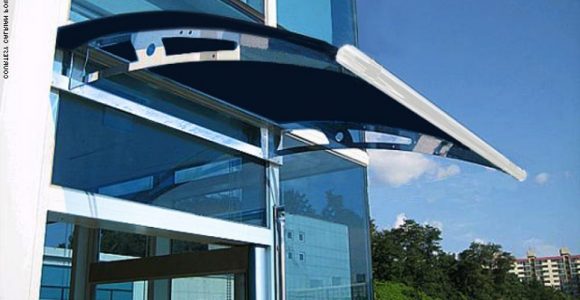
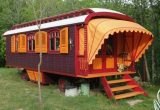
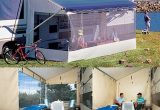
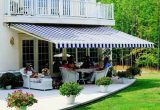
Awning definition, What is an awning? An awning is a cover made from canvas to sanctuary individuals or things from rain or sunlight, usually one will certainly use words awning about a roof-l...
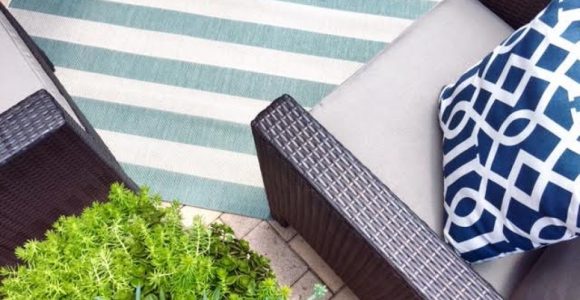


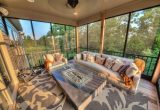
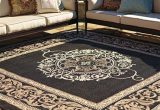
Frontgate outdoor rugs. These days embellishing does not have to be regarding custom-made, it could be regarding where to discover it currently and also exactly how to make it function for you. T...

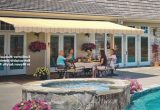
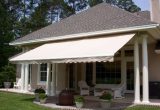


Retractable awning prices is influenced in various other means, too. On-line assemblers bill delivery costs, however this is more than balanced out by the reality they don't charge sales tax (bes...

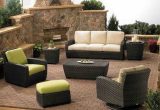
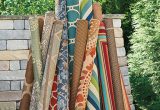
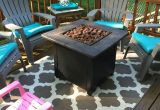
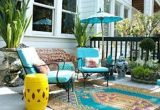
bed bath and beyond outdoor rugs (additionally called location rugs) not just include to the appearance of a space, yet likewise develop a setting including form, shade, and structure. Residence ...