Nuloom Outdoor Rugs
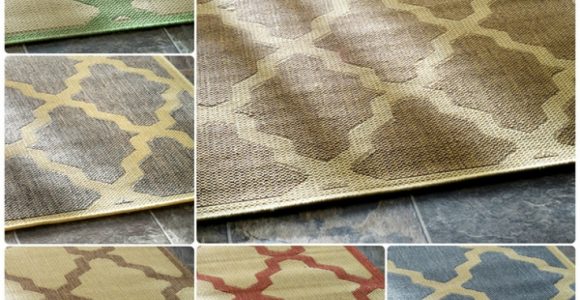


Nuloom Outdoor Rugs with pictures released for to offer the concepts to influence enhancing your home. This post of Nuloom Outdoor Rugs have of our collection pictures as well as gallery for embe...
Nuloom Outdoor Rugs with pictures released for to offer the concepts to influence enhancing your home. This post of Nuloom Outdoor Rugs have of our collection pictures as well as gallery for embe...
A well-chosen awning can make a patio, balcony, or terrace more comfortable throughout the year. It reduces glare, softens indoor temperatures, and creates a defined outdoor room without requiring a permanent roof. The material covering the awning has a major influence on all of these benefits, from shade performance and rain resistance to color retention and visual character.
The best option depends on the position of the awning, local weather, maintenance expectations, and the style of the home. A fabric canopy may provide a soft, tailored appearance, while a solid aluminum roof can offer stronger protection from rain and wind. Acrylic, polyester, vinyl, and coated metal each bring different strengths to a residential setting.
Good planning also considers the surrounding garden, furniture, paving, and exterior finishes. A shade structure should feel connected to the property rather than added as an afterthought. Inspiration from outdoor living ideas can help homeowners coordinate an awning with the wider character of their patio or garden.
Awnings generally use either flexible fabric or rigid panels. Fabric is common on retractable awnings because it can roll away when sunlight is wanted and extend when shade is needed. Solid materials are more suitable for fixed structures, doors, windows, and areas where stronger weather protection matters.
The best awning material must balance ultraviolet resistance, water management, strength, and appearance. A fabric that looks attractive at installation may fade quickly if it has weak UV protection. Similarly, a waterproof covering can become uncomfortable beneath it if the material traps heat and lacks ventilation.
The location makes a difference as well. A south-facing terrace receives intense sunlight for much of the day, so fade resistance should be a priority. An exposed coastal property may need corrosion-resistant frames and hardware. In a sheltered courtyard, appearance and ease of operation may matter more than extreme wind performance.
Solution-dyed acrylic is one of the most reliable choices for retractable awnings and outdoor canopies. During production, the color is added throughout the fibers rather than applied only to the surface. This helps the fabric resist fading when exposed to strong sunlight over many seasons.
Acrylic awning fabric is breathable, which allows some heat and moisture to escape beneath the canopy. This can make a covered seating area feel more comfortable than one enclosed by an impermeable sheet. Quality acrylic textiles are also treated to resist mildew, stains, and water penetration, although they still need to dry properly after rain.
The material has a refined textile appearance that works well with traditional and contemporary architecture. Stripes, neutral tones, and muted greens can complement brick, rendered walls, timber, and garden planting. Acrylic is usually more expensive than basic polyester, but its color stability and long service life can justify the initial cost.
Polyester is a budget-friendly awning fabric that offers good flexibility and a wide range of colors. It is often used for smaller retractable shades, temporary structures, and projects where affordability is important. A high-quality polyester fabric with a protective coating can perform well, especially in a moderately sheltered position.
Its main limitation is long-term exposure to intense sunlight. Polyester fibers can fade or weaken sooner than solution-dyed acrylic, particularly when the awning is extended every day. Homeowners choosing polyester should check the fabric weight, UV rating, stitching quality, and warranty rather than judging the material by appearance alone.
Vinyl-coated fabrics provide a different set of advantages. They are highly water-resistant, easy to wipe clean, and useful where rain protection is a priority. The surface can feel heavier and less breathable than acrylic, so ventilation and drainage need careful consideration. Vinyl is a practical choice for fixed patio covers, commercial-style awnings, or homes in wetter climates.
| Awning material | Main strengths | Key limitations | Suitable applications |
|---|---|---|---|
| Solution-dyed acrylic | Fade resistance, breathability, attractive texture | Higher purchase price | Retractable patio awnings and premium outdoor rooms |
| Coated polyester | Affordable, lightweight, broad color selection | Shorter lifespan in intense sun | Smaller shades and sheltered terraces |
| Vinyl-coated fabric | Water resistance, easy cleaning, durable surface | Less breathable and heavier | Rain-prone locations and fixed canopies |
| Aluminum | Strong, low maintenance, weather resistant | More permanent appearance | Fixed patio roofs and window awnings |
| Polycarbonate | Daylight transmission, impact resistance, modern look | Can heat up without ventilation | Contemporary pergolas and covered walkways |
Aluminum is a dependable material for permanent awnings and patio roof systems. It does not rot, absorb water, or attract insects, and powder-coated finishes can provide long-lasting color. The clean lines of aluminum suit modern homes, while textured or wood-effect finishes can create a softer appearance.
A solid aluminum awning offers excellent protection from rain and can be designed with integrated gutters. It also provides a stable base for lighting, ceiling fans, or privacy screens. Since the structure is fixed, however, it should be planned carefully around windows, doors, views, and the amount of sunlight desired in winter.
Polycarbonate panels are another useful option, particularly where homeowners want shade without making a terrace feel dark. Clear, tinted, or opal panels allow varying degrees of natural light through while reducing direct solar heat. Multiwall versions improve insulation and diffuse sunlight more effectively than basic clear sheets.
Polycarbonate can produce a contemporary conservatory-like appearance, but it may become warm beneath the cover if air cannot circulate. A suitable pitch, open sides, and light-colored panels help manage heat. The frame should also be designed to accommodate thermal expansion, which allows the panels to move slightly as temperatures change.
The canopy material receives most of the attention, but the supporting frame determines how reliably the awning performs. Aluminum is generally preferred for retractable systems because it is lightweight and resistant to corrosion. Steel can provide greater strength, although it needs a durable protective finish and regular inspection for rust.
Powder coating creates a hard, colored surface that is more durable than ordinary paint. Popular frame colors include white, charcoal, bronze, and natural aluminum, but the best choice depends on window frames, doors, fencing, and other exterior details. Matching every element exactly is unnecessary; repeating a related tone can create a more intentional design.
Hinges, brackets, arms, bolts, and fixing points also need weather-resistant construction. Stainless steel hardware is particularly useful in damp or coastal environments. Motorized retractable awnings should include reliable sensors or manual override controls, allowing the canopy to retract during strong winds.
Installation is just as important as material selection. A high-quality fabric can sag, collect water, or strain its seams if the pitch is incorrect or the brackets are poorly fixed. Professional fitting is often worthwhile for large awnings, masonry installations, and systems exposed to frequent wind.
Regular care helps preserve both the appearance and performance of an awning. Fabric coverings should be brushed gently to remove leaves, dust, and loose dirt before stains become embedded. Mild soap and water are generally safer than strong detergents, bleach, or abrasive tools that may damage protective finishes.
Never roll a fabric awning away while it is wet unless the manufacturer specifically allows it. Trapped moisture can encourage mildew and create unpleasant odors. If rain catches the canopy, extend it fully in a dry, ventilated area before storing it. Solid roofs should be cleared of leaves and checked for blocked gutters.
Use these maintenance and design recommendations when comparing products:
A retractable awning should be operated according to the manufacturer’s guidance, especially in windy weather. Automated wind sensors can add convenience, but they do not replace sensible judgment during storms. Fixed structures should also be inspected after severe weather for loose fasteners, damaged panels, or movement around wall connections.
An awning should support the character of the property. A pale canvas-style fabric can suit a cottage garden with timber furniture and planted borders, while a dark gray acrylic canopy may look sharper against rendered walls and contemporary paving. Color affects perceived temperature too: lighter shades reflect more sunlight, while darker fabrics often create a richer, more enclosed atmosphere.
Pattern can add personality, but it should relate to other exterior details. Narrow stripes may echo traditional window awnings, whereas a plain fabric allows planting, furniture, or decorative tiles to become the focus. For a small balcony, a simple neutral canopy can make the area feel larger and less visually crowded.
Consider the view from inside the house as well as the appearance from the garden. An awning positioned above a glazed door or dining area can improve comfort indoors by reducing solar gain. The ideal projection will shade the space during the hottest part of the day without blocking useful winter sunlight.
With the right material, frame, and maintenance routine, an awning becomes a durable extension of the home rather than a seasonal accessory. Compare samples outdoors, examine how colors change in direct sunlight, and confirm the structure is suitable for local weather before ordering.
Bring greater comfort and character to your patio by selecting an awning designed for the way your household uses the space. A carefully chosen canopy can provide dependable shade, protect outdoor furnishings, and give the garden a polished architectural finish for many years.
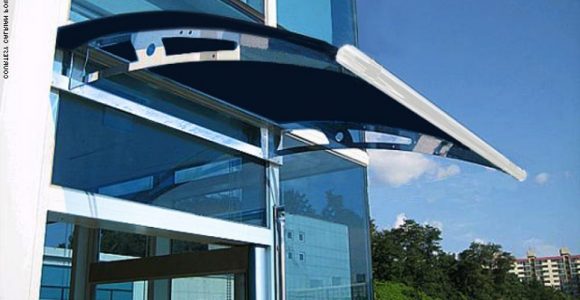
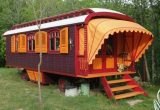
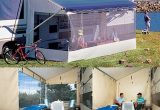
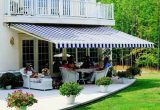
Awning definition, What is an awning? An awning is a cover made from canvas to sanctuary individuals or things from rain or sunlight, usually one will certainly use words awning about a roof-l...
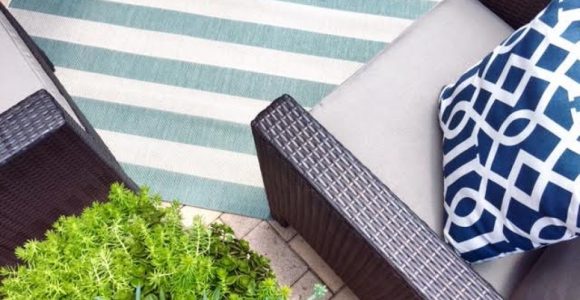


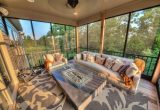
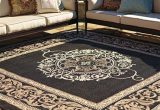
Frontgate outdoor rugs. These days embellishing does not have to be regarding custom-made, it could be regarding where to discover it currently and also exactly how to make it function for you. T...

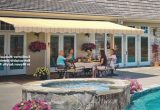
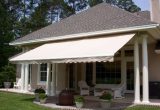


Retractable awning prices is influenced in various other means, too. On-line assemblers bill delivery costs, however this is more than balanced out by the reality they don't charge sales tax (bes...

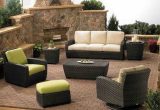
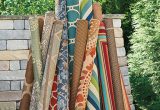
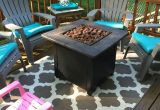
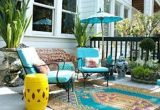
bed bath and beyond outdoor rugs (additionally called location rugs) not just include to the appearance of a space, yet likewise develop a setting including form, shade, and structure. Residence ...