Nuloom Outdoor Rugs
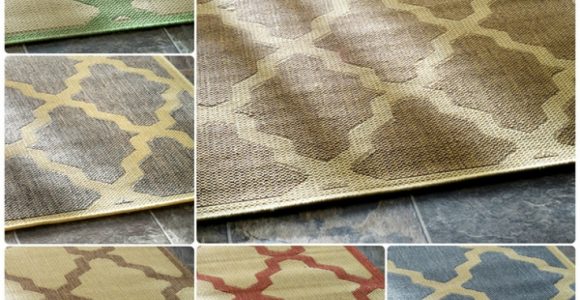


Nuloom Outdoor Rugs with pictures released for to offer the concepts to influence enhancing your home. This post of Nuloom Outdoor Rugs have of our collection pictures as well as gallery for embe...
Nuloom Outdoor Rugs with pictures released for to offer the concepts to influence enhancing your home. This post of Nuloom Outdoor Rugs have of our collection pictures as well as gallery for embe...
Trex and traditional wood decking each suit different Australian homes. Local timber choices include spotted gum, meranti, jarrah and treated pine, with different prices, colours and maintenance needs. Decking, pergolas and a shaded patio are familiar parts of the Aussie backyard, so the material should look good while handling daily use.
Trex is a leading composite brand, combining recycled plastic content with wood fibre in products such as Enhance and Select. Compared with timber, it generally resists damp, mould, decay and insects more strongly while offering consistent colour and simpler care. These advantages still depend on sound design, correct installation and the conditions around the deck.
Conditions change quickly around the country. Melbourne homes experience cool, damp winters and hot, dry summers; Brisbane brings humidity and heavy rain; Perth has intense sun; and Sydney, Adelaide and the coast generally face persistent moisture and salt-laden air. A board that performs well beneath one pergola may colour unevenly or wear faster in another. Local exposure should influence the specification, not just the sample at a showroom.
The Australian market also rewards careful comparison rather than a simple hardwood-versus-composite verdict. Timber buyers inspect species, grain, thickness, treatment and board length, while composite buyers check profile, colour, span rating, fixing system and warranty. Building codes, ventilation and drainage remain essential. For inspiration on fitting decking into a broader renovation, outdoor living ideas can help owners consider the deck as part of the whole home.
Traditional timber can last for decades when it is a suitable species, correctly installed and maintained. It can also check, swell, warp, grey or develop rot if water sits on the surface or end grain is exposed. Treated pine is economical and widely available, while hardwood such as spotted gum or jarrah may cost more and require attentive finishing. Quality and the installer’s detailing matter as much as the species label.
Composite boards are less vulnerable to moisture-related rot and termite damage, making them useful around busy family homes, pools and landscaped gardens. They remain vulnerable to scratching, staining and heat, however, and a hot pan or sharp tool can mark the surface. Australian termites and wood borers can still affect nearby structures, so the frame, fascia and concealed timber components still need appropriate protection.
Bushfire-prone areas add another consideration. The required Bushfire Attack Level, or BAL, applies to the deck and surrounding building elements as a system, so compliance cannot be judged from the board colour alone. Ask for current test documentation and confirm the installation with a qualified local builder. Neither composite nor timber should be described as fireproof without supporting evidence.
Timber decking usually needs cleaning, sanding and refinishing or oiling on a schedule determined by sun, rain and the chosen finish. In a sunbelt city such as Brisbane or Perth, that cycle can be shorter than in a cooler climate. Uneven drying may produce splintering or raised grain around doorways. Owners who dislike this routine often favour composite, which needs regular sweeping and washing without repeated sanding or sealing.
Trex still requires care, just a different kind. Debris should be removed, surfaces washed as needed and the manufacturer’s cleaning guidance followed; harsh solvents and abrasive blasting can damage the finish. Coastal properties benefit from prompt rinsing of salt and mud, while shaded decks need attention to algae and damp leaves. Textured or grooved composite boards may provide useful traction when wet, but slip performance varies by product and should be checked rather than assumed.
Timber brings natural grain, warmth and the ability to sand or refinish small areas. Its colours vary between boards and can be adjusted with stains or oils, although the result changes with weathering. Composite offers a steadier factory finish, a predictable profile and colours that coordinate easily with aluminium, glass and modern landscaping. Neither material automatically feels more luxurious; the strongest result comes from choosing texture and tone that suit the architecture and intended use.
A deck often becomes the base for a barbecue, outdoor dining and a connection to the garden. Planting can soften hard edges and provide privacy, but species selection should suit the local climate and soil. This drought-tolerant planting guide offers useful principles, while Australian gardeners should adapt plant choices to regional rainfall, heat and fire risk. Leave room around the perimeter for ventilation and access without crowding the planted bed.
Composite usually carries a higher upfront price than basic treated pine, though it can be less expensive than premium imported hardwood depending on the selected range. Quotes should compare the same scope: boards, framing, clips or screws, flashings, stairs, labour, removal of the old deck and disposal. This matters in Australia, where hardwood availability and freight costs vary, and a low material price can be offset by access, fixing and finishing work.
Trex boards commonly use concealed clips and specialist fixings, creating a clean surface with fewer exposed fasteners. Installers must still follow the product’s span, spacing and expansion guidance, provide drainage below the deck and maintain airflow around the perimeter. Using a fixing system intended for another board profile can cause movement, noise or damaged edges, so compatibility should be confirmed before ordering.
Over its service life, composite may avoid repeated oiling, sanding and board replacement, making costs easier to control. Timber can also be economical, particularly where it suits the application and receives regular maintenance. Environmental claims require nuance: some composite lines use recycled materials and long service life can reduce replacement demand, while responsibly sourced timber can be renewable. Neither option is automatically waste-free, so provenance, durability and end-of-life options should all be considered.
The practical comparison depends on the priorities of the household. These are the differences most Australian buyers encounter.
| Consideration | Trex composite decking | Traditional timber decking |
|---|---|---|
| Upfront cost | Usually higher than treated pine; varies by collection | Broad range from economical pine to premium hardwood |
| Moisture and pests | Highly resistant to rot, mould and termites | Vulnerable to moisture unless the species and treatment suit |
| Surface damage | Scratches and heat marks can remain visible | Boards can be sanded, repaired and refinished |
| Maintenance | Routine cleaning; no routine sanding or sealing | Cleaning plus scheduled oiling, staining or refinishing |
| Appearance | Consistent colour and predictable profile | Unique grain, but colour varies and weathering occurs |
| Installation | Clips and exact spacing; compatible fixings are essential | Screws or concealed fixings; movement needs careful detailing |
| Environmental profile | Some lines use recycled content and offer long service life | Responsibly sourced timber can be renewable |
| Best suited to | Low-maintenance decks in exposed conditions | Natural finishes, flexible repairs and lower initial budgets |
Trex is usually the better fit where predictable appearance and minimal upkeep are priorities. Timber can be the more economical and visually natural choice when the budget is modest, the owner accepts maintenance and the application suits the species. Ask for sample boards, references and a written scope, then compare expected service rather than relying on the cheapest square-metre price.
A sound decision begins with the site rather than the brand. Note sun angles, prevailing rain, salt exposure, vegetation, foot traffic and whether the deck surrounds a pool. Confirm approval requirements, drainage and fire documentation before selecting a colour or profile.
Start by measuring the area and taking colour photographs at different times of day, then shortlist two composite profiles and two suitable timber options. Request written quotes and current technical data from an established Australian supplier, and read the care requirements before ordering. A deck suited to the property, local weather and household habits is more likely to remain a comfortable and attractive part of daily life for years.
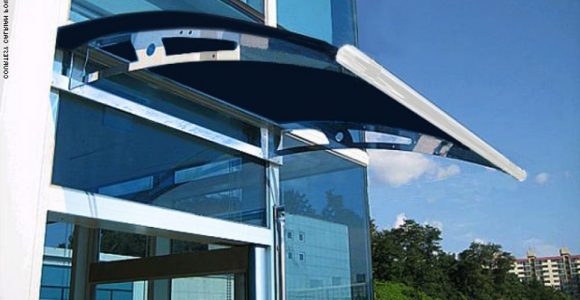
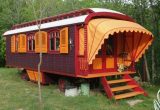
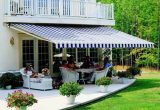
Awning definition, What is an awning? An awning is a cover made from canvas to sanctuary individuals or things from rain or sunlight, usually one will certainly use words awning about a roof-l...
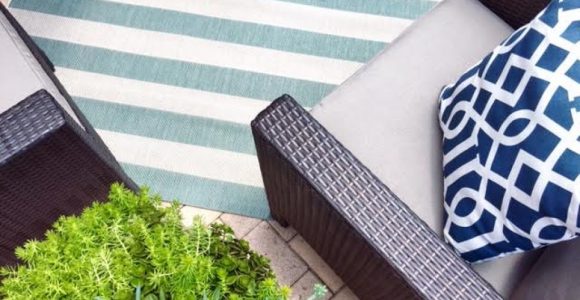


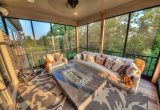
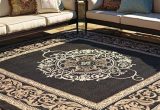
Frontgate outdoor rugs. These days embellishing does not have to be regarding custom-made, it could be regarding where to discover it currently and also exactly how to make it function for you. T...

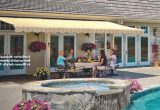
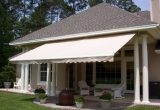


Retractable awning prices is influenced in various other means, too. On-line assemblers bill delivery costs, however this is more than balanced out by the reality they don't charge sales tax (bes...

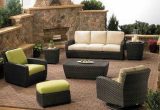
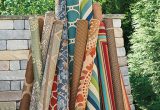
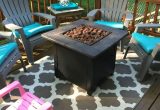
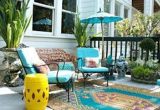
bed bath and beyond outdoor rugs (additionally called location rugs) not just include to the appearance of a space, yet likewise develop a setting including form, shade, and structure. Residence ...