Choosing an Outdoor Rug for a Beautiful Dining Setup
An outdoor rug can make a dining table feel like the centre of a genuine living area rather than a collection of chairs placed on paving. It defines the space, softens hard surfaces and adds colour beneath the table, while also helping guests feel comfortable when they move between the kitchen and patio.
The right choice needs to balance appearance with Australian conditions. Strong sunlight, sudden rain, coastal air, barbecue spills and everyday foot traffic can quickly expose a poor-quality rug. By considering the dining area, furniture dimensions, fibre construction and maintenance routine together, you can create an alfresco setting that looks inviting and remains practical.
Start With The Outdoor Dining Space
Begin by examining the surface beneath the table. Concrete, porcelain tiles, timber decking, compacted gravel and pavers each affect how the rug sits and how easily it can dry. A flat, stable surface is ideal, while uneven stone may cause corners to lift or create uncomfortable ridges beneath dining chairs.
Think about how the area is used throughout the week. A covered patio may need a rug that handles food crumbs and chair movement, whereas an exposed terrace needs excellent water drainage and resistance to fading. In Brisbane and Perth, intense summer sun can bleach darker colours surprisingly quickly, so shade and UV stability deserve as much attention as pattern.
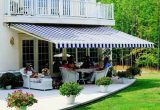
The rug should also relate to the wider design. If the table is close to a gazebo, awning or planted border, repeat one or two tones from those features rather than adding a completely unrelated colour. For broader guidance on creating a cohesive residential setting, explore these creative outdoor ideas alongside your rug selection.
Choose Materials For Australian Conditions
Polypropylene is a popular choice for an outdoor dining rug because it is lightweight, colourfast and relatively resistant to moisture. It can often be hosed clean, making it useful beneath a table where sauces, wine and barbecue grease are likely to land. Recycled plastic constructions offer similar practical benefits and are widely available through Australian homeware retailers.
Polyester can provide vivid colour and a softer feel, although quality varies considerably. Look for a dense, weather-suitable weave and clear care instructions rather than choosing by appearance alone. Natural fibres such as jute, sisal and untreated wool bring warmth indoors, but they are generally less forgiving when left in persistent dampness or direct weather.
A rug labelled “water resistant” is not necessarily mould-proof or suitable for permanent outdoor exposure. Moisture trapped between the rug and a concrete slab can produce odours and mildew, particularly in humid coastal areas such as Cairns or Sydney. Lift and air the rug regularly, and avoid placing it where downpipes discharge or rainwater pools.
Get The Size And Shape Right
The dining set should sit comfortably within the rug’s boundaries, including the chairs when they are pulled out. As a practical guide, allow around 60 centimetres of extra rug beyond each edge of the tabletop. This gives chair legs room to remain on the rug during meals instead of catching on the border every time somebody stands up.
For a six-seat rectangular table, a rug around 240 by 330 centimetres may provide a generous fit, although the ideal dimensions depend on chair width and the size of the patio. Measure the table with every chair extended before buying. If the rug only fits beneath the table with the chairs tucked in, it will feel cramped and may develop curled edges from repeated movement.
Round tables usually look balanced on circular rugs, but a square design can create an appealing contrast in a larger courtyard. Rectangular rugs suit long tables and can visually connect the dining area with an outdoor kitchen or lounge. In a narrow balcony, position the long side in the direction of movement so the rug does not make the walkway feel blocked.
Coordinate Colour Texture And Pattern
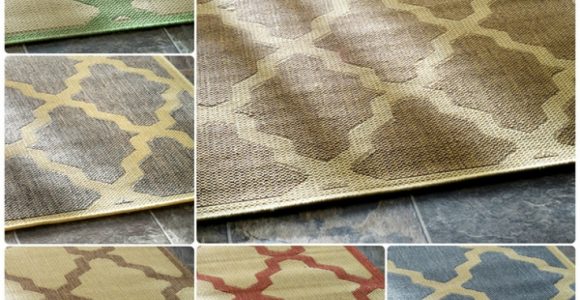
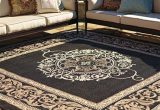
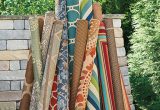
A rug is an effective way to add personality to neutral paving and powder-coated furniture. Sand, stone, terracotta and muted green work naturally with Australian garden planting, while navy or charcoal can define a contemporary entertaining area. Pale shades create an airy effect but show food marks more readily, so a lightly patterned surface may be easier to live with than a solid cream rug.
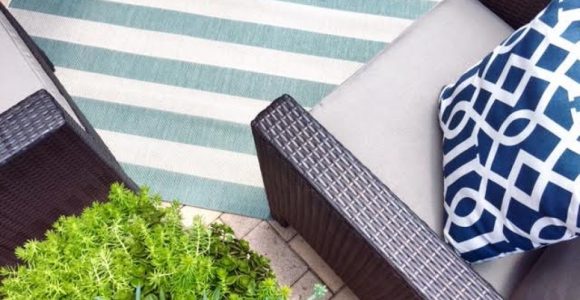
Pattern also influences the apparent scale of the setting. Broad stripes can lengthen a narrow patio, while small geometric motifs create detail without competing with heavily patterned cushions or planting. If the table has a strong timber grain or ornate metalwork, select a simpler rug design that gives the furniture room to stand out.
Texture matters underfoot and visually. A low-pile, flatweave rug allows dining chairs to move more easily than a thick shag style. Raised patterns can collect crumbs and make sweeping difficult, while a tightly woven surface is usually better for households with children, pets or frequent weekend gatherings.
Protect Safety And Simplify Maintenance
Outdoor rugs should lie flat, especially around table legs and frequently used paths. A non-slip underlay can improve grip on smooth tiles, but it must be suitable for wet conditions and compatible with the paving material. Avoid adhesives or rubber products that may stain timber decking, trap moisture or leave marks when exposed to heat.
Slip resistance becomes particularly important near pools, outdoor showers and wet-weather entrances. A rug should never reduce access to a compliant pool barrier or be positioned where children could use it as a climbing aid. Australian pool fencing requirements vary by state and territory, so the rug must remain well clear of gates, barriers and required circulation space.
Routine care is straightforward when built into the household schedule. Shake or vacuum the rug to remove grit, treat spills promptly with mild detergent and allow both sides to dry fully after washing. In Melbourne’s changeable weather, check the forecast before hosing it down; a damp rug left out overnight can take much longer to dry than expected.
Practical Buying Checklist
Before ordering, compare the rug with the actual habits and conditions of your home. A dining area used for occasional summer lunches can accommodate a different finish from a covered alfresco space used for breakfast every morning. Measure the furniture, inspect the floor and decide where the rug will go during periods of heavy rain or winter storage.
Use this checklist when comparing outdoor floor coverings:
- Measure the tabletop and all chairs in their pulled-out position, then add clearance around the entire setting.
- Choose UV-resistant synthetic fibres for exposed patios, particularly in sunny regions such as Adelaide, Perth and Brisbane.
- Check that the weave is flat enough for easy chair movement and dense enough to resist everyday wear.
- Confirm how the rug should be cleaned, dried and stored before placing an order.
- Select a non-slip solution that suits the flooring and does not trap water beneath the rug.
- Review strata or body corporate rules if the dining setting is on an apartment balcony or shared terrace.
Storage is worth planning before purchase. A breathable storage bag, covered deck box or dry utility area can protect the rug during storms and cooler months. Rolling it rather than folding it helps prevent permanent creases, while keeping it off the ground reduces the chance of pests or dampness affecting the fibres.
Create A Comfortable Alfresco Arrangement
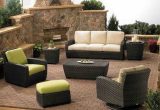
The rug should support the dining experience rather than operate as an isolated decoration. Pair it with outdoor cushions in washable fabric, warm lighting and a centrepiece that can withstand wind. A low planter, lantern or bowl of seasonal greenery can frame the table without taking up valuable elbow space.
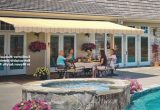
Consider the direction of sun and prevailing wind when positioning the furniture. In western-facing gardens, a shade sail or retractable awning can protect diners and slow colour fading. Permanent structures may require council approval or need to meet local planning rules, especially on boundaries or in heritage areas, so check requirements before making structural changes.
Leave enough room around the rug for serving dishes, guests and regular cleaning. Dining chairs should not collide with walls or garden edges when pulled back, and the layout should preserve clear access to doors and stairs. In Australian homes where alfresco areas often connect directly to the kitchen, a simple route for carrying food can make the setting much more enjoyable.
Measure the full dining arrangement, compare weather-resistant materials and choose a pattern that complements the architecture and garden. Once the rug is installed, secure loose edges, establish a cleaning routine and give the fibres time to dry after wet weather. A considered choice will turn a plain patio or deck into a comfortable extension of the home, ready for relaxed meals across the seasons.