Nuloom Outdoor Rugs
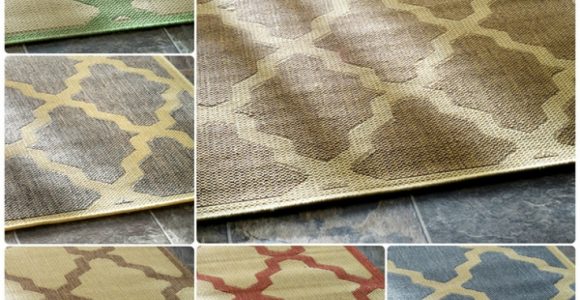


Nuloom Outdoor Rugs with pictures released for to offer the concepts to influence enhancing your home. This post of Nuloom Outdoor Rugs have of our collection pictures as well as gallery for embe...
Nuloom Outdoor Rugs with pictures released for to offer the concepts to influence enhancing your home. This post of Nuloom Outdoor Rugs have of our collection pictures as well as gallery for embe...
A south-facing window can be a deceptively difficult opening to shade in an Australian home. It may avoid fierce midday sun, yet bright sky can still produce glare, and heat can gather around the frame. A properly chosen awning improves comfort without turning the room into a dim, enclosed space.
The right shade does more than block light. It should complement the proportions of the window, preserve a useful view and fit the way the adjoining patio or courtyard is used. It can also protect furniture from fading, soften a rainy outlook and provide a sheltered edge for everyday outdoor living.
Choosing the best awning for a south-facing window starts with climate, layout and control rather than a particular brand. Retractable, fixed and folding-arm designs offer different balances of convenience, appearance and cost. Comparing them against your actual opening prevents an attractive but ill-fitting installation.
In southern Australia, the sun travels mainly through the northern sky. A south-facing window therefore receives less direct sunlight than a north-facing one, but it remains exposed to diffuse light, ultraviolet radiation and reflected heat from paving, walls and nearby buildings. Sydney homeowners can see why shade matters when a clear sky creates strong brightness around the glass.
An external awning is particularly useful because it intercepts light before it reaches the opening. This can make the area around the sill and adjoining wall more comfortable, reduce reliance on a blind during the day and protect upholstery or timber from prolonged UV exposure. A suitable projection can also keep some wind-driven rain away from the window.
More shade is not automatically better. A fixed covering may darken the room through winter, while an adjustable or retractable design provides useful control. Look for a balance between glare reduction, daylight, ventilation and an unobstructed outlook.
Measure the opening’s width and height, then consider the available projection above it. In a narrow city courtyard, an oversized awning can feel oppressive and block views of the sky or neighbouring roofs. Wider suburban patios may benefit from greater reach, but the frame and supports still need to sit comfortably within the space.
Check how people move beneath the awning. It must clear doors, windows, ventilation paths and head height, while leaving enough room to clean the glass. If the opening leads directly onto a deck, the awning should also coordinate with the paving, fencing and furniture rather than appearing as an isolated addition.
A fabric colour that repeats elsewhere in the garden can make the installation feel deliberate. For coordinated styling ideas, French Creative Connection offers a useful reference when matching an awning to the wider home.
Features worth prioritising include:
A side-by-side comparison makes the practical differences easier to judge. Consider how each format behaves in strong sun, ordinary wind and heavy rain, as well as how much maintenance and adjustment you want.
| Awning format | Best suited to | Main strengths | Main limitations |
|---|---|---|---|
| Fixed aluminium or steel | Year-round shade over a fixed opening | Strong, durable and visually tidy | Always projects shade and may restrict winter light; the canopy can catch wind |
| Manual folding-arm canvas | Straightforward patios needing occasional shade | Economical, simple mechanism and easy fabric access | Requires manual adjustment and periodic re-tensioning |
| Motorised retractable fabric | Frequent use and flexible control | Extends and stows easily; may include wind sensors and lighting | Higher purchase cost, with motor and fabric maintenance to consider |
| Adjustable louvred metal | Precise control of light and airflow | Changes the angle of the slats through the day | More complex and costly; moving parts require servicing |
For many Australian homes, a motorised retractable awning with folding arms offers the most adaptable balance. It can provide shade during bright afternoons and disappear when the view matters. A manual folding-arm model remains a practical choice where the budget is modest and the awning is used seasonally.
Wide sliding doors may suit a broad awning, but dividing the coverage can reduce unsupported span and improve wind performance. The supplier should recommend the arrangement based on measurements and local conditions rather than simply selecting the largest available model.
Fabric deserves close attention because it receives constant sunlight and weather. Solution-dyed acrylic canvas is a durable choice for intense UV exposure, while polyester can offer a lighter feel and lower cost. Check the fabric’s expected life, colourfastness and resistance to mould rather than relying on a vague quality description. Perth’s dry, intense summer sun makes fading and brittleness important concerns.
The frame should handle rain, salt and structural loads. Powder-coated aluminium is widely used, while Colorbond steel is familiar across Australian homes for roofs, fences and sheds. Coastal properties may require a documented coastal-grade finish and stainless fixings. Solid connections into masonry or timber are more important than an attractive frame that flexes in wind.
Water needs a deliberate route. A slight fall toward a front bar, integrated gutter or nearby drain helps prevent pooling, which can stretch fabric and leave dirt marks. Test the proposed drainage before installation, especially where the awning sits over paving or a low indoor-outdoor entertaining area.
Details to confirm with your supplier include:
Australian weather can change quickly, so the awning must be appropriate for the site and have a clearly stated operating wind limit. Melbourne’s changeable, gusty conditions can test a large canopy, while Brisbane’s humid summers and intense downpours demand reliable tension and drainage. Northern Australia also brings cyclone conditions that rule out some wide, permanently extended installations unless they have been specifically engineered.
A wind sensor is a useful safety feature, but it does not replace sound engineering. Wide awnings act like sails, and folding arms do not make weak frames safe. Ask the supplier to confirm the frame size, fixing method, operating limits and behaviour during storms. Retractable models should be able to stow safely, while fixed models need secure connections and a considered projection.
Heavy rain raises separate questions. An extended canopy can catch water and sag if its fall and tension are inadequate, and a closed canopy may collect wind-driven rain while stowed. Find out whether the particular product is intended to remain extended in rain and how quickly it should be retracted.
Bushfire-prone properties require additional care. Metal framing, cappings and attachment points can affect ember entry, and some coverings add combustible material near the roofline. Seek local advice from the relevant council or fire authority, and follow any home-specific bushfire preparation plan. An awning should never be treated as fireproof merely because its frame is metal.
A reputable supplier should measure the site rather than work from a rough sketch. The written quote should identify the awning’s width, projection, fabric, frame, fixings, motor, installation, warranty and GST. It should also state who arranges electrical work and what happens if the site conditions differ from the initial plans.
Ask whether the design accounts for the relevant wind-loading provisions of Australian Standards, particularly AS/NZS 1170, and any local building requirements. Obtain clear details about corrosion protection, drainage, operating limits and replacement parts. This is especially important for coastal homes, where a standard finish may not suit exposure to salt-laden air.
Keep measurements, product samples, installation dates and warranty documents together. Good preparation through planning a home project can make comparisons easier and reduce misunderstandings when the quote arrives. Compare complete specifications rather than choosing on appearance or headline price alone.
Once the shade is chosen, treat the adjoining area as a continuation of the home. Outdoor chairs, a small table, planters and lighting can create a comfortable retreat beneath the awning. For manageable greenery beside the new shade, the guide to potted patio plant ideas is a useful starting point. Leave room for drainage and avoid dense planting that traps moisture against the frame.
Book an on-site measurement and a detailed quote, confirm the operating wind limit in writing, and select the shade you can live with comfortably through every Australian season.
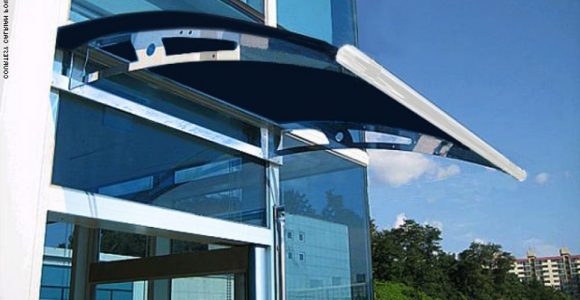
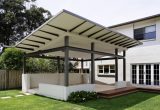
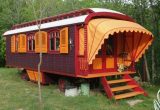
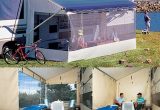
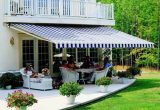
Awning definition, What is an awning? An awning is a cover made from canvas to sanctuary individuals or things from rain or sunlight, usually one will certainly use words awning about a roof-l...
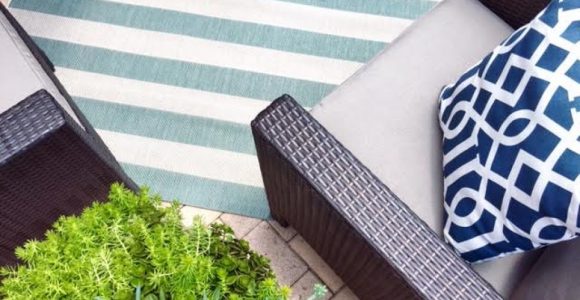


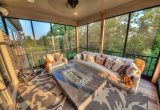
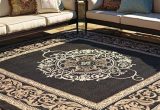
Frontgate outdoor rugs. These days embellishing does not have to be regarding custom-made, it could be regarding where to discover it currently and also exactly how to make it function for you. T...

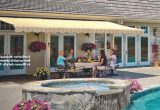
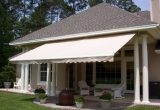


Retractable awning prices is influenced in various other means, too. On-line assemblers bill delivery costs, however this is more than balanced out by the reality they don't charge sales tax (bes...

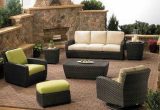
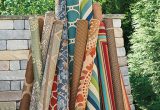
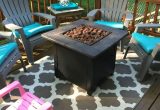
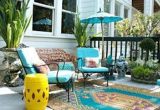
bed bath and beyond outdoor rugs (additionally called location rugs) not just include to the appearance of a space, yet likewise develop a setting including form, shade, and structure. Residence ...