Outdoor cushions that resist mildew and fading
Outdoor cushions must handle sun, rain, splashes and everyday use while still complementing the surrounding space. Selecting outdoor cushions that resist mildew and fading starts with the fibre, but colourfastness, fill, covers and maintenance all affect how they perform. A fabric that feels substantial today may sag, stain or fade after a few demanding Australian summers.
Mildew resistance should not be treated as a permanent property. It depends on how quickly the cushion dries after rain, dew or spills, as well as whether dirt and organic matter are removed regularly. UV exposure is equally important: colour fades through prolonged light exposure even when a cushion is stored under an awning for part of the day.
The best choice balances performance with comfort and appearance. There is little value in a technically resistant cushion that feels rough, holds rainwater or looks out of place. Consider where the seating will live, how much shade it receives and who will clean it before comparing materials.
Why UV and moisture performance matter
Australia’s intense sunlight places a heavy demand on dyed fibres and surface coatings. Ultraviolet radiation can weaken threads, break down pigments and cause uneven fading, particularly on one balcony or west-facing patio. Look for fabrics described as solution-dyed or UV-resistant, and check whether the colourfastness applies to the actual fibre rather than only to a surface finish.
Solution-dyed acrylic and polyolefin fabrics generally perform well outdoors because the colour is incorporated throughout the yarn. Solution-dyed polyester can also provide strong UV resistance when the fabric has been stabilised for outdoor use. Quality varies between products, so a generic “polyester” description does not guarantee colour longevity. For broader project ideas, outdoor design guidance can help with coordinating cushions, shade and furniture.
Moisture creates a different problem. Humid conditions slow evaporation, while a covered cushion can remain damp for hours if its foam is fully enclosed. Air-drying fabrics help, but removable covers and quick-dry fillings give the cushion an escape route when rain moves through. Melbourne’s changeable weather, Sydney’s coastal humidity and Brisbane’s wet season each create different drying patterns to account for.
Fabric, foam and fill choices to compare
Start with the cover fabric, then consider how water enters the cushion. A well-finished cover should have tightly woven seams, resistant thread and a removable or breathable construction where possible. These features influence both mildew prevention and long-term appearance.
- Solution-dyed acrylic is colourfast, UV-resistant and suitable for exposed Australian balconies, patios and verandas.
- Solution-dyed olefin or polypropylene is lightweight and quick-drying, but heat from a hot indoor room can damage some versions.
- UV-stabilised outdoor polyester offers a broad colour range and useful abrasion resistance when the specification confirms proper stabilisation.
- Cotton and linen blends feel comfortable but absorb water and stain readily unless treated for outdoor use.
The filling determines support, airflow and drying speed. High-density foam gives a firmer seat, while softer foam and fibre wrapping create a relaxed look. Full-density waterproof foam can resist rain, yet it may also trap water internally if the outer cover leaks.
- Open-cell foam allows air to pass through more freely and is a practical choice for frequently damp locations.
- Quick-dry foam is designed to release water faster, but its useful performance depends on the quality of the foam and cover.
- Hollow or recycled fibre fills dry quickly and suit loose covers, although they may need occasional reshaping.
- Fibre-wrapped foam combines supportive foam with a softer surface and is easier to replace than a cushion with fixed filling.
Test comfort before focusing solely on technical specifications. Sit in the position you normally use, press the cushions and check whether the seams pull when someone leans back. A resilient filling can feel supportive for years, while an inexpensive alternative may bottom out after one summer of use.
How to inspect claims before buying
Ask the retailer for a specification sheet rather than relying on words such as “mildew resistant” or “sunproof”. Look for the fibre content, UV rating, colourfastness results, seam construction, filling type and expected warranty. A product designed for fully exposed outdoor furniture should document performance under both sunlight and wet conditions.
Colour swatches are useful for coordination but cannot show long-term fading. Some suppliers provide test reports or certified fabric information, while others offer only broad care and warranty statements. For outdoor cushions bought through an Australian retailer, also examine the local warranty terms, replacement policy and availability of matching covers. These services often matter more than a small difference in thread count.
Decorative elements deserve the same scrutiny. If a sheltered courtyard includes artwork, wall panels or other display features, a custom outdoor gallery may establish a backdrop that helps the seating feel like a complete room rather than a collection of isolated pieces. Cushion colours can then be tested against that setting.
Before paying, inspect the zip, stitching and underside where dirt and damp tend to collect. Raised seams and a waterproof zip pull can make regular cleaning easier, but badly finished details can let water reach the filling. Reject cushions with exposed foam, loose threads or covers that cannot be removed unless the design is explicitly intended for fixed installation.
Balance resistance with colour and outdoor style
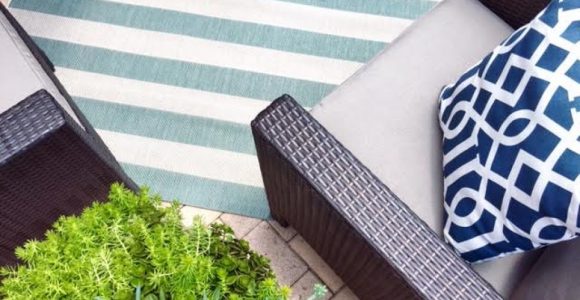
Performance does not require dull outdoor furniture. Advances in outdoor textiles include soft neutrals, coastal blues, botanical patterns and rich earth tones designed to complement timber, masonry and metal. The key is to select a stable, UV-rated colour that will still suit the space after several seasons of strong light.
Pale shades can show dirt and stains readily, while dark shades absorb heat and may become uncomfortable on a hot day. Mid-tone colours often provide a practical compromise. Printed patterns can disguise minor marks, but fading remains visible if the design becomes patchy. Ask to see natural and solution-dyed samples together before making a decision.
Scale matters as much as colour. Seat and back cushions should relate to the furniture’s depth and width, while occasional bolsters or scatter cushions can introduce another colour without overwhelming the setting. Loose covers also allow seasonal changes, making it easier to refresh a patio without buying a complete new seating arrangement.
Think about the local setting as carefully as the measurements. Salt-laden air near the Sydney coast or Perth coast can leave residues on fabrics, so prompt rinsing is valuable. Pollen, eucalyptus leaves and fine dust may settle into seams around Melbourne and Adelaide. Smooth, tightly woven covers are usually easier to maintain than deeply textured fabrics.
Build a care routine that protects the cushions
Vacuum loose dust weekly during warmer months, then rinse or sponge the covers after spills. Use a mild detergent mixed with lukewarm water, test it on a hidden area and avoid chlorine, solvents and abrasive cleaners unless the manufacturer specifically approves them. Excess soap can remain in the fibres and support mildew growth.
Allow cushions to air-dry completely, preferably in moving air and out of direct sun. Standing water beneath the box or a wet patio lid can keep the cushion damp long after the surface feels dry. Rotate loose cushions regularly, inspect seams for splitting and replace damaged covers before moisture reaches the foam.
During prolonged rain or periods away, store cushions in a dry, ventilated place rather than sealing damp fabric inside a plastic bag. In tropical areas such as Cairns or Darwin, ventilation is especially important. An occasional wipe-down and proper storage in humid weather can protect the filling and extend the useful life of the whole set.
Choose a solution-dyed fabric for the most exposed seat, quick-dry filling for damp locations and removable covers for homes with children, pets or regular entertaining. Measure the furniture first, inspect every specification and buy from a supplier that supports the fabric’s Australian warranty. Then enjoy the outdoor room with a cushion set prepared for sun, rain and everyday living.