Choosing Outdoor Curtains for Privacy and Shade
Outdoor curtains can turn a bare patio, balcony or verandah into a more comfortable living area. They soften harsh sunlight, screen neighbouring properties and create a sense of enclosure without the permanence of a wall. With the right fabric and hanging system, an alfresco space can feel as considered as any indoor room.
The best choice depends on how the area is used. Curtains for a north-facing deck may need stronger solar protection than panels on a shaded balcony, while a coastal home requires materials that tolerate salt air and wind. Privacy needs also vary: a suburban courtyard may need a discreet screen, whereas an apartment balcony may benefit from full-height panels that can be drawn across at night.
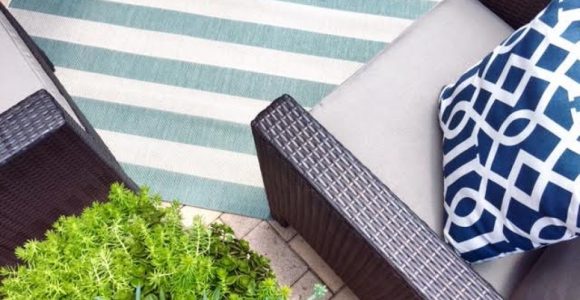
Good outdoor design balances appearance with practical performance. Before selecting a colour or pattern, consider airflow, rainfall, cleaning, fixing points and the direction of the sun. Browsing French Creative ideas can also help you picture how outdoor textiles, paving and furniture work together as one comfortable setting.
Start With Privacy And Sun Direction
Observe the space at different times of day before buying anything. Morning sun may enter from the east, while late afternoon glare can come from the west and make a patio uncomfortable during dinner. A curtain placed along the western edge is often especially useful in Australia, where low evening sun can be intense through summer.
Privacy is equally important. A lightweight sheer can obscure views while preserving daylight, but it will not provide the same seclusion as a dense acrylic or polyester panel. If overlooking is a concern from a neighbouring balcony or upper-storey window, choose a fabric that reaches close to the floor and consider overlapping panels at the joins.
Curtains can be installed on one side of a patio, across the front, or around several edges to create a flexible outdoor room. Full enclosure offers greater shade and privacy, but it may reduce breezes. A practical arrangement often combines fixed screening on the most exposed side with curtains that can be opened when airflow is welcome.
Select Fabrics That Handle Australian Conditions
Outdoor curtain fabric must cope with ultraviolet exposure, moisture, dust and repeated movement. Solution-dyed acrylic is a popular choice because the colour is integrated into the fibres, helping it resist fading. Polyester can offer a more affordable option, particularly when it has a UV-resistant coating, although quality varies between products.
For humid areas such as Cairns, Darwin and parts of coastal Queensland, quick-drying fabric is valuable. Breathable mesh or loosely woven textiles can allow air to pass through and reduce the heavy, damp feeling that comes with fully sealed panels. In dry inland regions, fabrics that shed dust and can be brushed clean may be more useful than thick, absorbent materials.
Water-resistant does not always mean waterproof. Many outdoor curtains are designed to repel light showers rather than withstand driving rain. If the patio has no roof, avoid assuming that curtains will replace proper weather protection. A roof, awning or pergola will extend fabric life and make the area more usable throughout the year.
Measure For A Neat, Functional Fit
Measure the curtain track or rod position rather than guessing from the opening size. Record the total width, the desired drop and the clearance from the floor. Curtains that finish slightly above paving are less likely to collect dirt, while a near-floor drop creates a stronger privacy barrier and a more tailored appearance.
Allow extra width for fullness. A flat panel may cover an opening, but it can look sparse and leave gaps when closed. Depending on the fabric and style, a total curtain width of around one and a half to two times the track width can create comfortable folds. Always follow the manufacturer’s measurement guidance, as eyelet, tab-top and wave-fold curtains require different allowances.
Check where the fixing hardware will be attached. Masonry, timber and metal structures each need suitable screws, brackets and anchors. On a rental property or apartment balcony, drilling may be restricted, and strata rules can apply to visible external fittings. Confirm approval requirements before ordering custom panels or installing a permanent track.
Choose Hardware For Wind And Movement
A reliable hanging system matters as much as the fabric. Stainless steel tracks, powder-coated aluminium rails and corrosion-resistant eyelets are suitable choices for many outdoor settings. Near the coast, salt can quickly affect low-grade metal, so look for marine-friendly finishes and rinse exposed hardware occasionally with fresh water.
Wind is a key consideration across Australia, particularly on elevated balconies, exposed decks and properties near the ocean. Curtains should not be left loose during strong weather. Tiebacks, bottom weights, curtain clips or side channels can keep panels controlled, but these features should not be treated as a substitute for opening or removing the curtains when severe conditions arrive.
A track with smooth rollers makes daily use easier, especially for wide openings. Panels that can be drawn to each side give homeowners control over shade and ventilation. For a compact balcony, a single retractable panel may be more practical than several heavy curtains that occupy valuable space when opened.
Coordinate Colour And Outdoor Furnishings
The curtain colour influences how large and cool the area feels. Pale sand, warm white and soft grey reflect light and suit many Australian patios, while charcoal, olive and muted blue can add depth to a neutral scheme. Very dark fabrics may absorb more heat in full sun, so use them thoughtfully in exposed locations.
Patterns are best selected with the surrounding materials in mind. A subtle stripe can emphasise the length of a narrow verandah, while a plain fabric allows patterned cushions, outdoor rugs or feature tiles to take attention. If the home already has strong brickwork, colourful paving or lush planting, restrained curtains can prevent the space from feeling crowded.
Think about the transition between indoors and out. Matching or complementary tones in the living room and patio make the area feel like an extension of the home. In Melbourne, where an outdoor room may need to shift between bright sun and cooler weather, layered textiles and movable furniture provide flexibility. In Perth, pale, reflective finishes can help temper the intense summer light.
Curtains can also define separate zones. Use a panel to screen an outdoor dining area from a barbecue, or create a quiet corner beside a pool. Keep fabric away from open flames and hot cooking equipment, and allow enough clearance for doors, heaters and ceiling fans to operate safely.
Plan Cleaning, Storage And Long-Term Value
Outdoor curtains need regular care, even when they are marketed as low maintenance. Dust them with a soft brush or vacuum attachment, then check the cleaning label before washing. Mild soapy water and a gentle rinse are often suitable, while harsh bleach and aggressive pressure cleaning may damage coatings or weaken fibres.
Inspect seams, hems, eyelets and tracks at the beginning and end of the warmer season. Look for mould, rust, fading and loose fixings. Curtains in Sydney’s coastal suburbs may need more frequent rinsing because of salt and airborne grime, while panels in dusty regional areas benefit from regular brushing before dirt becomes embedded.
Store removable curtains in a dry, ventilated place when they are not required. Do not pack them away while damp, as trapped moisture can encourage mildew. If the panels are too large for convenient removal, choose a system that lets them be rolled or secured neatly against the wall during storms.
Budget for the complete installation rather than the fabric alone. Tracks, brackets, tiebacks, weights, custom hems and professional fitting can affect the final price. Ready-made curtains from a major Australian home improvement retailer may suit a straightforward opening, while made-to-measure panels are useful for unusual dimensions, sloping roofs or high privacy requirements.
A thoughtful selection will make the patio more pleasant every day, from a shaded morning coffee to an evening meal protected from glare and nearby views. Measure carefully, choose fabric suited to the local climate, and install hardware that can cope with regular outdoor use. Start by assessing the sun and sightlines, then select curtains that bring comfort, privacy and a polished finish to your Australian home.