Nuloom Outdoor Rugs
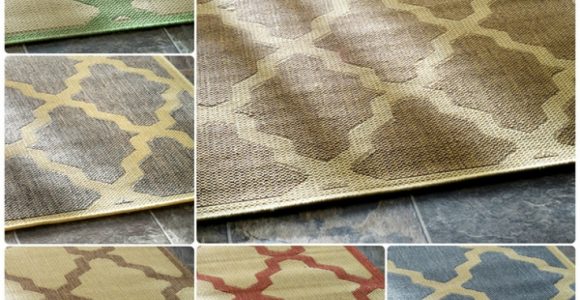


Nuloom Outdoor Rugs with pictures released for to offer the concepts to influence enhancing your home. This post of Nuloom Outdoor Rugs have of our collection pictures as well as gallery for embe...
Nuloom Outdoor Rugs with pictures released for to offer the concepts to influence enhancing your home. This post of Nuloom Outdoor Rugs have of our collection pictures as well as gallery for embe...
Outdoor shade is essential in Australian homes. A well-chosen umbrella can turn a hot deck, paved courtyard or small balcony into a comfortable place for breakfast, afternoon coffee and evening entertaining. The right design also protects outdoor furniture from harsh sunlight and helps define the style of your living area.
The terms patio umbrella and market umbrella are often used interchangeably, although they can describe slightly different designs. Patio umbrellas usually refer to a broad category of residential shade products, while market umbrellas traditionally have a simple central pole, a practical canopy and a clean commercial appearance.
Your choice will depend on available space, wind exposure, furniture arrangement and how often you move the umbrella. A family in Brisbane may prioritise mildew resistance and ventilation, while a Melbourne household could value a sturdy base and a canopy that works through changeable weather.
Good outdoor design connects comfort with practicality. For further inspiration on coordinating furniture, colour and entertaining zones, explore French Creative interiors before selecting a shade solution.
A patio umbrella is generally designed for residential outdoor areas and may include a centre pole, offset frame or cantilever arm. Its canopy can be round, square or rectangular, with options ranging from compact balcony models to large structures covering a dining setting. The term describes function and placement more than one exact shape.
A market umbrella traditionally has a straight, central pole and a symmetrical canopy. It is common outside cafés, restaurants and resort-style homes because it creates an orderly appearance around a table. Many residential versions use aluminium or hardwood poles, reinforced ribs and a pulley, crank or push-up opening system.
The visual distinction is also useful. Market umbrellas tend to look streamlined and architectural, especially when several are placed across a patio. Patio umbrellas offer greater flexibility because the category includes tilting, cantilever and wall-mounted designs. If you need shade that can angle over a lounge without a pole in the middle, a cantilever model may be more suitable.
Neither label guarantees quality. Examine the frame joints, fabric weight, stitching, base compatibility and replacement-part availability. A beautifully shaped canopy will be frustrating if the opening mechanism jams or the stand is too light for local conditions.
Start by measuring the furniture rather than the empty patio. A two-metre round canopy may suit a small café table, while a six-seat dining setting generally needs a canopy around three metres wide or a rectangular equivalent. Allow enough clearance for chairs to slide back without catching the pole or edge of the fabric.
Central-pole umbrellas work well when the table has a built-in opening. They create balanced shade and are usually easier to position. A cross-base with removable weights can be useful on a paved entertaining area, although it needs adequate ballast and should be folded when strong winds arrive.
Cantilever patio umbrellas provide unobstructed space beneath the canopy. They are useful beside modular lounges, pool seating and outdoor kitchens, where a central pole would interfere with movement. Their offset design requires a heavier base and careful positioning because the extended arm creates more leverage in gusty weather.
Balconies and narrow courtyards require extra care. Check the umbrella’s open diameter, rotation range and storage position before buying. In apartment buildings, body corporate rules may restrict attachments, colours or objects that project over common areas. A portable market umbrella is often easier to approve than a fixed awning or permanent shade structure.
Canopy fabric should resist fading, moisture and mildew. Solution-dyed acrylic is a strong choice for exposed patios because the colour is integrated into the fibres rather than applied only to the surface. Polyester is often lighter and less expensive, but quality varies, so look for a reputable outdoor grade with UV resistance and reinforced stress points.
Australian sunlight can be intense in Perth, Darwin and northern Queensland, while coastal salt air affects metal fittings in Sydney, Adelaide and regional seaside towns. Powder-coated aluminium is lightweight and generally easy to maintain. Hardwood offers warmth and a substantial look, but it needs periodic cleaning, oiling or sealing according to the manufacturer’s instructions.
A vented canopy allows hot air to escape and can reduce pressure during moderate breezes. It does not make an umbrella stormproof. Always close and secure the canopy when wind increases, especially near the coast, on exposed rooftops or beside pools. An umbrella is a temporary shade device, not a substitute for an engineered permanent roof.
Colour affects both appearance and performance. Pale fabrics create a relaxed coastal feel and reflect more light, while charcoal, navy and olive tones suit contemporary landscaping. Darker canopies may show dust less readily but can become warmer underneath and may reveal fading sooner if the fabric is poor quality.
Stability is the most important safety feature. Choose a base recommended for the canopy size and frame style, then add compatible weights if required. A small plastic stand filled with water may be adequate for a compact umbrella in a sheltered courtyard, but large cantilever models need purpose-built slabs, plates or weighted modules.
Keep the canopy closed when nobody is using it. Sudden gusts can lift an unsecured umbrella, damage glazing or injure people. Position it away from barbecue flames, heaters and electrical cables, and never leave a wet umbrella tightly folded for extended periods. Allow the fabric to dry fully to reduce mould and odours.
Routine care is straightforward. Brush off leaves, rinse salt and dust with fresh water, and follow the fabric manufacturer’s cleaning instructions. Avoid harsh bleach unless specifically approved. At the end of summer, store the umbrella in a dry, ventilated place using a protective cover that does not trap condensation.
For permanent shade structures, Australian state and local requirements may apply. A movable umbrella usually has fewer approval issues, but strata bylaws, lease conditions, heritage controls and local council rules can still affect balconies, footpaths and front boundaries. In bushfire-prone areas, check local guidance before choosing fabrics, placement or fixed outdoor structures.
Think about your daily routine as well as the appearance of the patio. If you move between a pool, dining table and lounge area, a lighter central-pole model may be convenient. If the umbrella will remain beside one seating zone, invest in a heavier base, stronger frame and high-quality canopy rather than paying for portability you will not use.
Households with young children should avoid unstable stands, exposed sharp fittings and long loose cords. A crank mechanism can be easier than a lift system, but it should still be operated by an adult. Families who entertain frequently may benefit from a rectangular canopy that shades more chairs without requiring several separate umbrellas.
The Australian retail market includes budget seasonal products, specialised outdoor-living retailers and custom commercial-grade suppliers. Prices vary widely, so compare warranty length, wind guidance, fabric specifications and replacement canopies rather than judging by diameter alone. A cheaper umbrella that needs replacing every few seasons may cost more over its working life.
For homes where children’s play areas and outdoor furniture share limited space, practical layout ideas can help. Resources such as family-friendly design ideas may also inspire safer ways to keep circulation paths clear while creating a comfortable shaded zone.
Before ordering, write down the conditions the umbrella must handle. A product suited to a sheltered Melbourne courtyard may be unsuitable for an exposed Darwin terrace. The following priorities make comparisons easier:
A good purchase should fit the way the space is used in every season. Consider whether winter sun is desirable, whether the umbrella blocks a garden view when open, and whether its folded shape can be stored without crowding a shed or balcony. These details often matter more than a small difference in canopy size.
| Feature | Patio Umbrella | Market Umbrella |
|---|---|---|
| Typical form | Centre pole, cantilever or other residential styles | Centre pole with symmetrical canopy |
| Best suited to | Varied layouts, lounges, pools and dining areas | Dining tables, cafés and orderly patio settings |
| Main advantage | Greater flexibility in shape and positioning | Simple, balanced design with a clean appearance |
| Space beneath canopy | Can be open with cantilever models | Usually includes a central pole |
| Base requirements | Vary from moderate to very heavy | Usually straightforward but still size-dependent |
| Style options | Broad range of colours, shapes and mechanisms | Classic, structured and commercial-inspired |
| Ideal buyer | Someone prioritising versatility | Someone wanting simple table-centred shade |
For most Australian homes, the better choice is the model that remains stable, easy to operate and appropriate for the furniture beneath it. Select a patio umbrella when flexibility is important, particularly for a lounge or irregular layout. Choose a market umbrella when a central-pole dining arrangement, symmetrical shade and streamlined appearance suit the setting.
Measure the area, assess the wind exposure and compare fabric and base quality before committing. With the right proportions and regular care, your outdoor umbrella can make a patio cooler, more inviting and far more useful throughout the Australian year.
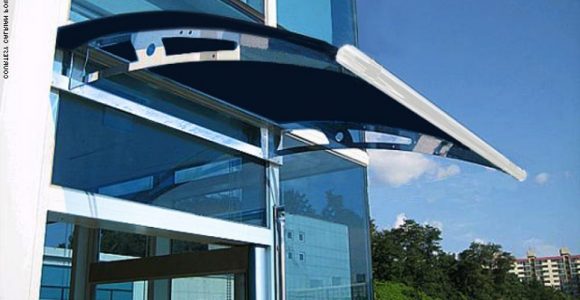
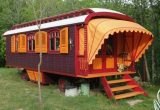
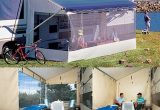
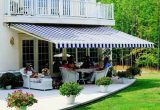
Awning definition, What is an awning? An awning is a cover made from canvas to sanctuary individuals or things from rain or sunlight, usually one will certainly use words awning about a roof-l...
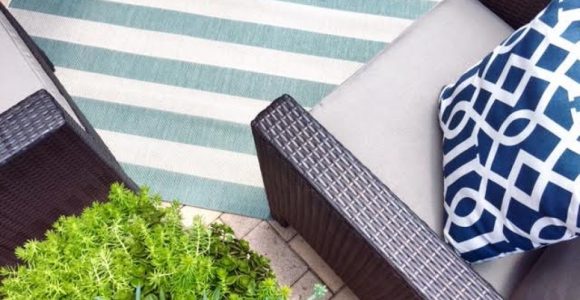


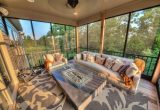
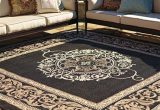
Frontgate outdoor rugs. These days embellishing does not have to be regarding custom-made, it could be regarding where to discover it currently and also exactly how to make it function for you. T...

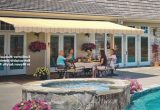
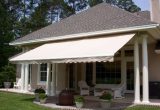


Retractable awning prices is influenced in various other means, too. On-line assemblers bill delivery costs, however this is more than balanced out by the reality they don't charge sales tax (bes...

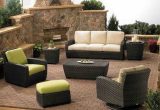
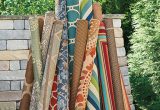
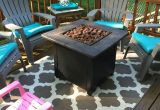
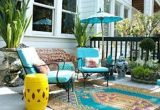
bed bath and beyond outdoor rugs (additionally called location rugs) not just include to the appearance of a space, yet likewise develop a setting including form, shade, and structure. Residence ...