Narrow Outdoor Spaces: Patio Furniture Setups That Fit
A strip of paving three metres long and two metres wide sits behind thousands of Australian homes, and most of it goes underused. The Sydney terrace with a rear lane, the Melbourne laneway courtyard walled in brick, the suburban backyard hemmed in by a Colorbond fence — each one gets treated as a bin store rather than a room. Yet these tight outdoor spaces are exactly where clever furniture arrangement pays off: a table that folds flat against the wall, a bench that hides the cricket bat, a surface that carries the storage instead of the floor.
Climate makes the problem sharper here than in most markets. December and January heat bakes a west-facing wall in Perth and Sydney, coastal gusts push salt into every joint in Bondi or Newcastle, and a Brisbane courtyard can hold humidity overnight. Get the layout right and the narrow patio becomes the busiest part of the house — somewhere for a flat white in the morning, a long lunch when the weather holds, and extra seating when the Christmas crowd arrives.
Measure twice: read your space before spending a dollar
Start with dimensions, then check what the tape hides. Measure both walls, the diagonal of the space, and the swing of the back door or the track of a sliding system. Note where the downpipe runs, where the gas line enters, and whether a tree root has lifted a paver; furniture cannot be dragged across any of those without planning around them. Leave a clear path of roughly 600 to 900 millimetres between the house and the gate, because the narrow patio still has to work as a thoroughfare on a busy afternoon.
Next, map the sun and the wind before choosing a layout. The north side of an Australian courtyard often holds the gentlest light, which makes it the logical spot for a small breakfast table, while a western wall in a Sydney or Perth suburb turns into a heat sink after two in the afternoon. Melbourne laneways funnel wind in one direction like a chimney, and any table set needs to be weighted or positioned where the gusts cannot catch the cloth. A folding screen or a light timber planter works as a wind break without adding bulk.
Finally, check the rules of the street. Councils and strata schemes often require approval for new paving, raised decks, fixed awnings, screens or anything built into the boundary fence, and the setback from the fence line is fixed. In declared bushfire-prone areas, including zones mapped by the CFA in Victoria and the RFS in New South Wales, timber screens and fabrics need suitable fire ratings, so a pergola or gazebo specification changes entirely depending on the postcode.
Furniture that folds, stacks and disappears
The most useful piece in a narrow patio is the one that leaves no footprint when the job is done. A folding bistro set, a drop-leaf wall table, stacking chairs that nest into a corner, and an ottoman with internal storage all buy back floor area without looking temporary. A drop-leaf table fixed to a brick or Colorbond wall can add a dining surface for two and then drop to nothing in seconds, and a wall-mounted rail keeps the leaves, the cushions and the folded chairs together.
Materials matter more in Australia than the price tag suggests. Powder-coated aluminium and marine-grade anodised frames survive salt and summer heat, quick-dry polyethylene rope and UV-stable acrylic outlast ordinary outdoor fabric, and teak — a common choice on Australian terraces because it silvers gracefully rather than rotting — carries a premium for good reason. Look for a UV rating and a warranty written in Australian terms, and be wary of anything sold with "outdoor" on the label but no fabric specification. Cushions that dry overnight rather than staying damp are the difference between furniture you use in February and furniture you leave out in the sun.
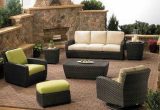
The local market reflects how we actually live. Australian makers such as Brosa, Yellow Mountain, Eco Outdoor, Urban Paws and Mitj Delegation have built their ranges around compact courtyards, apartment balconies and narrow suburban yards, with folding frames, dining sets for two and modular seating priced roughly between $300 and $1,800. Many are sold through Australian retailers with local warranty service, which matters when a powder-coated joint starts blistering after the first coastal summer.
Walls that work as hard as the floor
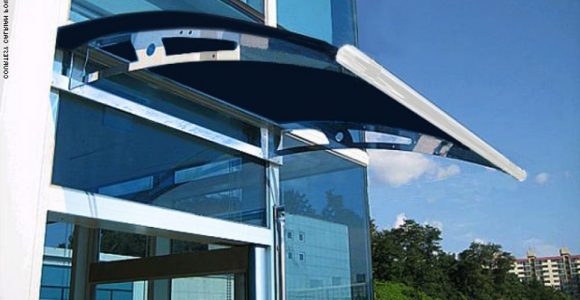
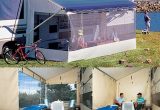
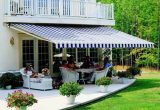
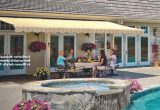
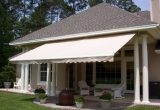
Once the floor is clear, the vertical surface becomes storage. Floating shelves take seedlings, herbs and the barbecue toolkit, a peg rail handles the hose and the basketball, and a narrow tiered planter can hang a herb garden off a fence without touching the paving. Trellised climbers such as star jasmine, coral creeper or a grapevine turn a blank boundary into a green screen, and they can be trained across a wall to soften the hard edge that makes small spaces feel boxed in. On a sun-exposed wall, shade sails and retractable awnings buy an afternoon of comfort without a roof structure.
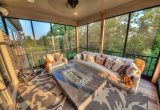
Privacy deserves as much attention as seating. A slatted timber screen at eye height, a bamboo panel or a folding outdoor screen gives a courtyard a sense of enclosure and stops neighbours from feeling like they are on the back seat. An outdoor mirror on the longest wall reflects light and doubles the apparent depth, which is why a mirror angled rather than hung flat works better. And if the walls are carrying the storage, they can carry the mood as well; there is useful reading on art in narrow patios that explains why a single well-placed piece shifts the whole composition.
Lighting follows the same logic. A wall lantern, a clipped solar light or a string of warm festoon bulbs overhead delivers ambience without a lamp post or a table lamp eating precious surface area. It also extends the patio's usefulness well past sunset, which in summer is exactly when you want it.
A layout checklist for tight outdoor rooms
Before ordering anything, sketch three layouts on graph paper and test them against the door swing, the sun and the barbecue. Use this checklist as the shopping list and the plan in one.
Furniture and layout decisions that earn their footprint:
- Divide the strip into zones: a spot for eating, a chair and a drink, and a separate home for the barbecue.
- Choose a folding or drop-leaf table that can rest flat against the wall between meals.
- Pick stacking or nesting chairs so everyday seating can double as guest seating.
- Keep a clear 600 to 900 millimetre path between the back door and the gate.
- Weight the layout with a planter or rug edge so furniture does not drift across smooth tiles.
- Choose a storage bench or ottoman to hold cushions, kids' gear and the firewood.
Finishing touches that make the room feel considered:
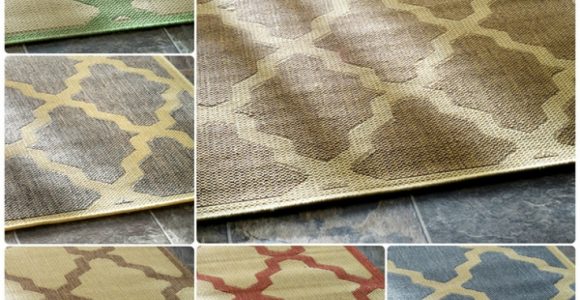
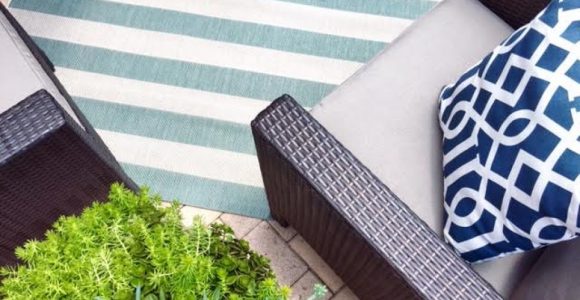
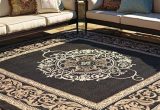
- Lay an outdoor rug to define the dining zone over hard paving.
- Add a slim planter or two for a trellis climber to soften the boundary fence.
- Fit retractable awning or a folding screen for afternoon shade and privacy.
- Use wall-mounted lighting or solar lanterns instead of a standing lamp.
- Hang one mirror or a piece of artwork on the longest wall to draw the eye along the space.
- Check every cushion and textile for a UV rating and an Australian warranty before buying.
Skipping one of these steps usually causes the space to feel crowded, and adding another chair rarely fixes it. Moving the barbecue, lifting the table onto the wall or clearing a path changes more than any purchase.
Bring the plan to life and enjoy the room
A narrow patio is not a compromise; it is a room with a brief, and the constraint forces the discipline that larger spaces lack. Each piece needs to justify the square metres it occupies, whether that means folding away, stacking into a corner, hiding clutter or climbing a wall. The result is a courtyard that looks composed rather than crammed, and one that comfortably holds breakfast, a barbecue and a dozen people across a long summer evening.
This weekend, measure the space properly, tape your chosen layout onto the paving with masking tape, and sit in it for a coffee before you spend anything. Look at the shadows, check the wind path and walk the route from the gate to the door. Then order the furniture and finish with the details that soften hard surfaces — a rug for warmth, a climber for green, a shade solution for the western wall. For a deeper library of layouts, materials and outdoor living ideas, browse the French Creative Connection and build your plan from there.