Nuloom Outdoor Rugs
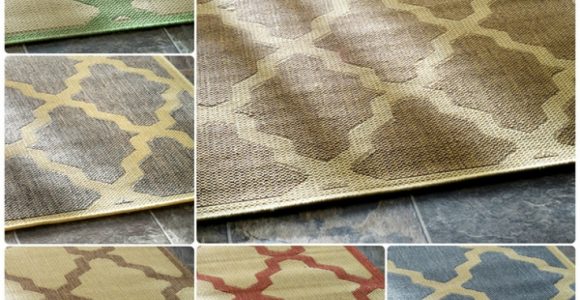



Nuloom Outdoor Rugs with pictures released for to offer the concepts to influence enhancing your home. This post of Nuloom Outdoor Rugs have of our collection pictures as well as gallery for embe...
Nuloom Outdoor Rugs with pictures released for to offer the concepts to influence enhancing your home. This post of Nuloom Outdoor Rugs have of our collection pictures as well as gallery for embe...
A well-designed patio cover can turn an exposed terrace into a more useful extension of the home. It can provide shade during hot afternoons, shelter from light rain, and a stronger sense of definition between the house, garden, and outdoor seating area. The right choice depends on how often the patio is used, the local climate, and the visual character you want to create.
Pergolas, solid roof structures, and shade sails each solve the problem of outdoor comfort in a different way. A pergola brings filtered light and architectural interest, while a solid roof gives the greatest weather protection. Sail shades are lighter, faster to install, and often more adaptable when a permanent structure is not practical.
Before choosing a design, consider the patio’s orientation, drainage, furniture, privacy, and connection to the house. Broader outdoor design ideas can also help you coordinate the cover with paving, planting, fencing, and the interior style visible through nearby doors.
A pergola is usually made from vertical posts and overhead beams or rafters. Traditional versions have an open roof, although adjustable louvered pergolas can control sunlight and offer some protection from rain. Timber creates a warm, natural appearance, while powder-coated aluminum provides a cleaner finish with less maintenance.
The main benefit of a pergola is atmosphere. Its slatted roof softens strong sunlight without making the patio feel enclosed, and climbing plants can add seasonal color and privacy. Wisteria, jasmine, grapevines, and climbing roses may eventually create a green canopy, although they require support, pruning, and time to establish.
An open pergola is best for homeowners who want a defined outdoor room rather than a fully weatherproof shelter. It works particularly well over dining furniture, a fire pit, or a seating area where some sunlight is welcome. Retractable fabric panels or sliding screens can improve flexibility when the weather changes.
A solid patio roof offers the most dependable protection from sun, rain, and in some cases snow. It may be built as an extension of the main roof, a lean-to canopy, or a freestanding structure supported by posts. Materials include timber, insulated panels, polycarbonate sheets, metal roofing, and tiles selected to complement the house.
This option is valuable when the patio is used for outdoor dining, cooking, entertaining, or storing weather-sensitive furniture. A properly designed roof can make the space feel like an additional room, especially when paired with outdoor lighting, ceiling fans, glazed screens, or an exterior heater.
However, a fixed roof demands careful planning. It may require local approval, structural calculations, and suitable foundations. The roof pitch must direct rainwater away from the house, while gutters and downpipes should discharge water safely rather than onto paving or neighboring property. A dark or poorly ventilated roof can also trap heat, so consider skylights, roof vents, or openable side panels.
Shade sails use tensioned fabric stretched between strong anchor points. Their crisp triangular or rectangular forms create a contemporary appearance and can cover a seating area without the visual weight of posts, rafters, or a large roof. Different sails can overlap to create layered shade across a broad patio.
These covers are often more affordable than permanent construction, although the cost depends on fabric quality, attachment points, and installation. High-density polyethylene mesh allows air to pass through and reduces heat buildup. Waterproof polyester or acrylic fabric provides better rain protection, but it needs a carefully angled installation so water does not pool.
Sail shades are a strong choice for renters, compact gardens, and homeowners who want seasonal coverage. They can be removed during winter or rearranged as the patio changes. Their limitations include less reliable protection during wind-driven rain, visible tension hardware, and the need for sturdy walls, posts, or trees that can safely bear the load.
The best patio canopy is the one that matches the way the space is actually used. A family that eats outside throughout the summer may value rain protection more than filtered sunlight. Someone who mainly wants a cool place for morning coffee may prefer a light pergola or breathable sail. The surrounding architecture should matter too: a sleek sail may suit a modern extension, while a timber pergola can soften a traditional garden.
Think about maintenance as well as initial price. Timber needs sealing or painting, fabric needs occasional cleaning, and solid roofs need checks around flashing, gutters, and fixings. Aluminum is generally low-maintenance, but its appearance and heat response should be considered alongside the rest of the garden design.
| Feature | Pergola | Solid Roof | Sail Shade |
|---|---|---|---|
| Shade level | Filtered to adjustable | High and consistent | High beneath the fabric |
| Rain protection | Limited unless covered | Strongest option | Depends on fabric and angle |
| Visual feel | Architectural and open | Room-like and substantial | Light, modern, and sculptural |
| Maintenance | Moderate for timber, low for aluminum | Gutter and roof maintenance | Fabric cleaning and hardware checks |
| Installation | Moderate, often with posts | Most complex and structural | Usually quicker, with strong anchors |
| Best for | Dappled shade and garden character | Frequent, all-season use | Flexible or seasonal coverage |
A cover should be planned as part of the entire outdoor room rather than treated as an isolated addition. Match its colors with paving, fencing, exterior walls, window frames, and outdoor furniture. Repeating one material or tone in several places can make a new structure appear intentional and connected to the property.
Scale is equally important. A small patio can feel crowded under oversized posts or a heavy roof, while a broad terrace may look unfinished with one undersized sail. Leave comfortable circulation around tables and chairs, account for door swings, and avoid placing support posts where they interrupt pathways or views into the garden.
Lighting can extend the usefulness of the patio after sunset. Recessed fixtures suit a solid roof, festoon lights work well on a pergola, and low-voltage spotlights can highlight sail edges or nearby planting. Add planting for softness, but keep roots, branches, and falling leaves away from gutters and fabric where possible.
Begin by observing the patio throughout the day. Note where the sun falls in the morning and afternoon, the direction of prevailing wind, and areas where rain collects. A cover that shades the table at noon may leave it exposed when the patio is most often used in the evening. Seasonal changes also affect the sun’s angle and the amount of shade provided.
Check the building regulations, boundary rules, and any restrictions affecting height or distance from neighboring properties. A freestanding pergola may have different requirements from a roof attached to the house. Even when formal permission is not needed, structural safety remains essential, especially for large sails and roofs exposed to strong winds.
Drainage and foundations deserve particular attention. Posts need stable footings, wall fixings must suit the masonry, and a solid roof should connect to the house without creating a route for moisture. Use corrosion-resistant hardware in damp or coastal areas, and select fabrics rated for outdoor ultraviolet exposure if a sail will remain in place for long periods.
Use these practical recommendations to narrow the options before requesting quotations or purchasing materials:
Budget should include more than the canopy itself. Allow for foundations, posts, electrical work, drainage, planning advice, installation, and future maintenance. A low-cost cover that needs early replacement or causes water damage can become far more expensive than a carefully specified structure.
It is also worth considering how the patio will look from indoors. Large glazed doors make the cover part of the home’s everyday view, so its proportions and roofline should complement the interior. A well-coordinated patio canopy can improve comfort outside while making the kitchen, living room, or dining space feel more connected to the garden.
Measure the patio, map the sun and rain, and decide which activities the covered area must support. Then compare pergola kits, custom solid roofs, and professionally tensioned sails using the same criteria for durability, installation, appearance, and long-term comfort. A considered choice will give the outdoor space a clearer purpose and make it easier to enjoy in changing weather.
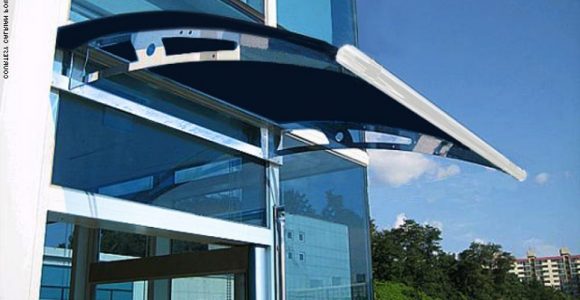
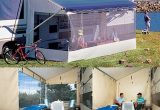
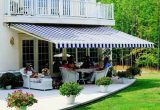
Awning definition, What is an awning? An awning is a cover made from canvas to sanctuary individuals or things from rain or sunlight, usually one will certainly use words awning about a roof-l...
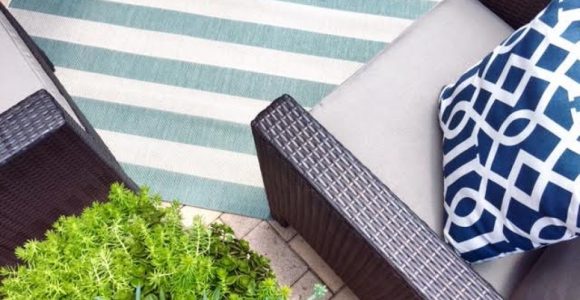


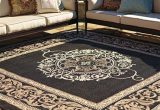
Frontgate outdoor rugs. These days embellishing does not have to be regarding custom-made, it could be regarding where to discover it currently and also exactly how to make it function for you. T...

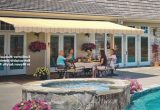
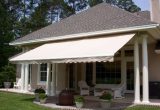


Retractable awning prices is influenced in various other means, too. On-line assemblers bill delivery costs, however this is more than balanced out by the reality they don't charge sales tax (bes...

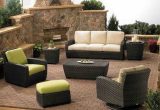
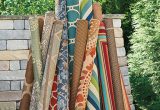
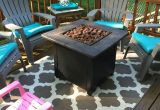
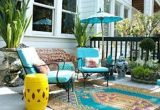
bed bath and beyond outdoor rugs (additionally called location rugs) not just include to the appearance of a space, yet likewise develop a setting including form, shade, and structure. Residence ...