Nuloom Outdoor Rugs
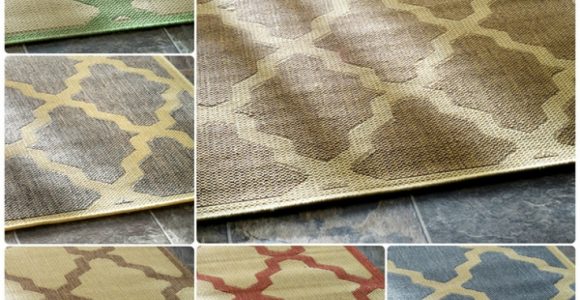



Nuloom Outdoor Rugs with pictures released for to offer the concepts to influence enhancing your home. This post of Nuloom Outdoor Rugs have of our collection pictures as well as gallery for embe...
Nuloom Outdoor Rugs with pictures released for to offer the concepts to influence enhancing your home. This post of Nuloom Outdoor Rugs have of our collection pictures as well as gallery for embe...
A balcony rug can transform a bare outdoor platform into a comfortable extension of the home. It softens hard flooring, defines a seating area, and introduces colour without the cost or permanence of replacing tiles, decking, or paving. Even a compact apartment balcony can feel more welcoming when its surfaces, furniture, and accessories work together.
The right choice depends on more than appearance. Balcony dimensions, door clearance, drainage, sunlight, wind exposure, and local weather all affect how well an outdoor carpet performs. A rug that looks beautiful in a sheltered showroom may fade, curl, or hold moisture when exposed to changing conditions.
With accurate measurements and suitable materials, it is possible to create a stylish outdoor living area that remains practical throughout the seasons. The key is to treat the rug as part of the balcony layout rather than as a finishing detail chosen at random.
Measure the usable floor area before browsing colours or patterns. Record the length and width, then note fixed features such as railings, drain outlets, columns, steps, storage boxes, and the path taken by the balcony door. These details determine where a rug can sit safely and whether a standard size will work.
For a small balcony, a rug measuring around 120 by 180 centimetres may be enough to anchor a bistro table and two chairs. A longer balcony can accommodate a 160 by 230 centimetre rug beneath a compact sofa, while larger terraces may suit two rugs that define separate dining and lounging zones. Leave a visible border of flooring around the rug so the balcony does not feel overcrowded.
Door movement deserves special attention. The rug should not obstruct the threshold, catch beneath the door, or create a raised edge that becomes a trip hazard. If the balcony door opens outward, position the rug several centimetres away from its swing. For sliding doors, keep the pile low and avoid placing a thick edge directly in the track area.
Rectangular outdoor rugs are versatile and easy to place beneath linear furniture. They work particularly well on narrow balconies because their direction can visually lengthen the space. A runner can guide the eye from the interior doorway towards the far end, making a slim balcony appear more ordered and purposeful.
Round rugs bring softness to balconies dominated by straight railings and square furniture. They are useful beneath a small café table or in a reading corner with one chair. On a wide terrace, two different shapes can distinguish a dining zone from a relaxed seating area without installing screens or permanent dividers.
Pattern scale should reflect the size of the space. Large geometric designs can become visually intense in a small area, while tiny repeated motifs may look busy when surrounded by several accessories. Stripes, borders, and subtle woven textures are reliable choices for adding interest while keeping the balcony connected to the interior style.
Colour should respond to sunlight and surrounding materials. Pale neutrals make a shaded balcony feel brighter, while earthy terracotta, olive, charcoal, and sand tones complement timber decking, brick, stone, and concrete. If the balcony already contains colourful cushions or planters, a restrained rug can provide balance rather than competition.
Polypropylene is a popular option for outdoor floor coverings because it resists moisture, dries relatively quickly, and comes in a broad range of colours and patterns. It is also easy to clean, making it suitable for balconies exposed to dust, pollen, food spills, and urban pollution.
Polyester can offer vivid colour and a soft appearance, although performance varies by construction and finish. Look for products described as UV-resistant when the balcony receives strong afternoon sun. Without some protection against ultraviolet exposure, saturated colours may fade unevenly over time.
Recycled plastic rugs are practical for exposed settings. Their flat woven construction often handles damp conditions well, and many can be shaken, swept, or rinsed clean. They may feel less soft underfoot than textile-style options, so pairing one with a low outdoor footstool or washable mat can improve comfort.
Natural fibres such as jute, sisal, and untreated cotton create an appealing organic look, but they require more careful placement. They can absorb water, develop mildew, or become brittle if repeatedly soaked and dried in direct sun. They are better suited to covered balconies with good airflow than to fully exposed terraces.
Material choice affects comfort, longevity, maintenance, and overall appearance. The best option depends on whether the balcony is sheltered, how frequently it is used, and how much time is available for cleaning and storage.
| Material | Strengths | Limitations | Best suited to |
|---|---|---|---|
| Polypropylene | Moisture-resistant, easy to clean, widely available | Can fade without UV protection | Exposed balconies and busy households |
| Recycled plastic | Dries quickly, durable, practical in wet weather | Firmer feel underfoot | Balconies with frequent rain or spills |
| Polyester | Soft appearance, bright colours, affordable | Quality varies; may retain some moisture | Sheltered spaces with decorative priorities |
| Jute or sisal | Natural texture, warm organic character | Absorbs moisture and may mildew | Covered balconies with good ventilation |
| Cotton blend | Comfortable and often washable | Less weather-resistant than synthetics | Seasonal use in protected areas |
Check the rug’s backing as carefully as its visible surface. A backing that traps moisture against the balcony floor can encourage staining or mould, particularly where ventilation is limited. Flat woven designs are generally easier to dry and less likely to hold water than thick, dense piles.
Also consider the environmental conditions around the property. A high-rise balcony may experience stronger wind than a ground-floor patio, while a shaded courtyard may remain damp after rainfall. Material specifications provide useful guidance, but the rug’s location and daily exposure ultimately determine its lifespan.
Weather resistance does not mean a rug should remain wet indefinitely. After heavy rain, lift or hang it where possible to encourage airflow. Avoid rolling it tightly while damp, since trapped moisture can create unpleasant odours and damage fibres. A covered storage bench can protect the rug during prolonged rain, winter frost, or periods when the balcony is not being used.
Sun exposure creates a different concern. Rotate the rug occasionally if furniture placement allows, so one section does not receive all the ultraviolet exposure. Light-coloured designs may disguise gradual fading better than deep reds, blues, or blacks, although a UV-stabilised synthetic remains the stronger defence.
Wind can lift even a relatively heavy rug, especially on an upper-floor balcony. Choose a flat, close-fitting design and use discreet outdoor rug grippers beneath it. Corner weights or furniture legs can provide additional security, but they should not create raised obstacles. Never attach a rug to railings in a way that could interfere with drainage, visibility, or building safety rules.
A balcony rug should relate to the furniture, planters, lighting, and architectural finishes already in place. Timber furniture pairs naturally with woven textures and botanical tones, while metal chairs can be softened with a patterned rug in warm neutrals. Concrete and pale render provide a clean backdrop for richer colours, graphic lines, or terracotta accents.
Think about the view from inside the home. When the balcony is visible through glass doors, the rug becomes part of the interior composition. Repeating a colour from nearby curtains, cushions, artwork, or flooring creates continuity. This does not require a perfect match; a shared undertone is often enough to make the transition feel deliberate.
The same principle applies when the balcony is part of a larger garden or terrace design. Fencing, screening, planters, and access points should feel connected rather than separately decorated. For ideas that bring practical access and visual character together, explore these garden gate ideas before selecting strong accent colours for the balcony.
Use accessories sparingly in a small space. One or two planters, a compact lantern, and weatherproof cushions may provide sufficient decoration. Keeping some floor visible preserves a sense of openness and makes it easier to sweep, inspect drainage, and move furniture when needed.
Regular maintenance is straightforward when the rug is chosen for the balcony’s conditions. Shake or vacuum it to remove grit, brush away leaves, and treat spills promptly with mild soap and water. Always follow the manufacturer’s care instructions, especially for coloured or coated materials.
Avoid harsh bleach and abrasive scrubbing, which can weaken fibres or create pale patches. If the rug is washable, confirm that it can be rinsed without blocking balcony drains or allowing dirty water to run onto a neighbour’s property. Dry it fully before returning it to the floor.
A non-slip underlay can improve comfort and reduce movement, but it must be suitable for outdoor use. Indoor felt pads may absorb water and deteriorate quickly. Inspect the rug edges every few weeks for curling, fraying, or lifted corners, particularly after storms or periods of heavy use.
Before ordering, compare the rug’s dimensions and construction with the actual balcony rather than relying on a product photograph. The following checks help balance style, comfort, and long-term performance:
These decisions also help control the budget. A simple flat-weave rug may be more useful than an expensive deep-pile design that stays damp or obstructs the door. Prioritise construction, size, and weather suitability first, then refine the look through colour and pattern.
The most successful balcony designs combine practical planning with a clear visual idea. A well-sized rug can define where people sit, soften the hard surface beneath their feet, and make modest furniture feel more intentional. When its material suits the climate and its edges remain secure, it becomes an everyday improvement rather than a fragile decoration.
Take measurements, assess the balcony’s exposure, and choose a rug that supports the way the space is used. With the right foundation, a few coordinated furnishings can turn an overlooked outdoor area into a comfortable retreat for morning coffee, evening meals, or quiet time in the open air.

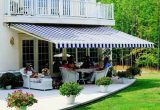
Awning definition, What is an awning? An awning is a cover made from canvas to sanctuary individuals or things from rain or sunlight, usually one will certainly use words awning about a roof-l...
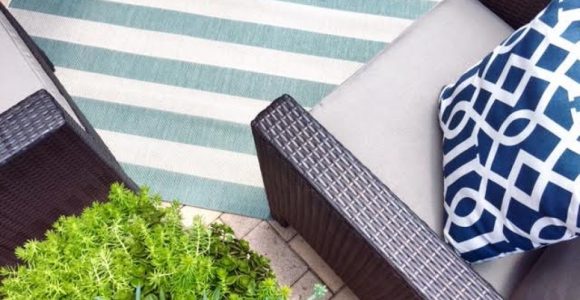


Frontgate outdoor rugs. These days embellishing does not have to be regarding custom-made, it could be regarding where to discover it currently and also exactly how to make it function for you. T...

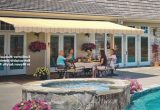
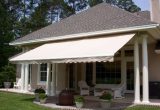


Retractable awning prices is influenced in various other means, too. On-line assemblers bill delivery costs, however this is more than balanced out by the reality they don't charge sales tax (bes...

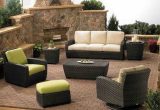
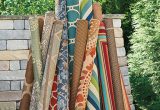
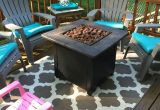
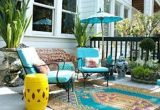
bed bath and beyond outdoor rugs (additionally called location rugs) not just include to the appearance of a space, yet likewise develop a setting including form, shade, and structure. Residence ...