Nuloom Outdoor Rugs
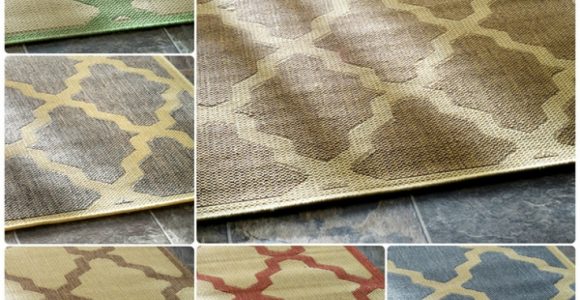



Nuloom Outdoor Rugs with pictures released for to offer the concepts to influence enhancing your home. This post of Nuloom Outdoor Rugs have of our collection pictures as well as gallery for embe...
Nuloom Outdoor Rugs with pictures released for to offer the concepts to influence enhancing your home. This post of Nuloom Outdoor Rugs have of our collection pictures as well as gallery for embe...
A well-placed outdoor rug can make a patio, deck, balcony, or garden terrace feel like a deliberate extension of the home. It gives furniture a visual foundation, softens hard paving, and helps separate areas that serve different purposes. Without that foundation, chairs and tables can appear scattered, even when every item has been chosen carefully.
Rug placement matters as much as colour, pattern, and material. A small rug floating beneath a coffee table may make a spacious seating arrangement feel cramped, while a rug that extends too far into a walkway can become a trip hazard. The right approach is to treat each outdoor seating zone as a room with its own boundaries and circulation routes.
Whether you are furnishing a compact balcony or a generous patio with several functions, start by considering how people move, sit, dine, and relax. The rug should support those activities rather than interrupt them.
Before buying an outdoor rug, map the furniture arrangement with masking tape, chalk, or a hose. Mark the position of sofas, lounge chairs, dining tables, planters, and likely walking routes. This quick exercise reveals the true footprint of the zone and prevents a rug from being selected based only on the size of the table.
For a conversation area, the rug should usually sit beneath the central coffee table and extend toward the seating. Ideally, the front legs of sofas and armchairs rest on the rug, creating a connected arrangement. In a smaller space, placing only the front legs on the rug can provide the same visual effect while preserving valuable floor area.
A dining zone needs enough room for chairs to remain on the rug when they are pulled away from the table. Allow approximately 60 to 75 centimetres beyond the tabletop on every side. This reduces the chance of chair legs catching on the rug edge and keeps the dining arrangement visually balanced.
Large patios often contain several activities: dining near the kitchen door, lounging beneath an awning, and perhaps a reading or fire pit area farther into the garden. Matching rugs can unify these spaces, while different shapes or patterns can establish their individual identities.
Keep a visible strip of paving or decking between zones when possible. This gap acts like a transition passage and stops the rugs from merging into one oversized visual block. If the zones are close together, repeat one colour across both rugs rather than choosing identical designs. The result feels coordinated without becoming overly formal.
Rug edges should align with the architecture wherever practical. A rectangular rug can echo the lines of a deck, pergola, or sliding door, while a round design works well beneath a circular dining table or in a curved seating arrangement. The goal is to reinforce the structure of the space, not compete with it.
For an L-shaped outdoor sofa, a large rectangular rug usually works best when it reaches beneath the sofa’s front legs and fills the open area in front. Avoid placing a narrow rug only under the coffee table, as this can make the sectional look disconnected. If the sofa is positioned against a wall, leave a small clearance rather than forcing the rug tightly into the corner.
Two chairs and a small table can be anchored with a compact square or round rug. The rug should extend far enough for the chair legs to remain supported when someone shifts position. In a narrow balcony, a runner placed lengthways can define a relaxed seating strip without blocking the main route to the door.
For a dining set, centre the rug under the table rather than under the entire furniture group. Check that the rug remains flat when chairs move back. Low-profile woven designs are particularly useful here because bulky edges can catch chair legs and become difficult to clean after meals.
| Seating zone | Suitable rug shape | Recommended placement | Key allowance |
|---|---|---|---|
| Sofa and coffee table | Large rectangle | Front legs of seating on the rug | Extend beyond the coffee table |
| Two lounge chairs | Square or round | Centre beneath table and chairs | Keep all chair legs stable |
| Outdoor dining | Rectangle or oval | Centre beneath the tabletop | Allow 60–75 cm for chairs |
| Bistro balcony | Runner or small square | Lengthways along the seating | Preserve the doorway route |
| Fire pit circle | Round | Centre beneath low seating | Leave a safe, heat-aware perimeter |
| Sectional sofa | Oversized rectangle | Beneath front half of the sectional | Avoid exposed, unsupported edges |
The surface beneath the rug affects both its appearance and its performance. On timber decking, a rug can introduce colour and make the space feel warmer, but trapped moisture may encourage mildew or staining. Lift and air the rug regularly, especially after rain, and clean debris from beneath it.
Composite decking has different maintenance considerations from natural timber, including its appearance, heat retention, and resistance to moisture. Before furnishing a new deck, compare these factors in this guide to wood vs composite decking, then choose a rug colour that works with the surface through changing daylight.
On stone, porcelain, or concrete paving, use a rug with a breathable backing where possible. Avoid materials that leave permanent marks or react poorly to moisture. Outdoor-safe polypropylene is popular because it dries relatively quickly, resists fading, and can often be washed with mild soap and water.
Wind is another practical concern. A lightweight rug on an exposed terrace may curl at the corners or shift beneath chairs. Look for a heavier flat weave, use discreet rug grips designed for outdoor surfaces, or select furniture with enough weight to hold the rug securely without damaging it.
A rug should make a seating area feel inviting, yet it must never narrow the main route through the garden. Maintain a clear passage between doors, steps, gates, and cooking areas. In busy family spaces, rounded corners or small overlapping zones can be safer than a large rug with an exposed edge in the middle of a walkway.
Leave room around fire pits, outdoor heaters, and cooking equipment according to the manufacturer’s safety instructions. Most standard outdoor rugs are not designed to withstand direct sparks, hot embers, or intense radiant heat. A fire pit zone may need a separate heat-resistant surface, with the decorative rug kept beyond the safe perimeter.
Think about sightlines as well as footsteps. A rug beneath a low sofa can visually anchor the zone without blocking views of a lawn or planting bed. If the rug is patterned, orient its strongest lines toward the main approach so the design welcomes people into the seating area rather than drawing attention away from it.
For homes used throughout the evening, lighting can reinforce the boundaries created by rugs. Low-level lanterns, wall lights, or discreet deck lighting can illuminate edges and improve safety. For a social terrace, even online entertainment themes such as a Wednesday reload offer may inspire a casual game-night setting, but the rug should remain practical enough for drinks, snacks, and frequent movement.
Outdoor rugs do not need to match every cushion or planter. Instead, select one or two tones already present in the architecture or landscape. A sand-coloured rug can soften charcoal paving, while deep green or blue can connect a seating area with surrounding planting.
Pattern is especially useful when a zone needs definition. Stripes can lengthen a narrow balcony, geometric motifs can suit contemporary paving, and organic forms can complement a cottage garden. In a multi-zone patio, vary the scale of the pattern rather than combining several bold designs that compete for attention.
Consider how the rug will look when wet, shaded, or viewed from inside the house. Very pale colours show dirt quickly, while extremely dark rugs can absorb heat and fade noticeably in direct sun. Mid-tone neutrals, muted blue, terracotta, and weathered green often provide a practical balance between style and maintenance.
Layering can add comfort when used carefully. A flat outdoor rug beneath a smaller accent mat may work beside a lounge chair or beneath a side table, but avoid creating raised edges where people walk. Layered designs are most successful when each piece has a clear function and remains secure in changing weather.
Sweep leaves and soil from outdoor rugs frequently, as organic debris can retain dampness and stain the fibres. Follow the manufacturer’s cleaning instructions, and test any cleaning solution on a discreet corner first. Many synthetic rugs can be hosed down, but they still need adequate airflow to dry fully.
Move the rug occasionally so the surface beneath receives sunlight and ventilation. This is particularly important on timber and composite decking, where moisture and trapped grit can affect the appearance of the boards. Store the rug during severe weather or winter if the space is not used regularly.
Use these practical checks when planning each seating area:
The best arrangement will feel effortless: chairs remain stable, people can move freely, and each outdoor room has a clear visual centre. A rug should support the way the space is used every day, from quiet morning coffee to extended evening gatherings.
Take measurements of your patio, deck, or balcony, sketch the seating zones, and mark the routes between them before shopping. With the correct scale, durable material, and carefully aligned edges, an outdoor rug can turn separate pieces of furniture into a comfortable, polished living space.
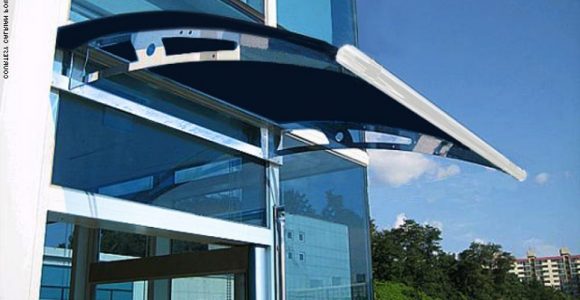
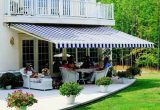
Awning definition, What is an awning? An awning is a cover made from canvas to sanctuary individuals or things from rain or sunlight, usually one will certainly use words awning about a roof-l...
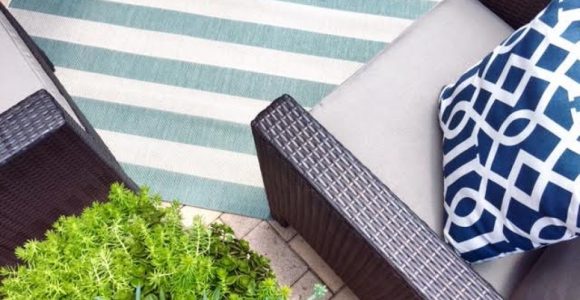


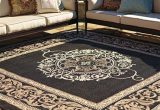
Frontgate outdoor rugs. These days embellishing does not have to be regarding custom-made, it could be regarding where to discover it currently and also exactly how to make it function for you. T...

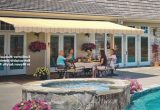
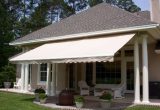


Retractable awning prices is influenced in various other means, too. On-line assemblers bill delivery costs, however this is more than balanced out by the reality they don't charge sales tax (bes...

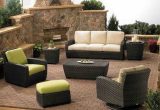
bed bath and beyond outdoor rugs (additionally called location rugs) not just include to the appearance of a space, yet likewise develop a setting including form, shade, and structure. Residence ...