Outdoor Rug Materials for Australian Homes
An outdoor rug can make a patio, balcony or covered deck feel like a proper living room rather than an area furnished with leftover chairs. It defines a seating zone, softens hard paving and adds colour beneath an outdoor dining table. The material you choose, however, determines how well the rug copes with Australian sun, sudden rain, coastal air and everyday entertaining.
Polypropylene, jute and sisal each create a distinct look and offer different levels of practicality. Polypropylene is generally the easiest-care option, while jute and sisal bring natural texture and warmth. Understanding their fibres, moisture tolerance and maintenance requirements will help you choose a rug that suits both your design preferences and the conditions around your home.
Polypropylene For Flexible Outdoor Living
Polypropylene is a synthetic fibre widely used for outdoor rugs because it resists fading, absorbs very little water and dries relatively quickly. Its low moisture absorption makes it a sensible option for uncovered patios, poolside seating areas and balconies where a rug may be exposed to light showers. Many polypropylene designs are also treated to resist mould and mildew, although no rug should be left permanently wet.
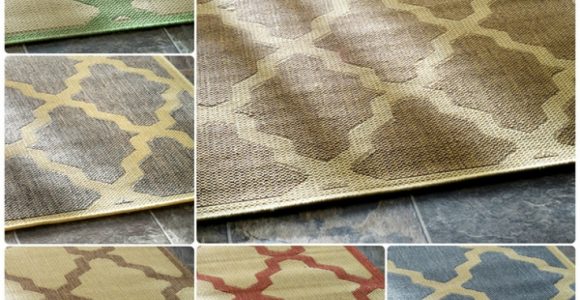
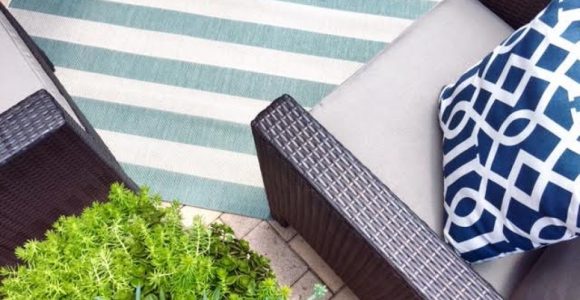
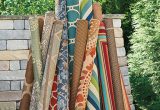
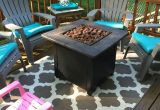
The fibre can be woven into flat, tightly patterned surfaces or made to resemble wool, sisal and other natural materials. This gives homeowners plenty of choice, from understated charcoal stripes for a contemporary Melbourne terrace to geometric patterns that brighten a Queensland alfresco area. It is also relatively lightweight, making it easier to lift, shake and store when severe weather is forecast.
Polypropylene is comfortable beneath bare feet, which suits the Australian custom of moving between the house, deck and garden without shoes. Look for a UV-stabilised product rather than assuming every synthetic rug is designed for full sun. A quality outdoor rug should also have a stable backing or sufficient weight to prevent it from curling and lifting in breezy coastal suburbs.
The Character Of Jute And Sisal
Jute is a plant-based fibre with a soft, relaxed appearance and a slightly irregular weave. It works beautifully with timber furniture, cane seating, linen cushions and earthy landscaping. The golden-brown colour of untreated jute can make a stark paved courtyard feel warmer, particularly when the surrounding scheme includes terracotta pots, sandstone or pale rendered walls.
Its weakness is moisture. Jute fibres can absorb water, swell and develop mildew if they remain damp. For that reason, a jute rug is best placed in a covered veranda, enclosed balcony or sheltered outdoor room rather than beside an exposed pool. It should also be protected from repeated wet cleaning, as excess moisture may distort the weave and cause staining.
Sisal is another natural fibre, usually produced from the leaves of the agave plant. It has a firmer, more structured texture than jute and often offers stronger resistance to everyday abrasion. Sisal can suit a covered deck with heavy foot traffic, but it is still vulnerable to prolonged dampness. Neither material should be treated as a carefree alternative to a purpose-made synthetic outdoor rug.
Matching Fibres To Australian Conditions
The local climate should guide the decision as much as the colour or pattern. In Brisbane and other humid parts of Queensland, airborne moisture and summer storms can make natural-fibre rugs difficult to manage outdoors. A covered alfresco space may still accommodate jute or sisal, provided the rug can be lifted and dried quickly after rain.
Homes in Sydney, Perth and Adelaide often face intense summer UV exposure, while coastal properties contend with salt carried by sea breezes. Polypropylene generally performs better in these settings, especially when the rug has colourfast fibres and a breathable construction. A natural rug may still work beneath a deep veranda, but positioning it away from wind-driven rain and direct afternoon sun is important.
In Melbourne, where cool seasons and changeable weather encourage homeowners to use covered entertaining areas year-round, a natural rug can add welcome visual softness. Even there, avoid placing jute or sisal directly on damp concrete or pavers. A rug pad designed for outdoor use can improve drainage and air circulation, while also reducing movement across smooth porcelain tiles.
Comfort, Cleaning And Long-Term Care
A rug’s practicality depends on its daily setting. Under an outdoor dining table, crumbs and food spills are likely, so a low-pile polypropylene design is easier to sweep and spot-clean. Under a lounge setting, a slightly thicker weave may feel more comfortable, but it should still allow dirt to fall through or be removed without complicated maintenance.
Regular care is straightforward. Shake or vacuum the rug gently, remove leaves before they become embedded and blot spills instead of rubbing them deep into the fibres. Polypropylene can usually be washed with mild soap and water, followed by thorough drying in a well-ventilated position. Check the manufacturer’s instructions before using a pressure washer, as forceful water can damage the weave or backing.
Jute and sisal need a lighter touch. Dry brushing and prompt blotting are safer than soaking, while harsh detergents can mark or weaken the fibres. If the rug is used in a sheltered entertaining zone, lift it periodically to inspect the underside for trapped moisture. Seasonal storage is worthwhile for natural rugs, particularly during wet periods or when the outdoor area will not be used for several weeks.
Designing A Cohesive Outdoor Room
Material should support the wider design language of the property. Polypropylene is ideal when you want a precise colour, bold pattern or easy transition between indoor and outdoor zones. It can echo cushions, outdoor curtains or painted fencing without the expense and maintenance associated with delicate natural fibres. Reversible styles are especially useful when one side begins to show signs of everyday use.
Jute and sisal are effective when the goal is a quieter, textural scheme. Their neutral tones complement native planting, recycled timber, concrete planters and stone paving. A sisal rug beneath a covered dining setting can make an outdoor room feel more architectural, while jute suits casual seating and a softer, coastal look. In both cases, keep the surrounding palette restrained so the weave remains a deliberate feature.
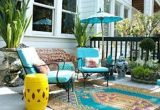
The rug should also relate to privacy and planting. If a patio feels exposed, combining layered screening with comfortable flooring can make it more inviting; ideas for fast-growing backyard hedges can help create a greener backdrop around a seating area. Choose a rug size that allows the front legs of sofas and chairs to rest on it, rather than selecting a small mat that visually floats in the middle of the setting.
A Practical Selection Checklist
- Choose polypropylene for exposed patios, pool areas, busy family zones and homes with frequent wet weather.
- Consider jute for a covered veranda where warmth, softness and a relaxed natural look matter most.
- Select sisal for a sheltered area that needs a firmer, more structured texture and good everyday abrasion resistance.
- Check UV stabilisation, drainage, backing quality and cleaning instructions before purchasing.
- Measure the furniture arrangement, allowing at least the front legs of seating to sit securely on the rug.
- Lift and dry any outdoor rug regularly, especially after rain, cleaning or periods of high humidity.
The right choice is ultimately a balance between appearance, exposure and the way the space is used. Polypropylene offers the broadest range of low-maintenance solutions, while jute and sisal bring organic character to protected areas. A shaded city balcony may suit a natural fibre, whereas a sunny pool terrace in Perth or a storm-exposed Queensland patio will usually benefit from a resilient synthetic weave.
Before buying, observe where rain lands, how many hours of sun reach the area and whether the rug will be exposed to food, pets or heavy foot traffic. Then select a fibre that supports those realities rather than relying on appearance alone. With the right material, scale and care routine, an outdoor rug can make an Australian patio feel finished, comfortable and connected to the rest of the home.