Outdoor Rug Maintenance for Australian Homes
An outdoor rug can make a patio, balcony or alfresco area feel like a finished room, adding softness beneath a dining setting and defining a place for relaxed entertaining. Yet Australian conditions can be demanding. Strong ultraviolet light, sudden rain, dust, sand and food spills all affect how quickly a rug looks tired.
A simple routine of regular vacuuming, prompt spot cleaning and suitable storage keeps outdoor flooring fresher for longer. The right method depends on the rug’s fibre, backing and location, so maintenance should begin with the care label rather than a one-size-fits-all cleaning product.
Match Care to the Rug Material
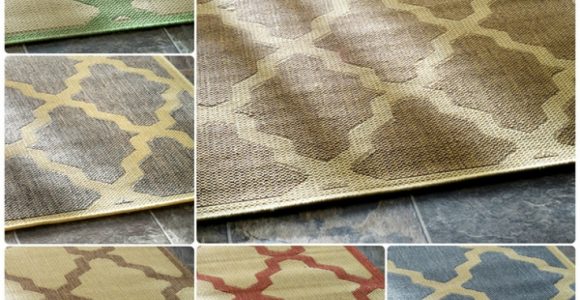
Polypropylene is a popular choice in the Australian market because it is colourfast, moisture-resistant and easy to clean. It suits covered patios in Brisbane, sunny courtyards in Perth and busy entertaining areas where drinks or barbecue food may be spilled. Many flatweave rugs can be shaken, vacuumed and hosed gently, although the backing still needs time to dry completely.
Natural fibres such as jute, sisal and bamboo have a warm, textured appearance but are less tolerant of prolonged dampness. They can absorb moisture, develop mildew and become distorted if saturated. Use a dry or lightly damp cleaning method, keep them away from exposed lawn irrigation and avoid leaving them in standing water after a storm.
Pile height also influences care. A low, tight weave traps less dirt and is practical beneath outdoor dining furniture, while a thicker pile may feel comfortable in a sheltered lounge area but collect leaves, grit and pet hair. Before buying, check whether the rug is intended for full outdoor exposure or only for a covered verandah.
Create a Reliable Vacuuming Routine
Regular vacuuming removes abrasive grit before it works down into the fibres. Fine sand from coastal areas such as the Gold Coast or Adelaide can act like sandpaper underfoot, while dry leaves and eucalyptus debris may stain when they become wet. Vacuum the surface weekly during periods of regular use, increasing the frequency around a pool or barbecue.
Use a suction-only setting when the manufacturer advises against a rotating brush. A beater bar can pull loops, roughen a flatweave surface or damage a delicate border. Move slowly in overlapping passes, then vacuum the reverse side when possible. Turning the rug over outdoors and gently tapping it can release embedded dust without forcing debris deeper into the weave.
Lift furniture before cleaning rather than dragging it across the rug. Chair legs can catch an edge, and heavy planters may flatten one section permanently. Rotate the rug every few months so sunlight and foot traffic are distributed more evenly, particularly on north-facing decks that receive intense summer exposure.
Treat Spills Before They Become Stains
Act quickly when coffee, wine, sunscreen or grease lands on the rug. Blot with a clean, absorbent cloth, working from the outside of the mark towards the centre. Rubbing spreads liquid through the fibres and can create a fuzzy patch, while vigorous scrubbing may disturb the weave.
Test any detergent on an inconspicuous corner first. A small amount of mild dishwashing liquid diluted in lukewarm water is often sufficient for synthetic fibres, but strong bleach, solvents and abrasive powders can strip colour or weaken the backing. Never combine cleaning chemicals, and follow the label if it specifies a particular treatment.
Keep a compact cleaning kit near the entertaining area so a spill can be handled immediately rather than after a long lunch or weekend gathering. Useful items include:
- White or colourfast cotton cloths for blotting
- A soft-bristled brush for textured surfaces
- Mild detergent without bleach or brighteners
- A spray bottle filled with clean water for rinsing
- A plastic scraper for lifting dried food
- A bucket reserved for rug cleaning
Greasy marks may need two light treatments instead of one heavy application. Remove solid residue with a spoon or scraper, dab with diluted detergent, then rinse by blotting with plain water. Avoid soaking the rug unless its care instructions specifically allow thorough washing.
Wash, Dry and Deodorise Safely
Some polypropylene rugs can be rinsed with a garden hose on a clean, sloped surface. Use gentle water pressure and avoid directing water at a glued edge or latex backing. A pressure washer may force dirt and moisture into the underside, damage fibres and leave visible lines, even when the top looks clean.
After rinsing, press out excess water without twisting. Hang the rug over a strong rail only if its weight will not cause stretching; otherwise, lay it flat on a clean, raised surface. Turn it during drying so air reaches both sides. In humid Sydney weather or after Melbourne rain, drying may take longer, so do not return the rug to the floor while the underside still feels cool or damp.
Ventilation is more effective than perfume for musty odours. Baking soda can be used sparingly on some synthetic rugs before vacuuming, but it should be avoided where the manufacturer warns against powder. If mildew remains after cleaning, professional treatment may be safer than repeated household chemicals, especially when the backing has begun to break down.
Store Rugs Through Wet Weather
Seasonal storage is useful for rugs on open decks, balconies and patios that receive little use during the cooler months. Roll the rug with the pile facing inward if the care label permits, keep it completely dry and wrap it in a breathable sheet or fabric cover. Plastic sealed tightly around residual moisture can create condensation and encourage mould.
Before storing, vacuum both sides, treat marks, and inspect the edges for fraying. Do not fold a stiff-backed rug into sharp sections, as creases may become permanent. Store it horizontally where possible, raised from a concrete garage floor and away from garden chemicals, fuel, fertiliser and direct sun.
A practical storage check helps prevent damage:
- Clean and dry the rug fully before rolling it
- Use a breathable cover rather than airtight plastic
- Keep the roll elevated and protected from pests
- Place it away from damp walls and leaking doors
- Label the storage cover with its room and orientation
- Unroll it occasionally during long storage periods
In smaller Australian apartments, an under-bed bag or tall linen cupboard may be the only option. Choose a location with stable temperature and low humidity, and avoid compressing the rug beneath heavy boxes. When the rug comes out of storage, air it in shade before placing it back on the patio.
Coordinate Maintenance With Outdoor Styling
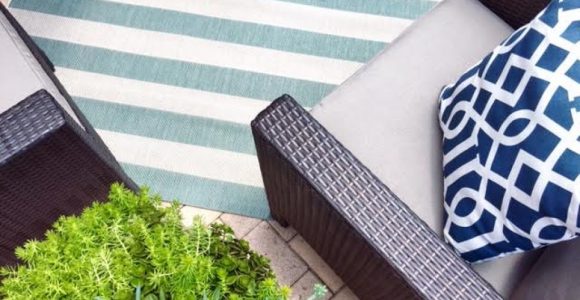
Good care is easier when the rug suits the way a space is used. Place a doormat at the transition from garden or pool area, add furniture pads to reduce pressure points, and leave a small margin around the rug so water can drain. Under a dining table, select a size that allows chairs to remain on the rug when pulled out; this reduces catches and uneven wear.
Sun exposure should also influence colour selection. Pale neutrals can make a small Melbourne courtyard feel open, while medium tones may disguise dust in a busy family alfresco. In exposed locations, choose a rug described as UV-resistant and check the manufacturer’s fading warranty. Strong sunlight can still alter colours over time, even when a product is marketed for outdoor use.
Outdoor furniture and accessories should age at a similar pace. If a faded table or chair set makes a clean rug look out of place, this guide on reviving faded patio furniture offers a practical way to refresh the surrounding scheme. Use exterior-rated coatings and keep freshly painted pieces off the rug until fully cured.
Layering should remain restrained. One well-sized rug can define a lounge zone, while a second smaller mat may work near a door or barbecue station. For sheltered verandahs styled as an extension of the living room, consider how decorative elements relate in scale; this artwork scale guide provides useful principles for balancing large furniture and surrounding visual space.
A maintenance routine also protects the look of the whole setting. Vacuum before guests arrive, blot spills during use and move the rug for a deeper clean when the season changes. These small habits preserve texture, reduce odours and help an outdoor entertaining area remain comfortable through Australia’s shifting weather.
Set a reminder for weekly vacuuming, keep the cleaning kit within reach and check the rug’s care label before its next wash. With steady attention and sensible storage, a quality outdoor rug can continue defining your patio, deck or balcony through many seasons of Australian living.