Nuloom Outdoor Rugs
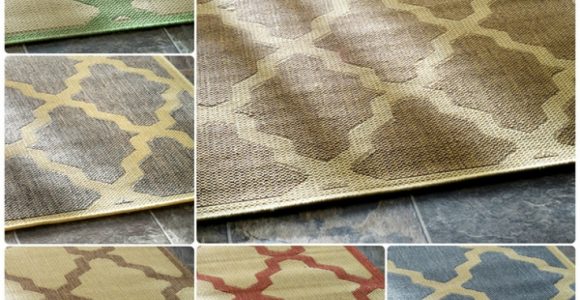



Nuloom Outdoor Rugs with pictures released for to offer the concepts to influence enhancing your home. This post of Nuloom Outdoor Rugs have of our collection pictures as well as gallery for embe...
Nuloom Outdoor Rugs with pictures released for to offer the concepts to influence enhancing your home. This post of Nuloom Outdoor Rugs have of our collection pictures as well as gallery for embe...
An outdoor rug can make a patio, balcony, gazebo, or covered porch feel like a finished room. It softens hard paving, defines a seating area, and adds color beneath dining furniture. However, constant exposure to rain, humidity, shade, and organic debris can leave even a weather-resistant rug vulnerable to mold and mildew.
Dark spots, a musty odor, or fuzzy growth usually mean moisture has remained trapped in the fibers or underneath the rug. Prompt cleaning helps protect the rug’s appearance and prevents spores from spreading to nearby cushions, decking, and outdoor furniture.
The right method depends on the rug’s material, dye stability, backing, and level of contamination. A quick inspection followed by gentle washing, thorough rinsing, and complete drying will usually restore a washable synthetic rug. Natural fibers and heavily affected pieces require more caution.
Mold and mildew need moisture, warmth, and a food source. Leaves, pollen, soil, spilled drinks, and pet residue can supply the organic material that allows spores to grow. A rug placed beneath dense furniture may stay damp long after the surrounding patio has dried, especially when airflow is limited.
Poor drainage also contributes to the problem. If an outdoor rug sits directly on concrete or paving with dips and uneven joints, water can collect underneath it. Rugs laid over timber decking may dry more effectively, but trapped debris between the boards can still hold moisture against the underside.
Shade is another common factor. A covered patio protects furnishings from intense sunlight, yet a shaded rug receives less ultraviolet exposure and evaporation. Regularly lifting the rug, sweeping below it, and allowing air to circulate can reduce the conditions that encourage mildew.
Mildew often appears as small gray, white, yellow, or black patches with a powdery or slightly fuzzy surface. It tends to produce a damp, earthy smell. Mold may look darker and more established, with irregular spreading marks that penetrate deeper into the pile or backing.
Not every dark mark is fungal growth. Mud, leaf tannins, rust from metal furniture, algae, and food stains can create similar discoloration. Test the area with a dry cloth first, then inspect it in bright daylight. A musty smell that returns after the rug dries is a strong indication that cleaning needs to address more than surface dirt.
Before using any solution, check the care label and identify the fiber. Polypropylene and other synthetic outdoor rugs generally tolerate water-based cleaning well. Wool, jute, sisal, cotton, and rugs with latex or rubber backing can shrink, shed, discolor, or deteriorate when soaked or treated with harsh chemicals.
Take the rug outdoors before disturbing visible mold. Choose a dry, breezy day and wear gloves, long sleeves, and a mask if you are sensitive to dust or mold spores. Keep children and pets away from the work area, and avoid shaking a heavily contaminated rug near open windows or doors.
Start by removing loose dirt with a soft-bristle brush or vacuum suitable for the rug’s construction. Work outdoors and use gentle strokes so the fibers are not damaged. Vacuum both sides when possible, then clean the surface beneath the rug because spores and damp debris may remain on the patio.
Test your cleaning solution on a hidden corner. A mild mixture of lukewarm water and a small amount of liquid dish soap is a useful starting point for most synthetic rugs. Avoid mixing bleach with vinegar, ammonia, or other cleaners. Chlorine bleach may fade colored fibers and weaken the backing, so it should not be the default treatment for decorative outdoor textiles.
For a polypropylene or polyester rug, place it on a clean sloped surface and wet it with a garden hose. Apply diluted detergent with a soft brush, concentrating on the affected areas without aggressively scrubbing the pile. Allow the solution to work briefly, then rinse until the runoff is clear and free of suds.
A diluted white vinegar solution can help reduce mildew odor on many colorfast synthetic rugs, but it should still be patch-tested first. Vinegar is not a guaranteed mold remover, particularly when growth has reached the backing. For persistent staining, an oxygen-based cleaner labeled safe for synthetic textiles may be more appropriate than chlorine bleach.
Natural-fiber rugs need a restrained approach. Jute, sisal, seagrass, and untreated wool can absorb water quickly, making them difficult to dry before the fibers swell or mildew spreads. Blot rather than saturate, follow the manufacturer’s instructions, and consider professional rug cleaning if the contamination is extensive or located underneath the rug.
| Rug material | Suitable first step | Main precaution | Drying approach |
|---|---|---|---|
| Polypropylene | Hose rinse and mild detergent | Test for colorfastness | Hang or lay flat with airflow |
| Polyester | Soft brush and diluted soap | Avoid harsh scrubbing | Dry both sides completely |
| Cotton | Limited spot cleaning | May shrink or hold moisture | Dry quickly in bright air |
| Wool | Blot and use a specialist cleaner | Do not saturate | Professional drying is safest |
| Jute or sisal | Dry brushing and careful spot treatment | Water can cause swelling and browning | Keep moisture minimal |
| Rubber-backed rug | Surface cleaning only at first | Backing may crack or separate | Never store while damp |
If the rug sits beside stained decking or faded patio furniture, cleaning can be part of a wider outdoor refresh. Coordinating the textile with a renewed timber finish, such as the tones discussed in these deck stain colors, can make the whole seating area appear more intentional.
Rinsing is as important as washing. Leftover detergent can attract dust and leave a sticky residue that holds moisture. Direct clean water through the rug from several angles, then press or squeegee out excess water without twisting the material, which may distort its shape.
Dry the rug fully on both sides before returning it to the patio. Drape it over a strong railing or drying rack if the construction allows, or lay it flat on a clean surface and turn it periodically. Elevating the rug slightly improves airflow underneath. Do not place furniture back on it until the backing and underside feel completely dry.
Once clean, inspect the patio surface and nearby items. Clear leaves from drainage paths, trim vegetation that touches the rug, and use furniture feet or a breathable rug pad to create a small air gap. A pad designed for outdoor use can reduce trapped water, but an indoor felt pad may absorb moisture and make mildew worse.
During wet seasons, lift the rug every few days to sweep beneath it. After heavy rain, remove standing water and allow the rug to air out. Rolling it loosely for seasonal storage is preferable to folding, provided it is clean and entirely dry before being covered.
Routine maintenance is more effective than waiting for a strong odor or widespread discoloration. Sweep the rug regularly, respond quickly to drink and food spills, and inspect shaded corners where moisture tends to linger. If the rug is under a dining set, move the chairs occasionally so the compressed areas can breathe.
Choose placement with ventilation in mind. A rug beneath a gazebo or awning should still have open sides where possible, and it should not block drainage channels. If a patio is prone to pooling, correcting the slope or improving runoff may solve the underlying problem more effectively than repeated washing.
Use these practical habits as part of a seasonal care routine:
A washable synthetic rug can often be restored when mildew is limited to the surface. Replacement becomes more sensible when the backing has separated, the fibers remain musty after several cleanings, or dark growth covers a large portion of the rug. Persistent contamination may also indicate that the rug is repeatedly exposed to standing water.
Professional advice is worthwhile for valuable wool rugs, handmade pieces, antique textiles, or materials with uncertain care requirements. A specialist can assess color stability, identify the fiber, and use controlled extraction and drying equipment. This is safer than experimenting with concentrated disinfectants that could permanently damage the weave.
If mold has spread to cushions, timber, or an enclosed porch, clean those surfaces separately and improve ventilation throughout the space. Anyone with asthma, allergies, or heightened sensitivity should avoid handling heavily affected materials and arrange appropriate professional cleaning or disposal.
A clean rug contributes to a healthier and more comfortable outdoor living area, but it should support the patio rather than hide drainage or maintenance problems. For broader ideas on improving interiors, gardens, and entertaining spaces, explore French Creative for practical design inspiration.
Give the rug a careful inspection, choose a treatment suited to its material, and allow generous drying time before putting it back in place. With regular airflow, prompt spill care, and sensible seasonal storage, an outdoor rug can remain a durable and inviting part of the home.
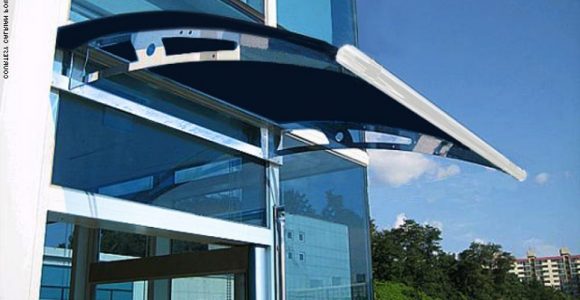


Awning definition, What is an awning? An awning is a cover made from canvas to sanctuary individuals or things from rain or sunlight, usually one will certainly use words awning about a roof-l...



Frontgate outdoor rugs. These days embellishing does not have to be regarding custom-made, it could be regarding where to discover it currently and also exactly how to make it function for you. T...




Retractable awning prices is influenced in various other means, too. On-line assemblers bill delivery costs, however this is more than balanced out by the reality they don't charge sales tax (bes...




bed bath and beyond outdoor rugs (additionally called location rugs) not just include to the appearance of a space, yet likewise develop a setting including form, shade, and structure. Residence ...