Nuloom Outdoor Rugs




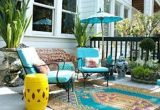
Nuloom Outdoor Rugs with pictures released for to offer the concepts to influence enhancing your home. This post of Nuloom Outdoor Rugs have of our collection pictures as well as gallery for embe...
Nuloom Outdoor Rugs with pictures released for to offer the concepts to influence enhancing your home. This post of Nuloom Outdoor Rugs have of our collection pictures as well as gallery for embe...
Outdoor lighting can make a garden, patio, porch, or driveway feel safer and more welcoming without requiring a major renovation. A few carefully positioned fixtures can illuminate steps, define a walkway, highlight planting, and discourage unwanted activity after dark.
The most successful low-cost lighting schemes balance practical visibility with a warm residential character. Bright floodlights have their place, but soft pathway lights, wall lanterns, and discreet solar fixtures often create a more comfortable setting for evening meals and outdoor gatherings.
A considered plan also prevents wasted spending. Instead of filling every corner with lights, focus on movement routes, changes in level, entrances, and the architectural or landscape features that deserve attention. For broader home and garden design inspiration, French Creative offers a useful perspective on making outdoor spaces more functional and attractive.
Security lighting should begin with the areas where people walk, enter, park, or handle keys. Illuminate the front door, side gate, garage access, steps, ramps, and the path between the house and seating areas. These locations benefit from even, moderate light rather than harsh beams that create deep shadows around the edges.
Pathway fixtures should be spaced so that their pools of light overlap slightly. This makes the route easy to follow and reduces trip hazards around paving, gravel, tree roots, or changes in elevation. Low bollards and shielded stake lights work well beside patios and garden paths because they guide movement without shining directly into eye level.
Motion sensors are particularly valuable around entrances and less frequently used side passages. They activate lighting only when movement is detected, helping reduce electricity use while drawing attention to activity near doors and gates. Position sensors away from busy roads or swaying branches to prevent unnecessary activation.
A layered plan combines three types of outdoor illumination. Ambient light provides general visibility, task lighting helps with specific activities, and accent lighting adds atmosphere or draws attention to decorative features. Using all three in moderation produces a more polished result than relying on one powerful fixture.
For ambient light, consider a wall lantern near the entrance, a ceiling fixture under a porch, or low-level lights along a terrace edge. Task lighting can be placed near an outdoor kitchen, barbecue, dining table, storage area, or workshop entrance. Accent lighting may be directed toward a mature tree, textured wall, water feature, raised planter, or attractive paving pattern.
Contrast is useful, but extreme contrast is uncomfortable and can reduce visibility. A bright fitting beside a completely dark lawn may leave the surrounding area difficult to read. Low-output lights distributed across several points usually give better results than a single high-output lamp mounted above the property.
Solar lights remain one of the easiest ways to add illumination without hiring an electrician or extending household wiring. They are well suited to paths, borders, planting beds, and temporary patio arrangements. Look for models with replaceable batteries, separate solar panels where possible, and weather-resistant housings. Place panels where they receive several hours of direct sunlight rather than under dense tree cover.
Plug-in lighting is practical for patios and balconies with an accessible outdoor socket. String lights, rechargeable lanterns, and portable table lamps can create a relaxed mood while allowing the layout to change. Always use products rated for outdoor conditions, and protect connections from standing water. Indoor extension leads and ordinary household lamps should not be used outside.
Hardwired LED fixtures cost more at the beginning but tend to provide reliable long-term performance. LEDs consume less energy, produce little heat, and are available in many colour temperatures. Warm white light, generally around 2200K to 3000K, suits residential gardens and seating spaces. Cooler light can be useful for utility areas, although excessive blue-white illumination may appear stark.
Prices vary according to power source, weather protection, brightness, controls, and installation requirements. A budget scheme can combine several fixture types instead of using one product throughout the property. For instance, solar stake lights may cover a path, while a mains-powered sensor light protects the entrance.
| Lighting Option | Best Use | Typical Cost | Main Benefit | Limitation |
|---|---|---|---|---|
| Solar stake lights | Paths and borders | Low | Easy installation | Performance depends on sunlight |
| Rechargeable lanterns | Tables and seating areas | Low to medium | Portable and flexible | Require regular charging |
| LED string lights | Patios and pergolas | Low to medium | Creates a warm atmosphere | Usually offers limited security |
| Sensor wall lights | Doors and side access | Medium | Activates when needed | Requires careful sensor placement |
| Low-voltage path lights | Walkways and steps | Medium | Consistent illumination | May need a transformer and wiring |
| LED floodlights | Driveways and larger zones | Medium | Broad, powerful coverage | Can cause glare if poorly aimed |
Buy fewer, better-placed fixtures when funds are limited. A weatherproof fitting with a stable base and replaceable light source is usually more useful than a large pack of fragile decorative lamps. Check lumen output rather than judging brightness solely by wattage, since LED efficiency differs substantially between products.
Atmospheric lighting should make outdoor areas feel comfortable rather than resemble a commercial car park. Use warm-toned bulbs, frosted covers, and downward-facing fixtures around seating zones. Lanterns at different heights can provide visual rhythm, while concealed strip lighting under benches, steps, or a retaining wall adds a subtle glow.
String lights are effective above a dining area, beneath a gazebo, or along a pergola. Keep them taut and secure, leaving enough clearance for people to move safely underneath. Instead of covering every surface, frame one feature such as a roofline, seating area, or boundary fence. This creates a focal point and keeps the design visually calm.
Uplighting can make trees and planting beds attractive after dark, but it should be aimed carefully. Avoid shining light into neighbouring windows or directly toward the street. Shielded fittings and adjustable heads allow the beam to remain on the intended feature. Dark-sky-friendly fixtures are a sensible choice because they direct light downward and reduce unnecessary spill.
Lighting is most effective as part of a wider security arrangement. Trim shrubs that could conceal a person near doors or windows, keep gates visible, and avoid placing tall planters directly beside access points. A sensor light works better when it covers a clear approach rather than being blocked by foliage or a decorative screen.
Use separate controls for different zones. The front entrance may need a motion-activated light, while the patio can be controlled by a timer or indoor switch. Smart plugs and outdoor-rated timers can automate low-voltage or plug-in products, but their enclosures must be protected from rain and condensation.
Avoid aiming floodlights into bedrooms, neighbouring properties, or public paths. Glare can make it harder to see faces and movement, defeating the purpose of security illumination. Mount lights at a height that provides coverage without making maintenance difficult, and test the detection range after installation during both daylight and darkness.
Before fixing anything to a wall, inspect the surface and confirm that the chosen screws, plugs, and brackets are suitable for brick, render, timber, or cladding. Cables should be routed neatly and protected from lawn equipment, pets, sharp paving edges, and water pooling. Permanent outdoor electrical work should be completed by a qualified professional in accordance with local regulations.
Solar panels and light covers need occasional cleaning because dust, pollen, and bird residue reduce performance. Check batteries before winter, especially in areas with short daylight hours. Replace cracked housings, frayed cables, loose fittings, and corroded connectors rather than continuing to use them.
A seasonal review can reveal changes that affect the lighting plan. New planting may shade solar panels, furniture may block a sensor, and outdoor rugs or patio changes may alter walking routes. Repositioning a few fixtures can restore coverage without buying an entirely new system.
A phased approach makes it possible to improve safety first and atmosphere later. Begin with the entrance, steps, driveway, and principal walkway. Once those areas are clear and comfortable to use, add lighting around the patio, planting, fencing, or outdoor dining zone.
Keep colour temperature and fixture finishes reasonably consistent. Mixing every style can make a small garden appear disjointed, while a simple combination of black, bronze, stainless steel, or neutral finishes usually complements paving and furniture. Test samples at night before permanently installing them.
A modest outdoor lighting scheme can deliver substantial value when each fixture has a clear purpose. Safety lighting should guide and deter, while decorative illumination should support the way the space is used. With efficient LEDs, timers, solar products, and careful positioning, even a limited budget can transform a dark garden into a secure and inviting extension of the home.
Begin by sketching the property and marking entrances, steps, paths, seating areas, and features worth highlighting. Measure the distances, identify available power sources, and choose one zone to complete first. A thoughtful plan, installed safely and adjusted over time, will create outdoor lighting that performs well every evening while keeping costs under control.

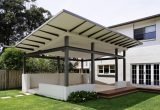
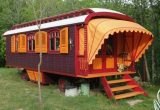
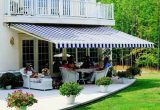
Awning definition, What is an awning? An awning is a cover made from canvas to sanctuary individuals or things from rain or sunlight, usually one will certainly use words awning about a roof-l...



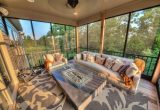

Frontgate outdoor rugs. These days embellishing does not have to be regarding custom-made, it could be regarding where to discover it currently and also exactly how to make it function for you. T...


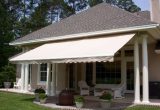


Retractable awning prices is influenced in various other means, too. On-line assemblers bill delivery costs, however this is more than balanced out by the reality they don't charge sales tax (bes...

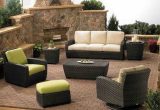

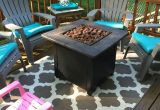
bed bath and beyond outdoor rugs (additionally called location rugs) not just include to the appearance of a space, yet likewise develop a setting including form, shade, and structure. Residence ...