Nuloom Outdoor Rugs
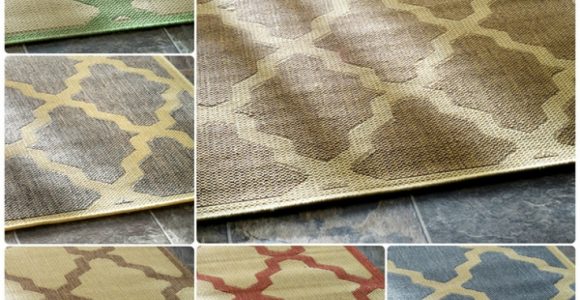



Nuloom Outdoor Rugs with pictures released for to offer the concepts to influence enhancing your home. This post of Nuloom Outdoor Rugs have of our collection pictures as well as gallery for embe...
Nuloom Outdoor Rugs with pictures released for to offer the concepts to influence enhancing your home. This post of Nuloom Outdoor Rugs have of our collection pictures as well as gallery for embe...
A gazebo can do much more than provide shade at the edge of a patio. With carefully planned benches, concealed compartments, and durable finishes, it becomes a complete outdoor living room for dining, relaxing, entertaining, and storing everyday garden items. The most successful designs make these features feel like part of the architecture rather than additions attached afterward.
Built-in seating is especially useful in compact gardens because it defines the layout without taking up the floor area required by loose chairs. Storage can be integrated beneath seats, behind backrests, or into surrounding screens, helping keep cushions, games, lanterns, and gardening tools close at hand while maintaining a tidy appearance.
The right combination of proportions, materials, and lighting will determine whether the structure feels contemporary, rustic, or quietly traditional. Before choosing decorative details, consider how the gazebo will be used throughout the year and how it will connect with the patio, planting beds, and wider landscape.
A square or rectangular gazebo is often the easiest shape for built-in furniture because straight walls create practical runs of seating. A bench along two adjacent sides can form an L-shaped conversation area, while a central table leaves enough room for movement. If the structure is mainly intended for dining, a U-shaped arrangement can accommodate more guests without crowding the entrance.
For a more relaxed setting, place a deep bench along the rear wall and use movable stools or low tables at the front. This arrangement creates flexibility for reading, afternoon coffee, or informal gatherings. A corner daybed can also turn the gazebo into an outdoor retreat, especially when paired with weather-resistant cushions and a privacy screen.
The entrance should remain clear, with at least one comfortable route between the seating and the garden. Avoid filling every wall with cabinetry or benches. A modern gazebo looks more spacious when solid storage sections are balanced with open areas, slatted panels, or views of surrounding greenery.
The most efficient built-in bench usually has a sturdy timber, masonry, or composite frame with a hinged or lift-up seat. This creates hidden storage without increasing the footprint. Use gas struts or recessed handles to make the lid easy to open, and include internal dividers so smaller items do not become buried beneath large cushions.
A backless bench can look sleek beneath a window or along a low wall, while a backrest improves comfort for longer meals and conversations. Slightly angled backs are more supportive than perfectly vertical ones. Seat heights of around 450 millimetres are generally comfortable for adults, although a deeper lounge bench may be lower and paired with thick cushions.
Built-in seating does not have to be continuous. A narrow bench beside the entrance can provide a place to remove shoes, while a larger cushioned seat at the rear becomes the main relaxation zone. Combining fixed and movable furniture allows the gazebo to adapt when hosting a meal, children’s activity, or evening drinks.
Choose upholstery made for outdoor use, with quick-drying foam and removable covers. Store cushions in a ventilated compartment rather than a completely sealed box, since trapped moisture can lead to mildew. Small drainage gaps at the bottom of storage units are useful where rain may enter during windy weather.
Storage beneath benches is the most discreet solution, but it is not the only option. A full-height cabinet at one end of the gazebo can hold serving pieces, blankets, board games, and outdoor lighting. Choose doors with vertical slats or simple recessed fronts to keep the joinery visually light.
Open shelving works well for attractive objects such as terracotta pots, lanterns, cookbooks, or woven baskets. It should be used selectively, since exposed shelves can become cluttered and will need regular dusting. A combination of closed cupboards below and open shelves above offers both concealment and display space.
For narrow gazebos, use the wall height rather than the floor. Overhead cupboards, peg rails, and shallow shelving can store small accessories without reducing legroom. However, avoid placing heavy objects above seating areas unless the fixings and structure have been professionally checked.
Storage should also reflect the gazebo’s main function. A dining pavilion might include a compact drinks cabinet and a drawer for cutlery, while a family seating area benefits from broad compartments for blankets and toys. Labelled baskets make seasonal items easier to find and prevent the interior from becoming disorganised.
Timber remains a popular choice for a garden pavilion because it brings warmth and can be stained, painted, or left to weather naturally. Cedar, larch, and pressure-treated softwood are common options, while hardwood creates a richer finish at a higher cost. Use exterior-grade screws, sealants, and adhesives throughout the seating and storage system.
Composite boards offer a lower-maintenance alternative for bench fronts and deck surfaces. They resist rot and are available in modern shades such as charcoal, warm grey, and muted brown. Powder-coated aluminium can be used for cabinet frames, screens, or furniture details, giving the structure a crisp contemporary character.
The floor needs to support both the gazebo and its built-in fittings. A stable base reduces movement, protects doors from sticking, and helps prevent water pooling around the structure. Compare gazebo foundation options before construction, particularly if the site has soft ground, drainage concerns, or a noticeable slope.
| Material | Visual Character | Maintenance Needs | Best Use |
|---|---|---|---|
| Treated timber | Warm and natural | Regular sealing or painting | Benches, frames, traditional gazebos |
| Composite | Clean and contemporary | Occasional washing | Decking, seat fronts, low-maintenance projects |
| Powder-coated aluminium | Sleek and lightweight | Minimal care | Cabinet details, screens, modern structures |
| Brick or rendered masonry | Solid and architectural | Low to moderate | Permanent benches and storage walls |
| Outdoor fabric | Soft and comfortable | Washing and seasonal storage | Cushions, curtains, and shade panels |
Use a consistent palette across the gazebo, paving, fence, and nearby planting. Two or three main materials are usually enough. For instance, dark-stained timber with pale cushions and grey paving creates a restrained modern scheme, while natural cedar with cream textiles and terracotta accessories feels softer and more relaxed.
A gazebo with built-in furniture becomes more comfortable when it offers protection from strong sun, wind, and neighbouring views. Slatted timber screens provide privacy while allowing air to circulate. Their spacing can be adjusted according to the direction of the prevailing sun and the sightlines from nearby properties.
Retractable fabric canopies are useful when flexibility matters. They allow sunlight into the structure during cooler periods and create shade during the hottest part of the day. Outdoor curtains add a softer look and can be drawn across one or two sides when extra privacy is needed.
Climbing plants can soften the frame, but select varieties carefully. Vigorous climbers may place excessive weight on the roof or make maintenance difficult around storage doors. Fragrant but manageable plants, such as jasmine, honeysuckle, or climbing roses, can add seasonal interest when supported by a properly designed trellis.
Consider the position of the gazebo in relation to the house. A structure close to the kitchen may work as an outdoor dining room, while one set farther into the garden can feel like a secluded retreat. A clear paved path, low planting, and subtle lighting will make the route usable after dark.
Layered lighting gives built-in seating a practical purpose after sunset. Recessed LED strips beneath bench lids or cabinet shelves provide a gentle glow without taking up surface space. Wall lights or pendant fittings can illuminate the central area, while low-level path lights guide people safely toward the gazebo.
Avoid placing bright lights directly at eye level. Warm-toned illumination is generally more relaxing outdoors and complements timber, brick, and natural stone. Use separate controls for task lighting and ambient lighting so the gazebo can shift from a dining setting to a quiet evening lounge.
A small outdoor heater can make the space useful during cooler months, but it needs sufficient clearance from timber, fabric, and storage contents. Electric infrared heaters are often easier to position than open-flame appliances. Any fixed electrical installation should be designed for outdoor conditions and completed by a qualified professional.
Accessories should reinforce the intended use rather than overwhelm the seating. A compact weatherproof rug can define the lounge area, while ceramic planters, woven baskets, and a folding side table add personality. Keep a clear surface for drinks and serving dishes, and avoid filling storage compartments with items that are rarely used.
The gazebo will feel more integrated when its colours and materials appear elsewhere in the garden. Repeat the bench finish in a nearby fence or planter, echo the paving tone along the pathway, or use matching metalwork for gates and light fittings. These small connections make the structure appear deliberately designed for the property.
Planting around the gazebo can provide shade, fragrance, and seasonal colour. Evergreen shrubs create year-round structure, while ornamental grasses soften hard edges and move attractively in the breeze. Keep plants far enough from storage doors and roof drainage points to prevent constant pruning and blocked gutters.
For a small garden, use a restrained footprint with a visually open design. Slatted walls, glass panels, pale finishes, and raised planters can make the pavilion seem larger. In a spacious garden, a more substantial structure may include a masonry bench, outdoor kitchen storage, or a sheltered dining zone.
Before ordering materials, draw the gazebo to scale and mark the position of doors, seating, storage lids, lights, and furniture. Test the circulation space with tape on the patio if possible. This simple step can reveal whether the benches are too deep, the table is too large, or the entrance has become inconveniently narrow.
A well-designed gazebo should feel effortless to use: seating is ready when guests arrive, cushions remain protected, and essential items are within easy reach. Built-in features are most successful when they preserve openness while adding comfort, order, and a clear connection to the surrounding garden.
Begin with the structure’s purpose, then develop the seating, storage, materials, and lighting as one coordinated design. With careful measurements and durable outdoor finishes, a contemporary garden gazebo can become a dependable extension of the home across sunny afternoons, family meals, and relaxed evenings outside.

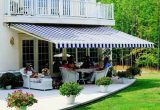
Awning definition, What is an awning? An awning is a cover made from canvas to sanctuary individuals or things from rain or sunlight, usually one will certainly use words awning about a roof-l...
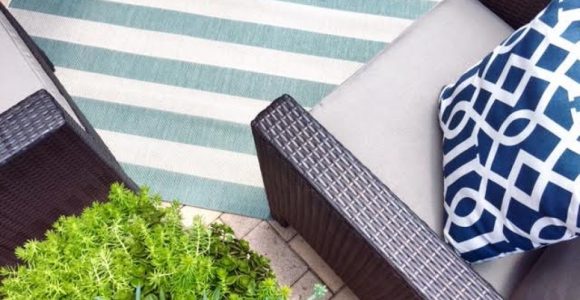



Frontgate outdoor rugs. These days embellishing does not have to be regarding custom-made, it could be regarding where to discover it currently and also exactly how to make it function for you. T...


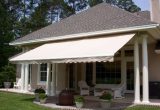


Retractable awning prices is influenced in various other means, too. On-line assemblers bill delivery costs, however this is more than balanced out by the reality they don't charge sales tax (bes...

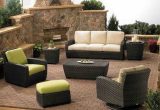

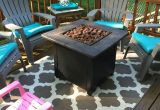
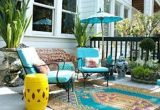
bed bath and beyond outdoor rugs (additionally called location rugs) not just include to the appearance of a space, yet likewise develop a setting including form, shade, and structure. Residence ...