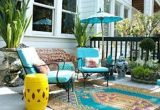
Nuloom Outdoor Rugs
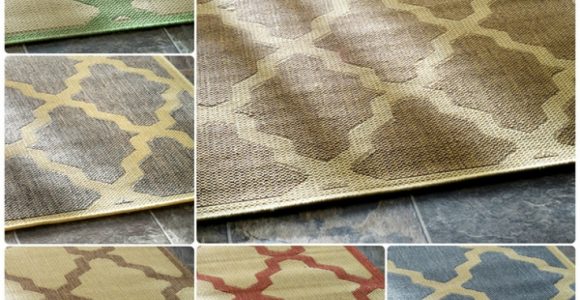



Nuloom Outdoor Rugs with pictures released for to offer the concepts to influence enhancing your home. This post of Nuloom Outdoor Rugs have of our collection pictures as well as gallery for embe...
Nuloom Outdoor Rugs with pictures released for to offer the concepts to influence enhancing your home. This post of Nuloom Outdoor Rugs have of our collection pictures as well as gallery for embe...
A well-designed fence does more than mark a property line. It frames a garden, improves privacy, protects outdoor furniture from wind, and gives a patio or deck a finished appearance. The material you choose also affects maintenance, security, installation time, and the long-term character of your home.
Composite, PVC, and metal fencing are among the most practical choices for contemporary properties. Each option offers a different balance of durability, appearance, cost, and care. Understanding those differences makes it easier to select a boundary that suits both your architecture and your daily routine.
The ideal fence should work with the wider landscape. Consider paving colours, planting style, exterior walls, gates, and outdoor seating before choosing a finish. A coordinated scheme feels intentional, while a fence selected in isolation can look disconnected from the rest of the garden.
Composite fence panels are made from a blend of recycled wood fibres and plastic. They are designed to resemble painted or stained timber while resisting many of the problems associated with natural wood, including rot, splintering, and frequent repainting. Their solid construction makes them especially useful where privacy is a priority.
The finish is usually consistent, with colours ranging from charcoal and dark brown to warm oak and pale grey. This makes composite fencing easy to coordinate with decking, pergolas, outdoor rugs, and garden furniture. Horizontal boards create a broad, modern appearance, while vertical panels can make a narrow garden feel taller.
Composite is a strong choice for homeowners who want a substantial boundary with limited upkeep. It still benefits from occasional washing to remove soil, algae, and pollen. Before cleaning a nearby deck or patio, review this power washing guide so the pressure and cleaning method do not damage surrounding surfaces.
PVC, sometimes called vinyl fencing, is valued for its clean appearance and resistance to moisture. It does not rust, absorb water, or require staining, making it suitable for properties exposed to heavy rain or humid conditions. A quick wash with mild soapy water is generally enough to refresh the surface.
White PVC picket fencing remains popular for traditional gardens, while solid panels and slatted profiles provide a more contemporary look. Some products include textured finishes or wood-effect colours, although the realism varies between manufacturers. Inspect samples in daylight before ordering, since colour and surface texture can appear different online.
Lightweight construction can make PVC easier to handle during installation than heavier composite or steel products. However, quality varies considerably. Thin panels may flex in strong wind, and very pale finishes can show marks more readily. Look for reinforced posts, reliable brackets, and a suitable anchoring system, particularly for exposed gardens.
Metal fencing brings a sharper architectural quality to an outdoor space. Aluminium is lightweight, naturally resistant to corrosion, and available in powder-coated colours such as black, bronze, white, and muted green. Steel is heavier and highly robust, though it needs a dependable protective coating to prevent rust.
Slatted metal screens offer privacy without making a garden feel enclosed. The gaps allow sunlight and air to pass through while creating a clear visual boundary. Vertical bars, meanwhile, suit front gardens and contemporary homes where security and visibility are important. Decorative laser-cut panels can become a strong focal point around a patio or entrance.
Metal fencing often has a longer visual lifespan than cheaper alternatives because its simple lines remain current. It also works well with rendered walls, concrete paving, gravel, and architectural planting. For coastal homes, specify marine-grade finishes or corrosion-resistant aluminium, since salt exposure can shorten the life of ordinary coatings.
| Material | Main advantages | Points to consider | Best suited to |
|---|---|---|---|
| Composite | Warm appearance, strong privacy, low risk of rot | Heavier panels and higher upfront cost | Rear gardens, modern patios, private boundaries |
| PVC | Moisture resistance, easy cleaning, broad range of styles | Quality varies; some products look less natural | Low-maintenance homes, traditional and suburban gardens |
| Aluminium | Lightweight, rust-resistant, clean contemporary lines | Can cost more than basic PVC; limited sound blocking | Modern homes, slatted screens, coastal settings |
| Steel | Excellent strength and security | Requires quality anti-corrosion treatment | Gates, secure boundaries, exposed or high-traffic areas |
Start by identifying the role the fence needs to perform. A rear garden may need privacy from neighbouring windows, while a front boundary could focus on kerb appeal and visibility. If the main goal is to screen a seating area, a tall composite panel or slatted metal screen may be more appropriate than a fully enclosed perimeter.
The proportions of the garden matter as well. Solid, dark fencing can make a small space feel enclosed, although it may also create a dramatic backdrop for pale paving and bright planting. In compact gardens, lighter PVC, open metal rails, or partially spaced screens can preserve a sense of depth.
Think about how the boundary connects with gates, walls, and outdoor structures. Matching the fence and gate finish creates a polished appearance, while a contrasting gate can add definition. Posts and gravel boards should be included in the design from the beginning rather than treated as minor details after the panels have been chosen.
A tall fence can make a patio more comfortable by reducing unwanted views and helping to shelter seating from breezes. However, completely solid panels may catch strong wind. In exposed locations, semi-open slats or carefully spaced boards can provide privacy while allowing air to move through the boundary.
Security depends on more than height. Strong posts, secure fixings, dependable gates, and suitable locks all contribute to a safer property. Metal fencing is often preferred for visible security around front gardens, while composite and PVC are useful where privacy is the primary concern. Avoid creating easy footholds if the fence borders a vulnerable side passage.
The area beside the fence should remain practical to maintain. Leave enough room to access posts, trim planting, and clean the lower sections. If the fence borders an outdoor dining area, plan storage for cushions and accessories so they do not remain exposed to damp weather. These cushion storage ideas can help keep seating textiles dry and extend their useful life.
Good installation is essential for any fencing material. Posts must be positioned at an appropriate depth and set securely in the ground, especially where panels are tall or the soil is loose. Uneven ground may require stepped panels, adjusted posts, or a low retaining structure before the main fence is installed.
Check local planning rules before work begins. Height limits, shared boundaries, listed buildings, and properties near public paths may all be subject to specific requirements. It is also wise to speak with neighbours when the fence sits directly on a boundary, since access and ownership responsibilities can affect the project.
Composite and PVC normally need occasional washing with a soft brush and gentle detergent. Metal should be inspected for chips, loose fixings, and early signs of corrosion. Avoid abrasive tools that can scratch protective coatings. Keeping climbing plants controlled is equally important, because dense growth can hold moisture against panels and posts.
Fence colour has a significant effect on the atmosphere of a garden. Charcoal and black create contrast behind ornamental grasses and pale flowers, while soft grey can blend quietly with contemporary paving. Natural brown composite complements timber decking, brickwork, and warm-toned stone.
Lighting can enhance the boundary after dark. Low-level post lights improve visibility along paths, while discreet wall or uplighting can highlight textured panels and planting. Choose outdoor-rated fittings and position cables safely so the installation remains tidy and accessible.
A modern fence should support the way you use the garden rather than dominate it. Combine solid areas with open sections where appropriate, soften hard edges with planting, and leave enough room for furniture, storage, and circulation. With the right material and careful detailing, the boundary can become an integrated part of the home’s design.
Take time to compare samples, installation methods, maintenance needs, and local conditions before committing to a style. Whether you choose composite warmth, PVC practicality, or the precise strength of metal, a thoughtfully planned fence can improve privacy, comfort, and curb appeal for years. Begin with the boundary’s main purpose, then build the rest of the outdoor scheme around a finish that feels durable and at home.



Awning definition, What is an awning? An awning is a cover made from canvas to sanctuary individuals or things from rain or sunlight, usually one will certainly use words awning about a roof-l...



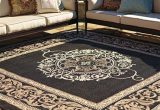
Frontgate outdoor rugs. These days embellishing does not have to be regarding custom-made, it could be regarding where to discover it currently and also exactly how to make it function for you. T...

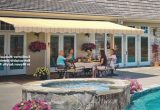
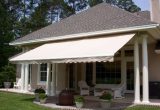


Retractable awning prices is influenced in various other means, too. On-line assemblers bill delivery costs, however this is more than balanced out by the reality they don't charge sales tax (bes...

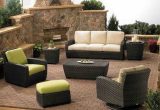


bed bath and beyond outdoor rugs (additionally called location rugs) not just include to the appearance of a space, yet likewise develop a setting including form, shade, and structure. Residence ...