Nuloom Outdoor Rugs
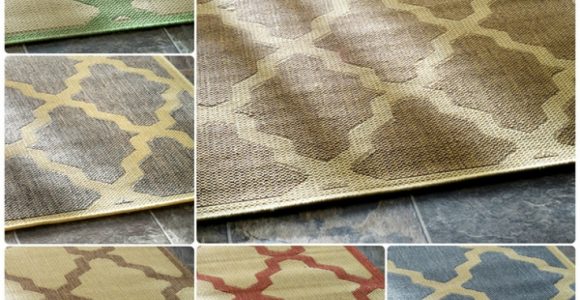



Nuloom Outdoor Rugs with pictures released for to offer the concepts to influence enhancing your home. This post of Nuloom Outdoor Rugs have of our collection pictures as well as gallery for embe...
Nuloom Outdoor Rugs with pictures released for to offer the concepts to influence enhancing your home. This post of Nuloom Outdoor Rugs have of our collection pictures as well as gallery for embe...
Mixing pavers and gravel for a low-maintenance patio gives an outdoor space the visual order of laid stone with the drainage and forgiving character of loose aggregate. It works particularly well when pavers form a terrace or walkway and gravel occupies the spaces around them. This arrangement also avoids asking one material to handle every part of the outdoor room.
The combination is not automatically labour free. Gravel moves underfoot, collects leaves and can expose weeds, while pavers may settle if their base is poorly compacted. A durable result comes from compatible materials, secure edges, effective drainage and a layout suited to how the household uses the patio.
For Australian homes, these details matter because patios often connect directly with kitchens, barbecue areas and gardens. They must cope with summer heat, occasional intense rain and everyday family activity. The design should also respect local council requirements and the climate of the particular suburb.
The most successful layouts establish two clear zones. Large-format pavers create a firm place for dining, chairs or a barbecue, while a gravel band softens the edges and accommodates shrubs. Another effective arrangement uses a paved path through a gravel courtyard, giving the garden a more natural appearance without making the entire surface difficult to maintain.
Visually, the two materials complement each other because they offer contrasting textures. Regular joints and consistent paver colours provide structure, while the varied tones of aggregate add warmth and blend with planting. Gravel also allows water to filter through the joints, although the underlying base still needs to remain permeable and free-draining.
For the lowest ongoing effort, keep the gravel in a defined area rather than trying to fill every paver joint with loose stone. Joint filling has a place, but it requires the correct joint depth, edge restraint and base specification. A separate gravel zone is easier to rake, top up and clean. Understanding the difference prevents a simple visual concept from becoming a recurring maintenance problem.
Local supply is straightforward: Bunnings and Mitre 10 commonly stock boxed concrete pavers, while independent landscape yards sell decorative aggregate by bag or bulk. Check product sheets, warranty terms and slip information rather than judging colour on a screen. French Creative also carries general news pages, such as lottery bonus numbers, but material decisions should still come from technical data and physical samples.
Paver choices
Concrete pavers offer an extensive range of affordable colours and patterns, making them a popular choice for practical Australian courtyards. A textured finish provides better grip on wet surfaces.
Clay bricks bring warmth and character to a patio, particularly when laid in a traditional running bond. Their varied tones suit informal gardens and complement timber furniture.
Natural stone delivers a distinctive surface with less repetition. Stone selection should account for porosity, traction, sealing requirements and the amount of variation in the slabs.
Porcelain pavers resist stains and retain their colour well, making them suitable around barbecue areas. Their dense surface needs an exceptionally stable base to avoid chipping or movement.
Aggregate should be selected according to appearance, drainage and how much foot traffic the area receives. Material that looks attractive in a showroom can behave differently when chairs are dragged across it or rain compacts it into the soil.
Aggregate choices
Washed gravel in a manageable size creates clean joints and drains readily. Angular crushed stone locks together and resists movement better than rounded pebbles.
Small rounded pebbles provide a softer appearance underfoot, but they can migrate when disturbed. They work best in sheltered, low-traffic areas.
Decomposed granite creates a uniform, compacted surface that can feel comfortable in dry conditions. It can turn muddy beneath dining areas or garden taps when poorly drained.
River rock creates a relaxed garden appearance and handles occasional runoff well. Its rounded surface is less suitable where wheelchairs, movable furniture or frequent walking are expected.
Choose one dominant paver finish and repeat it throughout the paved area to avoid a busy, disconnected result. The gravel should support that palette rather than compete with it. Take both materials outside at different times of day, as wet colour, sunlight and loose dust can change the appearance considerably.
Neither pavers nor decorative gravel should be placed directly over loose soil. The sub-base carries the load, limits rutting and prevents the surface from washing away. A geotextile membrane can separate the base from the soil, reducing mud migration and discouraging weeds. The base material should be compacted in manageable layers with a plate compactor, following the supplier’s specified depth for pedestrian areas.
Edge restraints determine whether the design remains neat. Paver edging holds the units in position and transfers movement into the surrounding base, while a defined gravel edge prevents aggregate from spreading into garden beds. In areas with reactive clay, an installation system designed to accommodate soil movement is preferable to rigidly pinning a thin border into the ground.
Drainage should be planned before the first paver is laid. The finished surface needs a consistent fall away from the house, and water should not be trapped behind the patio where it can undermine the base. Check the levels at several points rather than relying on the sightline from one corner. A slight slope can remain nearly invisible while directing runoff toward a soakage area or approved stormwater outlet.
Work through the installation in a logical sequence: mark services and drainage, excavate, lay membrane, compact the base, install restraints, lay pavers and add aggregate. Record levels and photograph concealed work before it is covered. Diagnosing one variable at a time, much like checking garage door reversing faults, prevents a small problem from becoming a complete rebuild.
Australian cities present different outdoor conditions. Sydney’s intense rainfall tests runoff capacity, while Melbourne’s cool, wet winters can expose poor drainage and unstable edges. Brisbane’s humidity and storm downpours make grip and permeable construction especially important. Perth’s dry heat and wind require surfaces that remain stable, dust-conscious and comfortable during long summers.
A ground-level patio formed from paving and gravel will not usually require the same building approval as an enclosed structure. Pergolas, roofed areas, raised decks and work affecting doors or windows may change that position. Councils also regulate matters such as setbacks, heritage areas, tree protection, boundary drainage and the percentage of impervious ground within a property. The local planning scheme and building regulations should be checked before excavation begins.
Accessibility standards deserve attention when the patio forms the main route into the home. Loose gravel is not a suitable substitute for a firm, step-free path under the access provisions referenced by the National Construction Code and AS 1428.1. A paved route from the door to the outdoor living area will also be easier for wheelchairs, walkers, prams and delivery trolleys.
Everyday habits influence the specification as much as the appearance. Australian households commonly move food, drinks and toys between an indoor kitchen and an outdoor barbecue area, then hose down the surface. Provide a convenient water point, keep bins away from the gravel and select an aggregate size that will not scatter under dining furniture. Washing water should flow toward a suitable drain rather than across adjoining paving.
A mixed patio needs less attention when its maintenance requirements are considered from the beginning. Sweep pavers regularly, remove leaves before they compact and use a leaf blower on a low setting around the edges. Pull weeds while they are small rather than waiting for them to seed through the gravel. A permeable membrane will help, but it cannot prevent every weed from establishing around an exposed edge.
After heavy rain, inspect the patio for pooling, erosion and movement. Rake loose aggregate back into shallow depressions and add a small quantity of matching material where it has settled. Pavers can be cleaned with a neutral detergent and a soft brush. Strong acids, chlorine and aggressive pressure washing may etch concrete, dull natural stone or disturb jointing material.
Keep plants compatible with the hard landscape. Choose drip irrigation rather than sprinklers that repeatedly wet pavers and wash gravel into joints. Select low-spreading species for planted borders, and position them so their roots and leaf fall do not undermine the patio edge. Furniture feet should have protective pads, particularly on textured stone or uneven brickwork.
Design continuity makes the remaining maintenance feel less obvious. Repeat the same paver tone at the threshold, in the barbecue zone and along connecting paths, then use one restrained aggregate colour throughout the open areas. Further landscaping and indoor-outdoor examples are available through French Creative inspiration, which can help connect the patio with the wider home rather than treating it as an isolated project.
Measure the finished area, mark the position of doors, furniture, hoses and planting, and collect paver and aggregate samples before ordering. A small outdoor mock-up will reveal how the textures work together and whether the gravel feels comfortable beneath a chair.
Choose the layout, settle the drainage details and prepare the base before buying large quantities. That sequence creates a practical, attractive patio designed to remain usable and presentable through the Australian seasons.

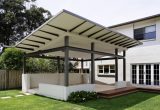


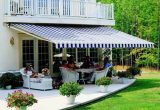
Awning definition, What is an awning? An awning is a cover made from canvas to sanctuary individuals or things from rain or sunlight, usually one will certainly use words awning about a roof-l...





Frontgate outdoor rugs. These days embellishing does not have to be regarding custom-made, it could be regarding where to discover it currently and also exactly how to make it function for you. T...


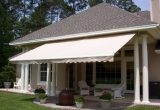


Retractable awning prices is influenced in various other means, too. On-line assemblers bill delivery costs, however this is more than balanced out by the reality they don't charge sales tax (bes...





bed bath and beyond outdoor rugs (additionally called location rugs) not just include to the appearance of a space, yet likewise develop a setting including form, shade, and structure. Residence ...