Nuloom Outdoor Rugs
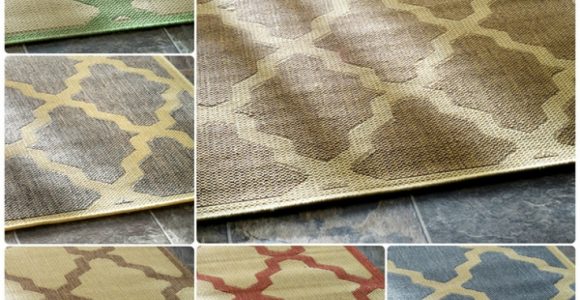



Nuloom Outdoor Rugs with pictures released for to offer the concepts to influence enhancing your home. This post of Nuloom Outdoor Rugs have of our collection pictures as well as gallery for embe...
Nuloom Outdoor Rugs with pictures released for to offer the concepts to influence enhancing your home. This post of Nuloom Outdoor Rugs have of our collection pictures as well as gallery for embe...
A patio can feel lush and welcoming without demanding a large amount of water. Succulents offer a practical way to create texture, color, and structure in outdoor areas where hot surfaces, limited rainfall, or watering restrictions make traditional planting difficult. Their fleshy leaves store moisture, allowing many varieties to remain attractive through long dry periods.
Landscaping with succulents works especially well around patios because these plants suit gravel, paving, raised beds, containers, and narrow planting strips. Their architectural shapes complement modern furniture, timber features, and natural stone, while their low-growing forms can soften hard edges without creating an untidy appearance.
A successful design still depends on thoughtful planning. Drainage, sunlight, winter temperatures, foot traffic, and the amount of maintenance you are willing to provide will influence which plants thrive. With the right combination of species and materials, a patio can become a comfortable outdoor room with year-round visual interest.
Begin by observing how sunlight moves across the space during the day. Many succulents prefer at least six hours of direct light, although intense afternoon sun can scorch certain varieties, particularly those grown in containers that heat up quickly. A partly shaded patio may suit haworthia, gasteria, and some sedums better than sun-loving agaves or echeverias.
Drainage is equally important. Succulents generally struggle in compacted soil or areas where water collects after rain. If an existing border is poorly drained, raise the planting bed slightly and mix in horticultural grit, pumice, or coarse sand. Avoid placing plants directly beside downpipes or at the lowest point of a sloping patio unless you are designing a deliberate rain garden with suitable moisture-tolerant species.
Consider the relationship between plants and daily use. Spiny agaves and large aloe varieties should be kept away from paths, seating, and children’s play areas. Low, soft-leaved succulents can edge a walkway, while taller specimens can define a corner or screen an unattractive wall without blocking movement.
A varied planting scheme looks more established than a collection of identical plants. Combine upright, rosette-forming, trailing, and ground-covering succulents to create rhythm. A tall yucca or aloe can act as a focal point, while echeveria provides compact rosettes and sedum fills gaps between larger plants.
Color also changes with growing conditions. Some sedums remain green in cooler weather but develop red tones in strong sunlight. Echeverias may show blue, silver, pink, or purple shades, while aeoniums offer dark foliage that creates contrast against pale gravel. Treat color as a supporting feature rather than relying on flowers alone, since many succulents bloom for only part of the year.
The following choices are useful for residential patios, though hardiness varies by climate and cultivar:
| Plant type | Visual character | Best placement | Key care point |
|---|---|---|---|
| Sedum | Low, spreading foliage with seasonal color | Along paving edges and in gravel beds | Avoid constantly wet soil |
| Echeveria | Symmetrical rosettes in blue, green, or pink | Containers and raised planters | Protect from heavy winter rain |
| Aloe | Bold leaves and tall flower spikes | Sunny borders and large pots | Allow room for mature width |
| Sempervivum | Compact rosettes that multiply over time | Rock gardens and shallow bowls | Excellent for cool, dry locations |
| Crassula | Sculptural stems or rounded leaves | Sheltered containers and patios | Keep protected from frost |
| Agave | Strong architectural form | Focal points away from traffic | Choose spineless types near seating |
| Portulaca | Bright flowers and trailing growth | Hanging baskets and sunny edges | Needs intense light to flower well |
Use a small number of repeated varieties to create cohesion. For instance, three matching pots filled with echeverias can look more intentional than several unrelated containers. Repetition also simplifies maintenance because plants with similar water and light requirements can be cared for together.
A gravel mulch provides a clean finish around succulents and helps prevent leaves from resting against damp soil. Pale stone reflects heat and light, while darker gravel gives green and silver foliage a dramatic background. Choose angular aggregate for a stable surface, especially on sloped areas, and use a discreet metal or stone edging to keep it from spreading across paving.
Containers make it possible to add plants where a patio has no border at all. Terracotta pots are breathable and suit Mediterranean-style spaces, while glazed ceramic, concrete, and powder-coated metal create a more contemporary appearance. Always select pots with drainage holes, and raise them slightly on feet so excess water can escape freely.
A large container can anchor a seating area, but avoid filling every available surface with small pots. A few substantial planters usually create a calmer arrangement and leave room for furniture, lighting, and circulation. Group containers in odd-numbered clusters, varying their heights while keeping their colors or materials related.
Vertical planting is another way to introduce greenery without taking up valuable floor space. Wall-mounted troughs, narrow shelves, and tiered stands can hold trailing sedums or compact crassulas. Secure these features properly and avoid placing heavy planters above seating unless the support system is designed for the load.
Succulents appreciate sunlight, but the people using the patio will often need relief from heat. A pergola, retractable awning, or shade sail can make the area more comfortable while adding a strong architectural element. Filtered light is particularly useful for protecting containers from extreme afternoon temperatures.
Timber works well with the muted greens, silvers, and warm tones of drought-resistant planting. If you are considering a simple overhead structure, this guide on building a wooden pergola explains how a pergola can be planned over a patio. Use climbing plants carefully, since many succulents do not climb and dense greenery can increase moisture around walls and paving.
Furniture should echo the planting style without competing with it. Low-profile seating, woven textures, and natural wood create a relaxed atmosphere, while black metal frames emphasize the geometric forms of agaves and echeverias. Place the tallest plants behind seating or at the corners of the patio so sightlines remain open.
Lighting can extend the use of the space after sunset. Low-level uplights highlight sculptural plants, and discreet path lights make changes in level easier to see. Keep lights away from irrigation points and use warm illumination so silver foliage looks soft rather than harsh.
Drought-tolerant does not mean completely maintenance-free. Newly planted succulents need regular watering while their roots establish, especially during hot weather. After that period, water deeply but infrequently, allowing the growing medium to dry before watering again. Frequent shallow watering can encourage weak roots and leave plants vulnerable to rot.
Water early in the morning so moisture reaches the roots before the hottest part of the day. A narrow-spout watering can is useful for containers, while drip irrigation can supply planted beds with less evaporation than overhead sprinklers. Use separate irrigation zones for succulents and thirstier plants so the whole garden is not watered according to the needs of one group.
Remove faded flowers, damaged leaves, and debris that collects in rosettes. Check containers after heavy rain and empty any saucers that hold water. In colder regions, move tender varieties beneath a covered patio or into a bright indoor area before frost arrives. Labels that record the plant name and preferred conditions can make seasonal care easier.
Paving also influences the health and appearance of the planting. Soil and leaf litter left on hard surfaces can stain materials or create slippery patches. For a careful cleaning routine, follow these instructions on maintaining patio pavers, taking care to avoid harsh methods that may damage the surface or wash debris into planting beds.
A resilient patio design should look attractive from inside the house as well as from the seating area. Frame a doorway with matching pots, use a taller plant to draw attention toward a garden view, or repeat one foliage color along a border to connect separate zones. These small visual links make the outdoor space feel considered rather than assembled piece by piece.
Keep the hardscape palette restrained. If the paving has strong patterns, choose simple containers and a limited range of gravel colors. If the patio is plain, sculptural plants and distinctive pots can supply the detail. A clear contrast between hard materials and soft planting often produces a more elegant result than too many competing finishes.
Useful design decisions include:
Think about maintenance access before finalizing the layout. Leave room to reach valves, clean paving, move containers, and trim plants without stepping into the bed. A beautiful patio remains enjoyable when routine care can be completed quickly and safely.
Succulents provide structure in every season, but complementary plants can add movement and soften their strong silhouettes. Ornamental grasses, lavender, thyme, and compact herbs often suit dry conditions and attract pollinators. Choose companions with similar drainage needs rather than combining succulents with plants that require consistently damp soil.
Flowering succulents can bring a welcome seasonal display. Aloe flowers attract attention in winter or early spring in mild climates, while sedums and ice plants offer color during warmer months. Allow enough space around flowering stems so they remain visible and do not become hidden by neighboring foliage.
Decorative details should support the planting rather than overwhelm it. A weather-resistant bench, a shallow birdbath, or a simple ceramic ornament can provide a focal point. Avoid excessive accessories in a small patio, where clear floor space is essential for comfortable movement.
With careful plant selection, a gravel or paved patio can become a low-water landscape that feels generous, layered, and personal. Start with drainage and sunlight, add a few strong structural plants, then build around them with containers, ground cover, and comfortable shade. Choose materials that are easy to maintain and let the natural forms of the succulents provide the character. Begin with one well-planned corner, then extend the design as the patio’s needs and seasons become clearer.




Awning definition, What is an awning? An awning is a cover made from canvas to sanctuary individuals or things from rain or sunlight, usually one will certainly use words awning about a roof-l...
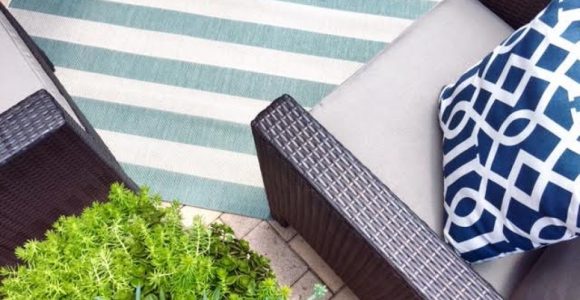




Frontgate outdoor rugs. These days embellishing does not have to be regarding custom-made, it could be regarding where to discover it currently and also exactly how to make it function for you. T...





Retractable awning prices is influenced in various other means, too. On-line assemblers bill delivery costs, however this is more than balanced out by the reality they don't charge sales tax (bes...




bed bath and beyond outdoor rugs (additionally called location rugs) not just include to the appearance of a space, yet likewise develop a setting including form, shade, and structure. Residence ...